In 2025, more and more brands and manufacturers will be turning to eco-friendly plastic alternatives. Which replacement materials are truly suitable for everyday use? Here’s a complete review.
1. PLA (Polylactic Acid) – Plastic from Corn or Sugarcane
Made from plant starch, it can decompose in industrial composting facilities in 3–6 months. Suitable for disposable cups, food packaging, and straws. Disadvantages: Not heat-resistant above 50°C.
2. Bagasse
The residue from sugarcane processing is used to make disposable food boxes, plates, and bowls. Strong, heat-resistant up to 100°C, and can be composted at home within 90 days. Widely used by eco-friendly restaurants in Indonesia.
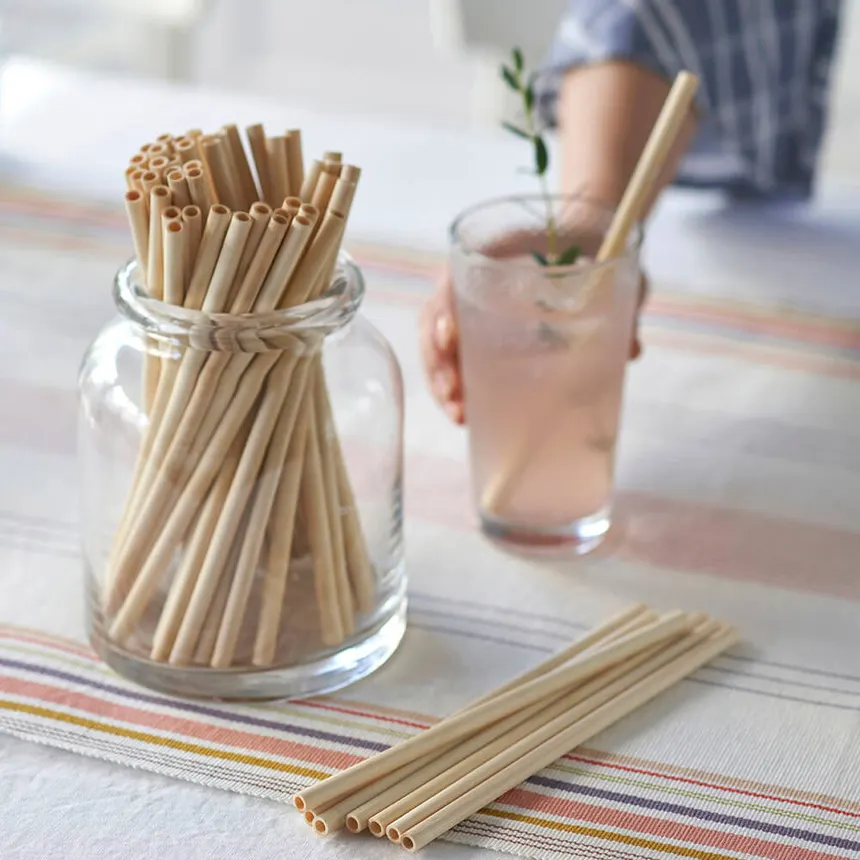
3. Bamboo and Wood
For straws, toothbrushes, cutlery, and furniture. Durable, naturally antibacterial, and 100% biodegradable. Indonesian bamboo products have been exported to Europe and America.
4. Glass and Stainless Steel
The best choice for drinking bottles, food containers, and kitchen utensils. Can be used for years, is easy to clean, and does not contain harmful substances.
5. Natural Fabrics and Fibers
Shopping bags made of canvas, jute, or organic cotton. Beeswax wrap made from cloth and beeswax as an alternative to plastic wrap. Durable and washable many times.
6. PHA (Polyhydroxyalkanoates) – Plastic from Bacteria
A new generation of bioplastic that can decompose in the ocean and soil. Several startups have already begun producing it in Indonesia for cosmetic packaging.

Which is Most Recommended in 2025?
- For single-use: compostable bagasse or PLA
- For long-term use: stainless steel, glass, and bamboo
- For food packaging: a combination of bagasse and natural coating
Local Brands Worth Trying
- Avani Eco (bags and straws made from cassava)
- Bambuhay (bamboo cutlery)
- Zero Waste Indonesia (stainless steel containers and beeswax wrap)
- EcoPack (bagasse packaging for restaurants)
With increasingly stringent single-use plastic regulations (targeting a 30% reduction by 2029), switching to eco-friendly alternatives is no longer an option, but a necessity that benefits both the environment and your wallet.