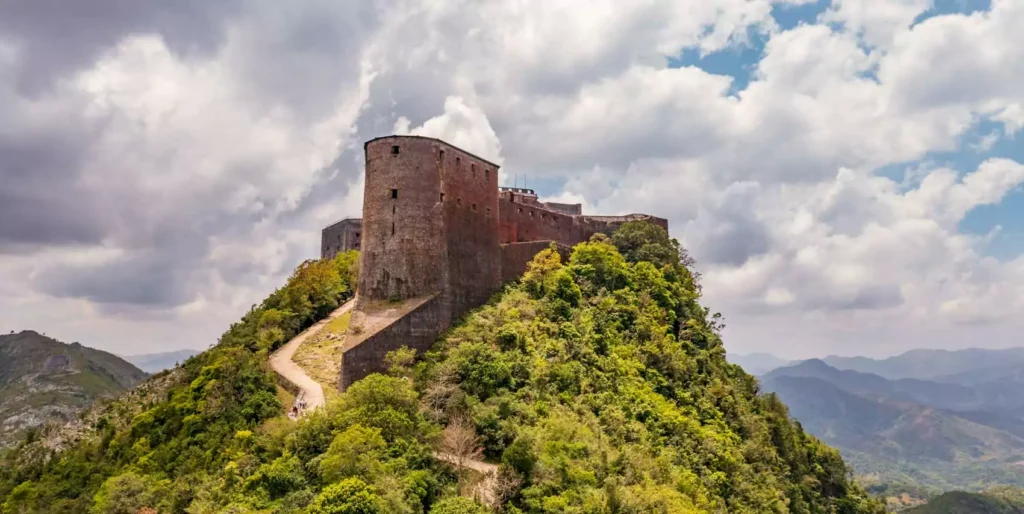
Haiti, the first Black-led republic and the only nation born from a successful slave revolution, holds a profound place in world history. Its story of triumph over colonialism, followed by isolation and hardship, defines resilience. From indigenous Taíno roots to modern struggles, Haiti’s journey inspires and challenges.
Pre-Columbian Era and Spanish Arrival
The Taíno people inhabited Hispaniola for centuries, developing agriculture and societies. Christopher Columbus arrived in 1492, claiming the island for Spain. Enslavement and diseases decimated the Taíno within decades.
Spain focused on the east (Santo Domingo), leaving the west vulnerable.
French Saint-Domingue Richest Colony
France seized the western third in 1697 (Treaty of Ryswick), naming it Saint-Domingue. Sugar and coffee plantations made it the world’s wealthiest colony, powered by over 500,000 enslaved Africans by 1789—outnumbering whites 10:1.
Brutal conditions and the Code Noir governed life, breeding resentment.
The Haitian Revolution: Triumph of the Enslaved
Inspired by the French Revolution, free people of color sought rights, while enslaved Africans revolted. The 1791 Bois Caïman ceremony, led by Dutty Boukman, sparked a massive uprising.
Toussaint Louverture emerged as leader, abolishing slavery in 1793 and conquering the island by 1801. Napoleon’s 1802 invasion captured Louverture (who died in prison), but Jean-Jacques Dessalines continued the fight.
On January 1, 1804, Dessalines declared independence, renaming the nation Haiti after the Taíno word for “mountainous land.”
Early Independence Isolation and Internal Strife
Haiti paid France 150 million francs in 1825 for recognition, crippling its economy. Dessalines’ assassination in 1806 split the country north and south until reunification in 1820 under Jean-Pierre Boyer.
19th-century leaders faced coups and foreign debts. The U.S. occupied Haiti (1915–1934), controlling finances.
20th-Century Dictatorships and Turmoil
François “Papa Doc” Duvalier ruled tyrannically (1957–1971), followed by son Jean-Claude “Baby Doc” until 1986 exile. The 1990 election of Jean-Bertrand Aristide marked democracy, but coups and instability followed.
The 2010 earthquake killed over 200,000, exacerbating poverty.
Contemporary Haiti Crises and Hope
Gang violence, political assassinations (including President Moïse in 2021), and natural disasters challenge progress. Yet, Haiti’s Vodou culture, art, and revolutionary spirit endure.