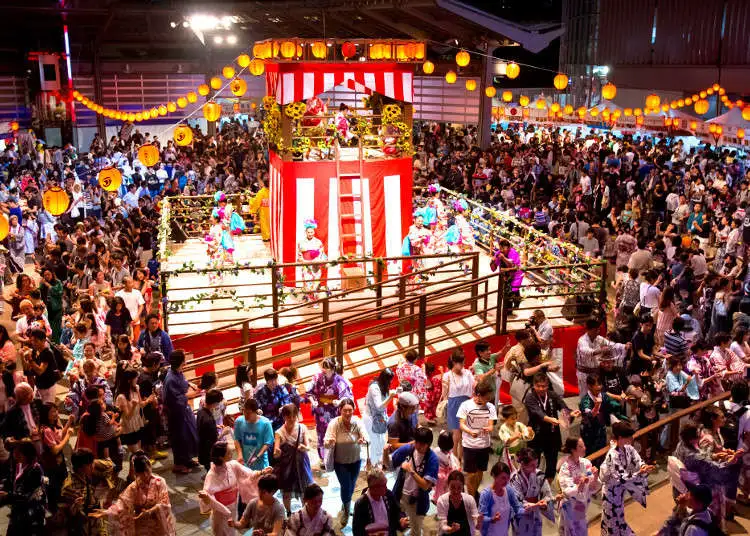
Bon Odori is one of the most cherished cultural traditions in Japan. This lively and meaningful dance is performed during the Obon festival, a time when Japanese people welcome the spirits of their ancestors back to the world of the living. Bon Odori brings communities together through movement, music, and celebration, creating an atmosphere filled with joy and gratitude. Today, it remains an important part of Japanese culture and attracts both locals and international visitors.
The Meaning Behind Bon Odori
Bon Odori is deeply connected to the Obon festival, a centuries old Buddhist tradition. During Obon, families honor their ancestors by preparing offerings, lighting lanterns, and gathering at temples or community halls. The dance itself is a way to express appreciation and respect for past generations. Although it has religious roots, the celebration has grown into a cultural event that blends tradition with entertainment.
The joyful nature of Bon Odori reflects the belief that remembering ancestors should be celebratory rather than sorrowful. Participants dance together to show gratitude for the guidance and protection that ancestors continue to provide.
How Bon Odori Is Performed
The dance movements in Bon Odori are simple, rhythmic, and easy for anyone to learn. Most dances are performed in a circle around a raised platform called a yagura. This central stage is used for musicians and singers who provide the rhythm and melody of traditional Bon songs.
Each region of Japan has its own style of Bon Odori. Some dances mimic daily activities such as fishing or farming, while others tell stories of local legends. The steps may be graceful, energetic, or playful depending on the local tradition. This variety makes Bon Odori a rich and diverse cultural expression.
Music and Costume
Music is a key element of Bon Odori. Traditional drums, flutes, and folk songs create a festive atmosphere. The rhythm of the taiko drum guides the dancers and adds excitement to the performance. The music can range from ancient folk melodies to modern festival songs.
Most participants wear yukata, a lightweight cotton kimono that is perfect for summer. The bright patterns and comfortable design make it ideal for dancing outdoors. Some regions also include hats, fans, or accessories that match the theme of the local dance.
Bon Odori as a Community Celebration
Bon Odori is more than a traditional dance. It is a community gathering that strengthens social bonds. Families, children, elders, and visitors all join the circle without the need for experience. The event encourages unity, friendship, and shared cultural pride.
During the festival, streets and parks are decorated with lanterns that light up the night. Food stalls offer local treats such as takoyaki, yakisoba, and shaved ice. The entire atmosphere feels warm, welcoming, and festive. Many people look forward to Obon every year as a time to reconnect with family and neighbors.
Bon Odori in Modern Japan
While Bon Odori is rooted in tradition, it continues to evolve. Many cities host large events that include contemporary music, creative choreography, and international participants. Schools, companies, and cultural organizations also hold their own Bon Odori as part of summer celebrations.
Outside Japan, Bon Odori festivals are held in many countries with Japanese communities. These events help preserve cultural heritage and introduce Japanese traditions to global audiences.
Why Bon Odori Remains Popular
Bon Odori remains popular because it captures the spirit of Japanese culture in a simple yet meaningful way. It celebrates community, ancestry, and joy through dance and music. The event is inclusive and accessible, making it enjoyable for people of all ages and backgrounds.
Visitors to Japan often seek out Bon Odori festivals to experience authentic Japanese culture. The combination of tradition, music, and community engagement makes it a memorable highlight of the summer season.
Bon Odori is a timeless Japanese tradition that honors ancestors while bringing communities together through joyful dance. Its blend of cultural meaning, rhythmic music, and festive atmosphere continues to attract people across generations. Whether experienced in a small town or a large city, Bon Odori offers a beautiful glimpse into the heart of Japanese tradition and the values that continue to shape the culture today.