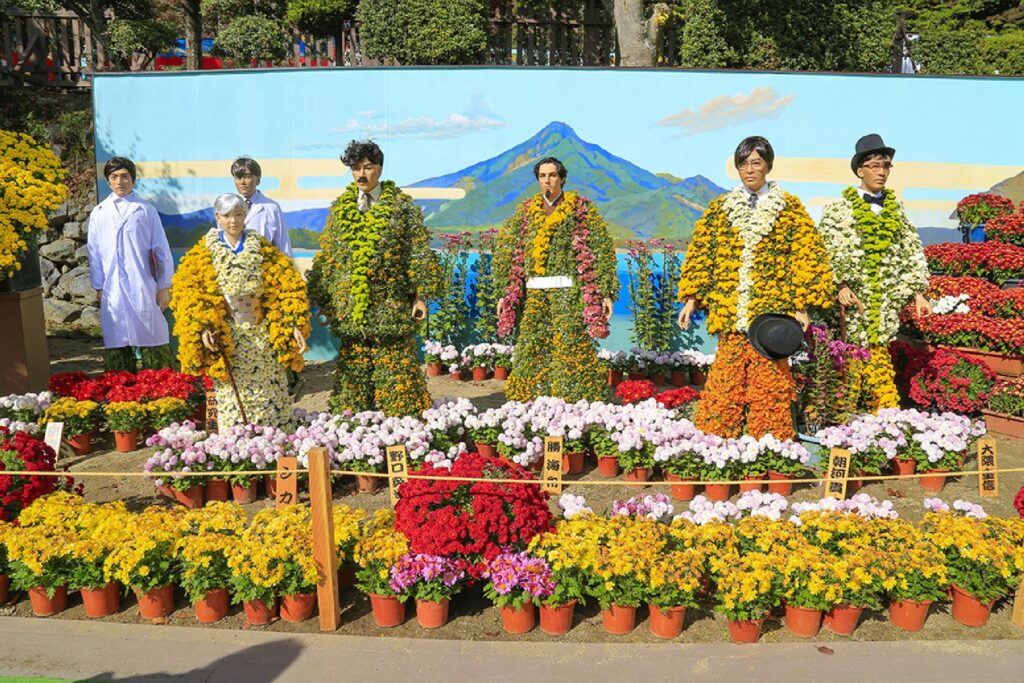
The Chrysanthemum Festival, known in Japan as Kiku Matsuri, is one of the most elegant traditional celebrations that highlight the beauty and cultural pride of the Japanese people. Taking place every autumn in many regions across the country, this festival is dedicated to the chrysanthemum flower, which has long been regarded as a symbol of longevity, nobility, and purity in Japanese history. As one of Japan’s most iconic cultural festivals, Kiku Matsuri attracts both locals and international visitors who want to experience the unique combination of artistry, nature, and spiritual heritage.
The Historical Significance of Kiku in Japan
The chrysanthemum is more than just a flower in Japan. It holds a deeply rooted connection with the imperial family, whose crest features a sixteen petal chrysanthemum. The flower is often seen in temples, shrines, and traditional garments. Its association with the idea of eternal life has made it an important symbol in Japanese culture for centuries.
Kiku Matsuri began as a noble tradition within the imperial court during the Heian Period. Over time, it expanded across the country and became a nationwide celebration. Today, the festival is held in many famous locations, including Tokyo, Nara, and Kanazawa, where master gardeners compete to create the most stunning and intricate chrysanthemum displays.
Stunning Displays and Artistic Creations
One of the highlights of the Chrysanthemum Festival is the wide variety of floral art forms crafted by skilled horticulturists. Visitors can witness enormous dome shaped flowers, cascading arrangements, and meticulously trimmed bonsai chrysanthemums. Some exhibitions even showcase life sized dolls dressed in traditional costumes, all decorated with chrysanthemum petals. These masterpieces take months of preparation, making them a central attraction for photography and tourism.
Each color and shape of chrysanthemum also carries its own meaning. White chrysanthemums symbolize truth and purity, while red chrysanthemums represent love and passion. Yellow chrysanthemums are often associated with the imperial family. These symbolic meanings add depth to the festival’s cultural experience.
Spiritual and Cultural Traditions
Beyond its visual beauty, Kiku Matsuri also has spiritual importance. Many visitors come to offer prayers for long life, good health, and protection from misfortune. The festival is typically held at temples and shrines, creating a serene and sacred atmosphere. Traditional tea ceremonies, poetry readings, and cultural performances are often included as part of the event.
The chrysanthemum is also featured in seasonal cuisine during the festival. Edible chrysanthemum petals are used in salads, soups, and herbal teas. This culinary tradition reflects the Japanese philosophy of appreciating nature in all forms.
A Seasonal Attraction for Tourists
Autumn is one of the best seasons to visit Japan, and Kiku Matsuri enhances the beauty of this time of year. The cool weather and vibrant autumn foliage create a perfect backdrop for the colorful chrysanthemum displays. Many travelers plan their trips specifically to experience this festival as part of a deeper cultural journey.
Major locations such as Shinjuku Gyoen in Tokyo, Meiji Shrine, and Hibiya Park attract thousands of visitors each year. Smaller local festivals can also be found throughout rural Japan, offering a quieter and more intimate experience.
Why Kiku Matsuri Remains Important Today
In a modern world where traditions can easily fade, the Chrysanthemum Festival continues to stand strong as a reflection of Japan’s dedication to harmony, craftsmanship, and cultural preservation. The festival teaches the values of patience, respect for nature, and appreciation for artistic skill. It is a reminder that beauty can be found in both simplicity and detail, and that traditions are worth protecting for future generations.
Kiku Matsuri is more than a flower festival. It is a celebration of Japanese identity, history, and artistry. Visitors who attend this event gain a deeper understanding of Japan’s cultural heritage while enjoying the breathtaking beauty of chrysanthemum creations. Whether you are a traveler, a photographer, or a lover of traditional culture, the Chrysanthemum Festival is a must see experience during the autumn season in Japan.