If you’re searching for a destination that blends stunning natural landscapes, rich indigenous heritage, and vibrant cultural experiences, Bolivia should top your list. As a landlocked country in South America, Bolivia offers everything from the world’s largest salt flats to ancient ruins and bustling markets. This guide covers essential Bolivia facts, history, culture, economy, and top attractions to help you plan your adventure or simply learn more about this fascinating nation.
Geography and Climate of Bolivia
Bolivia is nestled in the heart of South America, bordering Brazil, Paraguay, Argentina, Chile, and Peru. Spanning over 1.1 million square kilometers, it’s one of the continent’s most geographically diverse countries. From the high-altitude Andean mountains to the lush Amazon Basin, Bolivia’s terrain includes the Altiplano plateau, where you’ll find Lake Titicaca—the world’s highest navigable lake at 3,812 meters above sea level.
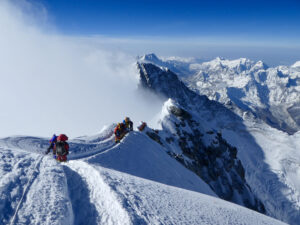
The climate varies dramatically by region. The western highlands experience cool, dry weather, while the eastern lowlands are tropical and humid. Bolivia’s highest peak, Nevado Sajama, reaches 6,542 meters, making it a haven for mountaineers. Whether you’re exploring the arid salt flats or the rainy forests, pack accordingly for Bolivia’s unpredictable weather patterns.
A Brief History of Bolivia
Bolivia’s history is a tapestry of ancient civilizations, colonial struggles, and modern revolutions. The region was home to advanced societies like the Tiwanaku culture, which thrived around Lake Titicaca from 500 to 1000 AD. Later, it became part of the Inca Empire before Spanish colonization in the 16th century.
Independence came in 1825, named after liberator Simón Bolívar, but the country faced territorial losses in wars like the War of the Pacific (1879–1883), which cost Bolivia its coastline. The 1952 Revolution marked a turning point, leading to land reforms and nationalization of mines. Today, Bolivia is a constitutional democracy, though it has navigated political instability in recent decades.
Culture and People of Bolivia
With a population of around 12 million, Bolivia boasts incredible cultural diversity, including over 36 indigenous groups and languages alongside Spanish. The Quechua and Aymara peoples form the majority in the highlands, preserving traditions like colorful festivals and textiles.
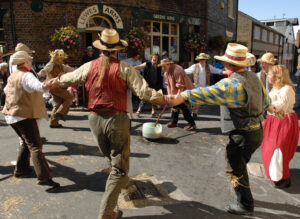
Bolivian culture shines through in its music, dance, and cuisine. Try salteñas (savory pastries) or quinoa-based dishes—Bolivia is the world’s top producer of this superfood. Festivals like Carnaval de Oruro, a UNESCO-recognized event, blend indigenous and Catholic elements with elaborate costumes and parades.
The people are known for their resilience and warmth, making Bolivia a welcoming spot for travelers interested in authentic cultural immersion.
Bolivia’s Economy: Resources and Challenges
Bolivia’s economy relies on natural resources, including mining (silver, zinc, and lithium), agriculture, and natural gas exports. It’s one of South America’s least-developed nations, but recent growth in sectors like textiles and refined metals shows promise.
The Salar de Uyuni holds the world’s largest lithium reserves, positioning Bolivia as a key player in the global shift to electric vehicles. However, challenges like poverty and infrastructure limitations persist, though tourism is emerging as a vital economic driver.

Top Tourism Attractions in Bolivia
Bolivia is a paradise for adventure seekers and nature lovers. Must-visit spots include:
- Salar de Uyuni: The world’s largest salt flat, offering surreal mirror-like reflections during the rainy season.
- La Paz: The highest administrative capital at 3,650 meters, with cable cars and the Witches’ Market.
- Lake Titicaca: Shared with Peru, featuring floating islands and ancient ruins.
- Yungas Road: Known as the “Death Road,” it’s a thrilling bike route through cloud forests.
- Sucre: The constitutional capital, a UNESCO World Heritage site with colonial architecture.
Tourism facilities vary, so plan ahead for Bolivia travel visas may be required depending on your nationality.
Bolivia captivates with its raw beauty and cultural depth. Whether you’re hiking the Andes or exploring indigenous markets, this South American gem promises unforgettable experiences. For more Bolivia facts or travel tips, dive deeper into its wonders and start planning your trip today!