Australia is renowned worldwide for its unique wildlife, much of which is found nowhere else on the planet. From marsupials that hop across vast landscapes to egg-laying mammals that defy conventional biology, the continent’s isolation has led to the evolution of some of the most bizarre and fascinating creatures. If you’re planning a trip Down Under or simply curious about what makes Australian animals so special, this guide dives deep into the unique aspects of Australia’s fauna. We’ll explore iconic species, their habitats, conservation efforts, and tips for ethical wildlife viewing. Keywords like “unique wildlife in Australia” often bring travelers seeking authentic experiences, and understanding these animals enhances any visit.
Australia’s wildlife uniqueness stems from its geographic isolation. Separated from other continents for millions of years, the country developed a distinct ecosystem dominated by marsupials and monotremes. About 83% of mammals, 89% of reptiles, and 93% of frogs in Australia are endemic, meaning they’re exclusive to the region. This biodiversity is a result of the continent’s drift from Gondwana, allowing species to evolve without competition from placental mammals common elsewhere.
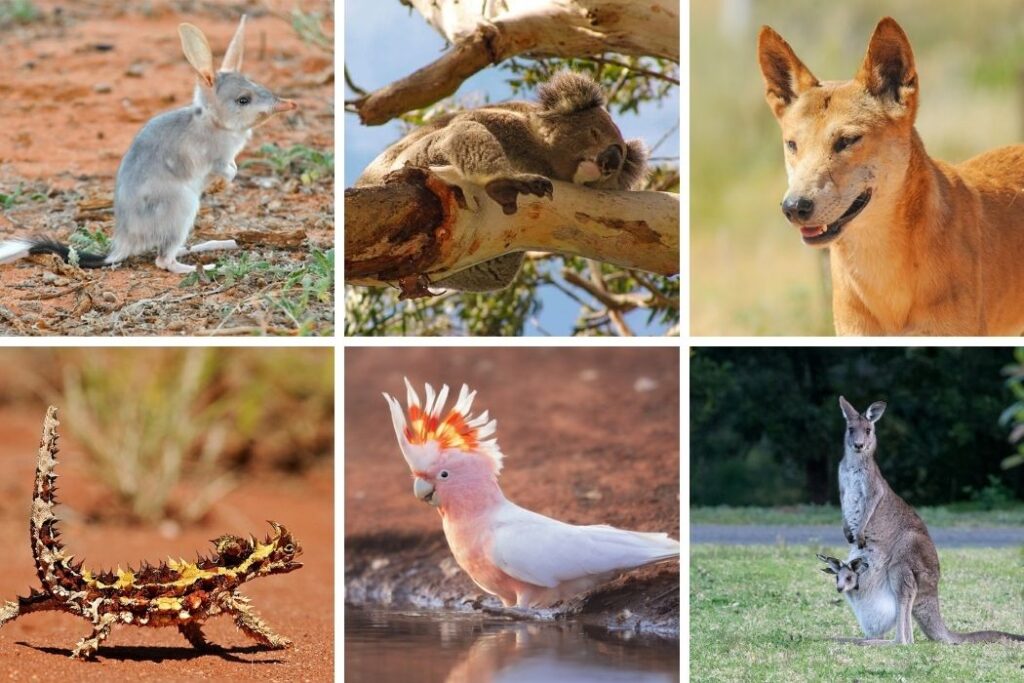
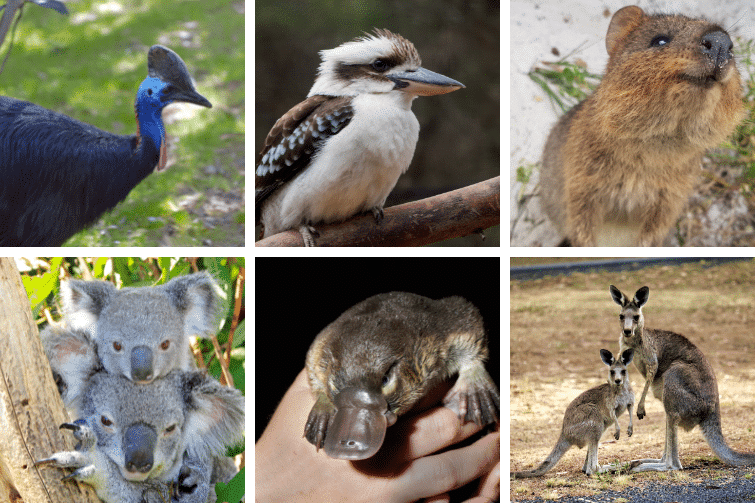
One of the most famous unique animals is the kangaroo. There are over 60 species, but the red kangaroo is the largest marsupial on Earth, standing up to 2 meters tall and weighing 90 kg. Kangaroos are known for their powerful hind legs used for hopping at speeds up to 56 km/h. Females carry joeys in pouches, a quintessential marsupial trait. You can spot them in the wild in places like the Australian Outback or national parks such as Kakadu. For a closer look, visit sanctuaries like the Kangaroo Island Wildlife Park, where ethical interactions are prioritized.
Closely related are wallabies, smaller cousins of kangaroos. The rock wallaby, for instance, navigates steep cliffs with agility, showcasing adaptations to rugged terrains. These animals are often seen in the Flinders Ranges or Tasmania. Another marsupial icon is the koala, often mistakenly called a bear. Koalas spend up to 20 hours a day sleeping in eucalyptus trees, feeding exclusively on their leaves, which provide little energy. Threatened by habitat loss and bushfires, conservation programs like those at the Koala Hospital in Port Macquarie are crucial. Visitors can observe them in the wild in Queensland’s rainforests or Victoria’s Great Ocean Road areas.
Moving to more unusual creatures, the platypus is a monotreme that lays eggs, has a duck-like bill, and venomous spurs on males. This semi-aquatic mammal uses electroreception to hunt underwater. Found in eastern Australia’s streams, the best spotting spots include Eungella National Park in Queensland. Similarly, the echidna, or spiny anteater, is another egg-laying mammal covered in spines for defense. It uses its long tongue to eat ants and termites. Echidnas are widespread but commonly seen in Tasmania or the Australian Alps.
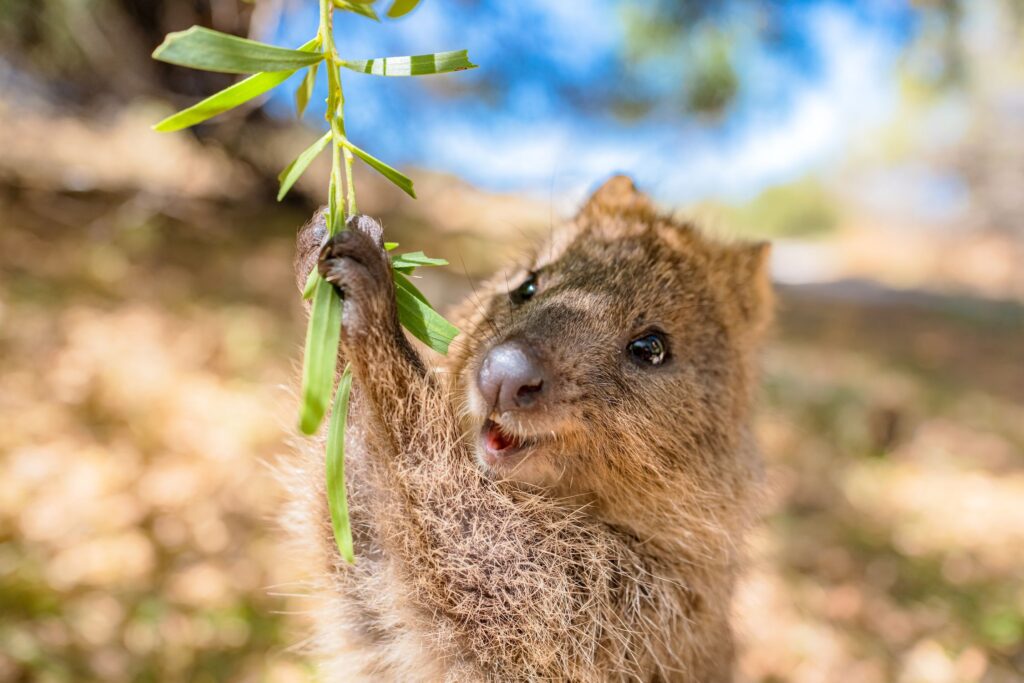
The quokka, dubbed the “happiest animal in the world” due to its smiling face, is a small wallaby-like marsupial native to Rottnest Island off Western Australia. These friendly creatures are vulnerable, so interactions are regulated to prevent harm. Selfies with quokkas have become a viral trend, but always follow guidelines to avoid feeding them.
Australia’s unique wildlife also includes the Tasmanian devil, a carnivorous marsupial known for its powerful jaws and nocturnal habits. Once widespread, it’s now confined to Tasmania due to devil facial tumor disease, a contagious cancer. Conservation breeding programs at places like Devils@Cradle Sanctuary are helping recovery. Wombats, burrowing herbivores with cube-shaped poop, are another oddity. Their feces shape prevents rolling, marking territory effectively. Spot them in the Blue Mountains or Cradle Mountain.
For bird lovers, the cassowary is a flightless giant with a casque helmet and dagger-like claws, capable of lethal kicks. Found in Queensland’s rainforests, it’s vital for seed dispersal. The laughing kookaburra, with its territorial “laugh,” is Australia’s largest kingfisher.
Reptiles add to the uniqueness, like the saltwater crocodile, the world’s largest, growing up to 7 meters. View them safely on cruises in the Northern Territory’s Kakadu National Park. The thorny devil, a lizard that drinks through its skin, survives in arid deserts.
Conservation is key, as threats like climate change, invasive species, and habitat destruction endanger these animals. Organizations like the Australian Wildlife Conservancy manage vast reserves. When visiting, choose eco-tour operators and avoid disturbing habitats.
In summary, Australia’s unique wildlife offers endless wonder, from hopping kangaroos to enigmatic platypuses. Whether you’re hiking in national parks or joining guided tours, these experiences highlight why Australia is a biodiversity hotspot. Plan your adventure today to witness these marvels firsthand.