Extreme Gravity in Outer Space Phenomena That Bend Reality
Gravity in space reaches extremes around black holes, neutron stars, and during cosmic collisions, warping space-time and challenging physics. These phenomena, predicted by Einstein’s general relativity, include gravitational waves, lensing, and time dilation, manifesting in events like black hole mergers and neutron star crashes. Understanding extreme gravity unveils the universe’s most violent processes, from the Big Bang’s echoes to the fate of stars.
This article explores key examples of extreme gravity, optimized for queries like “extreme gravity in space examples.” Backed by recent detections, it covers ripples in space-time, black hole distortions, and more, providing an informative dive into cosmic forces that shape reality.
Gravitational Waves Ripples from Cosmic Cataclysms
Gravitational waves are space-time disturbances caused by accelerating masses, like merging black holes or neutron stars. Traveling at light speed, they stretch and squeeze space. Detected first in 2015 by LIGO, they confirm relativity and reveal invisible events.
Also See : Black Holes and How They Form – Decoding the Universe’s Darkest Secrets
Examples include binary black hole mergers and neutron star collisions, producing waves that carry energy away, shrinking orbits. Supernovae and wobbling neutron stars also generate them.
This illustration depicts waves from a neutron star merger.

ESA Science & Technology – Spacetime curvature
Black Holes: Gravity’s Ultimate Abyss
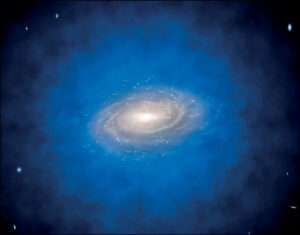
Black holes exemplify extreme gravity, with mass compressed so densely that escape velocity exceeds light speed. Near the event horizon, gravity distorts light paths, creating photon rings and shadows. Supermassive black holes warp galactic structures.
In accretion disks, gas spirals inward, heating to emit X-rays. Recent observations captured light echoes bent around black holes, proving Einstein’s predictions.
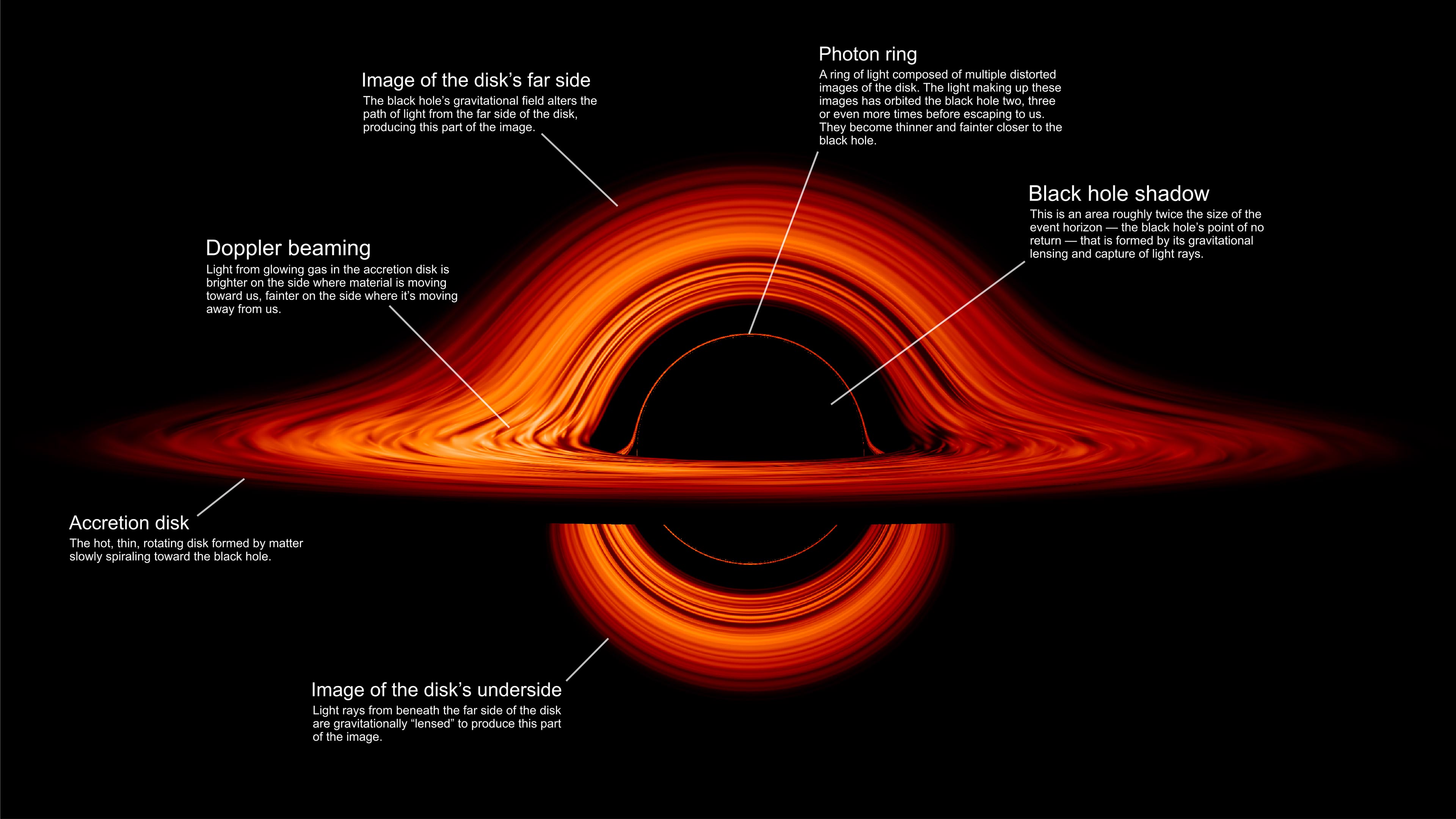
Stunning New Black Hole Visualization From NASA Illustrates How Its Gravity Distorts Our View
Neutron Stars and Magnetars Dense Gravity Powerhouses
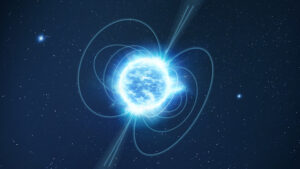
Neutron stars pack Sun-like mass into city-sized spheres, with surface gravity billions times Earth’s. Their mergers produce kilonovae and gravitational waves. Magnetars add extreme magnetic fields, causing starquakes.
Binary neutron stars spiral inward due to wave emission, testing relativity.
Gravitational Lensing and Time Dilation
Extreme gravity bends light, creating multiple images of distant objects via lensing. Supermassive black holes lens quasars.
Time dilation slows time near strong fields; near a black hole, hours pass while years elapse far away.
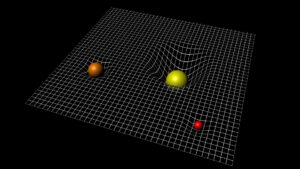
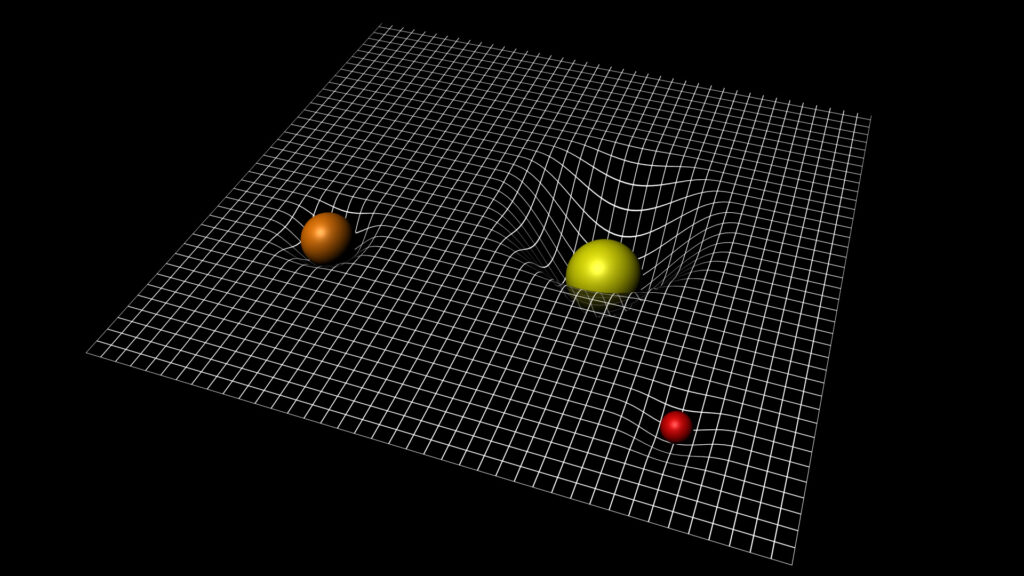
This visualization shows space-time curvature.
ESA Science & Technology – Spacetime curvature
Hypervelocity Stars and Ejections
Gravity slingshots stars to millions of km/h via black hole encounters. These ejections reveal galactic dynamics.
Implications for the Universe and Exploration
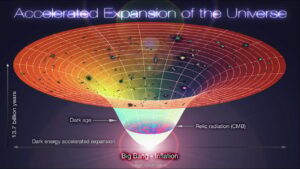
Extreme gravity probes dark matter, energy, and cosmic origins. It affects space travel, with high-gravity worlds crushing structures. Future detectors will uncover more.