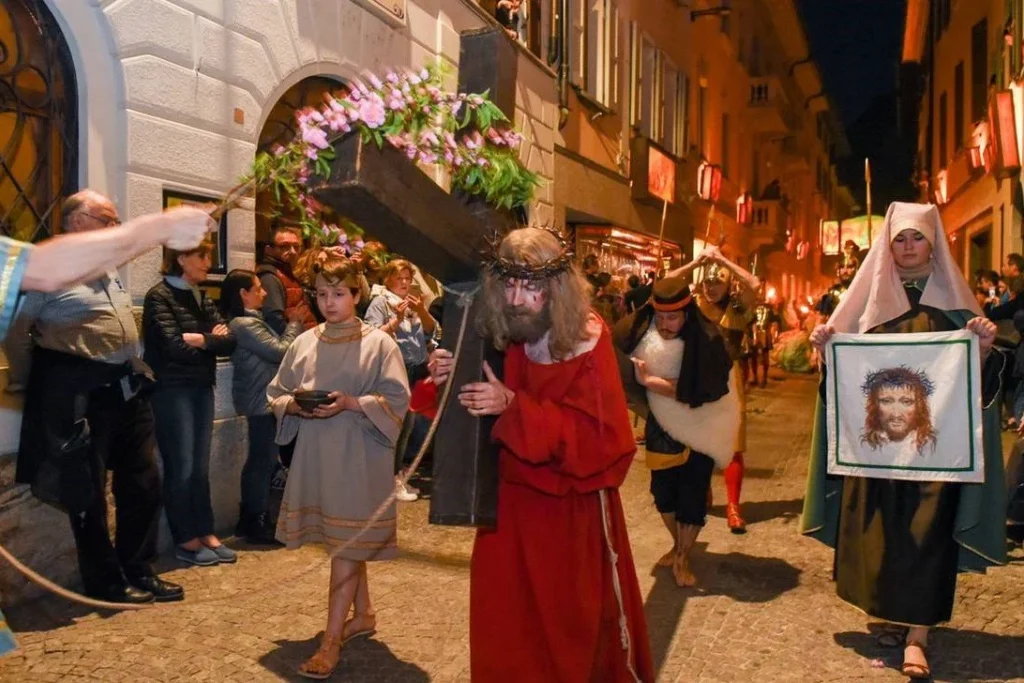
In the charming Ticino town of Mendrisio, Switzerland upholds a profound religious tradition: the Holy Week processions. Recognized by UNESCO as Intangible Cultural Heritage, these solemn events during Easter week draw participants and spectators to reenact the Passion of Christ, blending faith, history, and artistry in a deeply moving spectacle. For cultural travelers and history buffs, this is a poignant glimpse into Swiss-Italian heritage.
Origins of the Mendrisio Processions
Dating back over 350 years to the late 17th century, the processions originated as a way for the local community to express devotion during Holy Week. Influenced by Catholic traditions from neighboring Italy, they have been meticulously preserved, involving generations of families in costume-making and participation. The event transforms Mendrisio’s streets into a living tableau of biblical scenes.
How the Processions Unfold
Held on Maundy Thursday and Good Friday, the town dims its lights, replacing them with translucent illuminated panels (trasparenti) depicting Bible stories. Over 600 costumed figures—portraying Jesus, Mary, Roman soldiers, and apostles—march through cobblestone alleys, carrying crosses, statues, and lanterns. The atmosphere is serene yet intense, with chants, music, and the glow of candles creating an ethereal night-time ambiance.
Cultural Significance and Visitor Tips
These processions symbolize renewal, sacrifice, and community unity, fostering spiritual reflection amid Switzerland’s diverse cultural landscape. Held annually in late March or April, they’re free to attend but draw crowds—arrive early for prime viewing in Mendrisio’s historic center. This tradition offers an authentic, faith-filled experience in Ticino’s mild climate.
A luminous ritual that bridges centuries, perfect for those exploring Switzerland’s spiritual side.