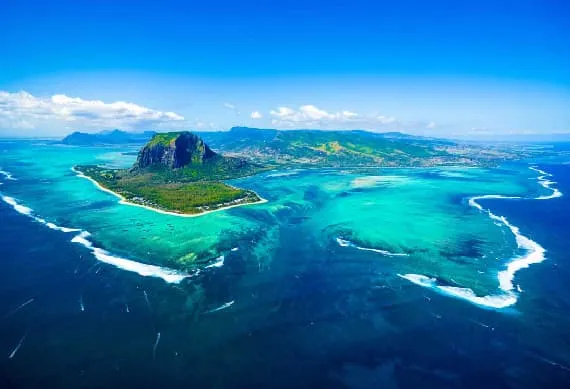
Mauritius, a tropical paradise in the Indian Ocean, is renowned for its stunning beaches, diverse wildlife, and melting-pot culture. This island nation, part of the Mascarene Archipelago, covers just 2,040 square kilometers but boasts a rich tapestry of history influenced by explorers, colonizers, and immigrants. From its volcanic origins to independence and beyond, Mauritius has evolved from an uninhabited gem to a thriving democracy. This comprehensive guide uncovers the layers of Mauritius’ past, packed with fascinating facts for tourists, historians, and cultural explorers. Dive into the story of how this remote island became a symbol of resilience, diversity, and economic success.
Geological Beginnings “Formation and Early Discoveries”
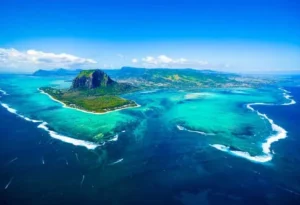
Mauritius emerged from volcanic activity around 8–10 million years ago, part of an undersea plateau. Its rugged terrain, including the iconic Le Morne Brabant mountain, reflects this fiery birth. The island remained uninhabited for millennia, home to unique species like the now-extinct dodo bird, giant tortoises, and ebony forests.
Also See : The History of the Maldives From Ancient Buddhist Kingdoms to a Global Luxury Destination
Arab and Malay sailors may have visited as early as the 10th century, with maps showing an island called “Dina Arobi” or similar. However, official discovery came in the early 16th century. Portuguese explorers, led by Diogo Fernandes Pereira in 1507 or Don Pedro Mascarenhas in 1512, sighted the island, naming the archipelago after Mascarenhas. They used it as a stopover for spice trade routes but did not settle, leaving it marked on maps as “Ilha do Cirne.”
Dutch Colonization “The Naming and Early Settlement (1598-1710)”
The Dutch East India Company claimed Mauritius in 1598, when Admiral Wybrand van Warwijck landed at Grand Port. They named it after Prince Maurice van Nassau, stadtholder of the Dutch Republic. Initial attempts at settlement failed due to cyclones and disease, but in 1638, a permanent colony was established under Governor Cornelius Gooyer.
The Dutch introduced sugarcane from Java, deer, and slaves from Madagascar for labor. Ebony logging boomed, but mismanagement led to environmental degradation, including the dodo’s extinction by 1662 due to hunting and invasive species. Ratak raids and harsh conditions prompted abandonment in 1658, with a brief reoccupation from 1664 to 1710. Ultimately, the Dutch left for the Cape of Good Hope, but their legacy includes the island’s name and early infrastructure like Fort Frederik Hendrik.
French Rule: Prosperity and the Isle de France Era (1715-1810)
In 1715, French captain Guillaume Dufresne d’Arsel claimed the island for France, renaming it Isle de France. Under the French East India Company, it became a vital port for ships en route to India. Governor Mahé de La Bourdonnais (1735–1746) transformed it into a prosperous colony, building Port Louis as the capital, roads, hospitals, and shipyards.
Sugarcane plantations expanded, relying on African and Malagasy slaves, leading to a brutal slave trade. By the late 18th century, the population included French settlers, free people of color, and over 60,000 slaves. The French Revolution brought turmoil, with local assemblies resisting abolitionist decrees. Corsairs like Robert Surcouf used the island as a base against British ships during the Napoleonic Wars. Cultural influences included Creole language development and architectural gems like the Château de Labourdonnais.
British Conquest: Abolition, Indentured Labor, and Modernization (1810-1968)
Amid the Napoleonic Wars, Britain captured Isle de France in 1810 during the Battle of Grand Port, renaming it Mauritius. The Treaty of Paris (1814) confirmed British control, but French laws, language, and customs were retained to appease planters. Slavery was abolished in 1835, freeing over 35,000 slaves, but compensation went to owners, sparking the apprenticeship system until 1839.
To replace slave labor, Britain introduced indentured workers from India starting in 1834. Over 450,000 Indians arrived by 1924, transforming demographics—today, Indo-Mauritians form about 68% of the population. Chinese and Muslim traders followed, enriching the cultural mosaic. The 19th century saw economic booms in sugar, but also challenges like malaria epidemics and cyclones.
World War II positioned Mauritius as a strategic Allied base. Post-war, demands for self-rule grew, led by figures like Seewoosagur Ramgoolam. Universal suffrage in 1959 paved the way for independence on March 12, 1968, with Ramgoolam as prime minister and Queen Elizabeth II as head of state.
Independence and Contemporary Mauritius – From Republic to Economic Tiger
Mauritius became a republic in 1992, shedding monarchical ties while remaining in the Commonwealth. Early independence faced ethnic tensions, including 1968 riots, but strong leadership fostered unity. The economy diversified from sugar to textiles, tourism, and finance, earning the “Mauritius Miracle” label with high human development indices.
The Chagos Archipelago dispute looms large: In the 1960s, Britain detached it to create the British Indian Ocean Territory, expelling 2,000 Chagossians for a U.S. military base on Diego Garcia. International courts have ruled in Mauritius’ favor, but resolution drags on. Recent history includes political stability, with leaders like Anerood Jugnauth and Navin Ramgoolam alternating power.
Environmental efforts combat climate change, protecting coral reefs and reintroducing species. Festivals like Diwali, Eid, and Chinese New Year celebrate multiculturalism.
Why Mauritius’ History Resonates Today
Mauritius’ journey from volcanic isolation to global player exemplifies adaptation. UNESCO sites like Aapravasi Ghat (indentured labor depot) and Le Morne (maroon slave refuge) draw visitors, while Creole cuisine and sega music embody fusion.
In summary, Mauritius’ 500-year documented history is a testament to human ingenuity amid isolation. Whether lounging on its shores or tracing ancestral roots, this island’s past enriches every experience. (Word count: 798)