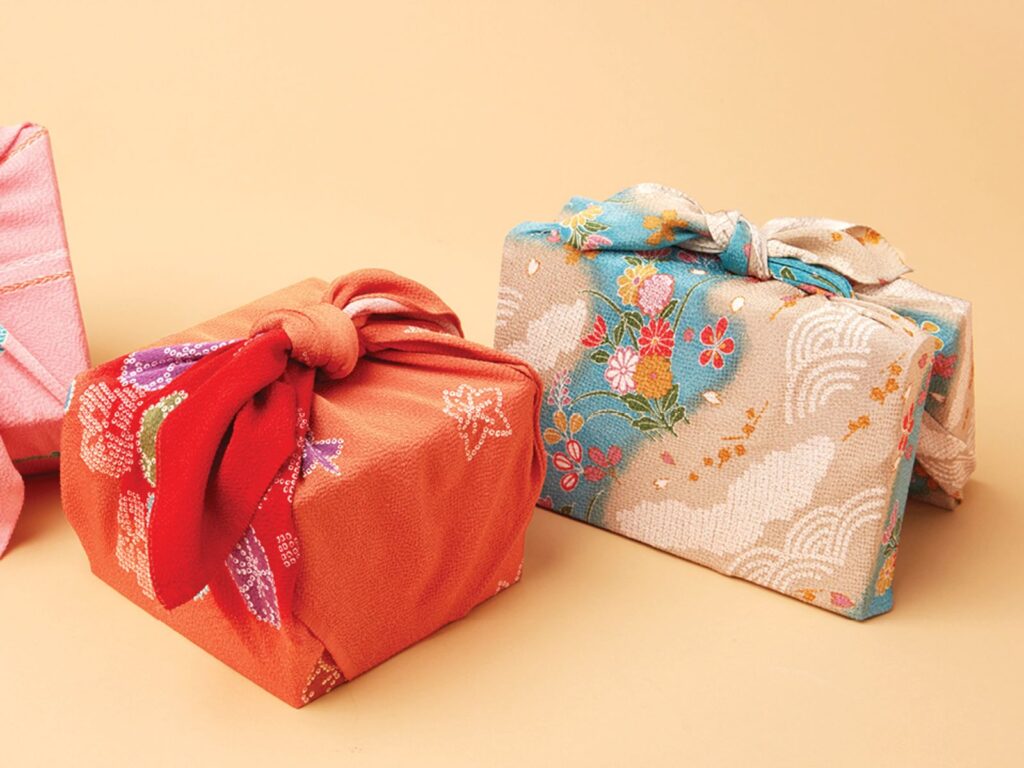
Furoshiki is a traditional Japanese wrapping cloth that has been used for centuries to transport goods, wrap gifts, and carry belongings with grace and versatility. In recent years, furoshiki has gained global attention as an eco friendly alternative to disposable wrapping paper and plastic bags. This simple square piece of cloth reflects Japanese values of practicality, beauty, and environmental respect. Today, furoshiki continues to evolve as a sustainable practice and cultural symbol that connects past traditions with modern awareness.
The origins of furoshiki date back to the Nara period in the eighth century. At that time, it was used primarily to wrap valuables and personal items. During the Edo period, furoshiki became widespread as a functional tool for merchants, travelers, and families. It was used to bundle clothes, lunch boxes, and purchases made at markets. Because of its convenience and reusability, furoshiki became an essential part of everyday life.
Traditional furoshiki are made from various materials, including cotton, silk, hemp, and rayon. Each material has a distinct texture and function. Cotton is durable and easy to clean, making it popular for daily use. Silk is elegant and often reserved for special occasions or ceremonial gifts. Hemp is strong and breathable, ideal for carrying heavier items. Modern furoshiki may also use recycled fabrics, organic cotton, or contemporary textile blends that fit both traditional and modern needs.
One of the main appeals of furoshiki is its versatility. With simple folding and knotting techniques, a single piece of cloth can be transformed into a variety of shapes and functions. A square cloth can become a handbag, a backpack, a decorative gift wrap, or even a picnic mat. Many families keep furoshiki in different sizes and patterns for daily tasks and special events. The ability to adapt one cloth for many purposes demonstrates resourcefulness and creativity.
Furoshiki patterns range from classic traditional designs to modern prints. Traditional motifs often include flowers, waves, cranes, or seasonal elements that reflect the natural world. These designs add cultural depth and meaning to the cloth, especially when used for gifts. Giving a gift wrapped in furoshiki is thought to express respect and thoughtfulness. The recipient can reuse the cloth, extending the value and intention behind the gesture.
In Japan, furoshiki is often associated with formal occasions such as weddings, birthdays, and celebrations. Family heirlooms of furoshiki cloths are passed down through generations as symbols of care and heritage. The act of wrapping itself can become a ritual of respect and connection. Learning the proper folding techniques is considered a skill that shows attentiveness to aesthetics and functionality.
Beyond personal use, furoshiki has gained renewed importance as a solution to environmental challenges. As global awareness of waste and pollution grows, many people are seeking alternatives to single use wrapping and packaging. Furoshiki offers a practical answer by reducing waste and encouraging reuse. Schools, businesses, and environmental groups promote furoshiki workshops to teach sustainable wrapping techniques. These sessions help spread appreciation for traditional Japanese culture while supporting contemporary ecological goals.
Many stores in Japan sell furoshiki cloths as souvenirs. Visitors can choose from an array of colors, sizes, and patterns that reflect regional styles and artistic expression. Tourists often appreciate furoshiki not only as beautiful textiles but also as meaningful reminders of sustainable living.
For beginners, learning furoshiki wrapping techniques is simple and engaging. Basic skills include the button knot wrap for carrying bottles, the backpack wrap for daily items, and the envelope wrap for gifts. Online guides and videos make these techniques accessible to people around the world. Furoshiki wrapping becomes a creative practice that encourages individuals to think differently about how they use everyday materials.
In modern design, furoshiki inspires fashion, home decor, and packaging innovation. Designers incorporate traditional cloth into bags, scarves, and display pieces. The influence of furoshiki extends beyond Japan, inspiring global movements toward eco friendly lifestyles and mindful consumption.
In conclusion, furoshiki is a timeless example of Japanese ingenuity, beauty, and sustainability. Its combination of practical versatility and cultural meaning makes it a powerful model for conscious living. Whether used for wrapping gifts, carrying goods, or reducing waste, furoshiki is a tradition that continues to evolve with the needs of society. As both a cultural treasure and an eco friendly practice, furoshiki offers valuable lessons in resourcefulness, care, and respect for the environment.