Austria, a landlocked country in Central Europe famous for its stunning Austrian Alps, classical music, and imperial legacy, boasts a fascinating history of Austria that spans millennia. From Celtic settlements to the powerful Habsburg Empire, two world wars, and its role as a neutral modern nation, Austria’s past has shaped its identity as a cultural and economic powerhouse.
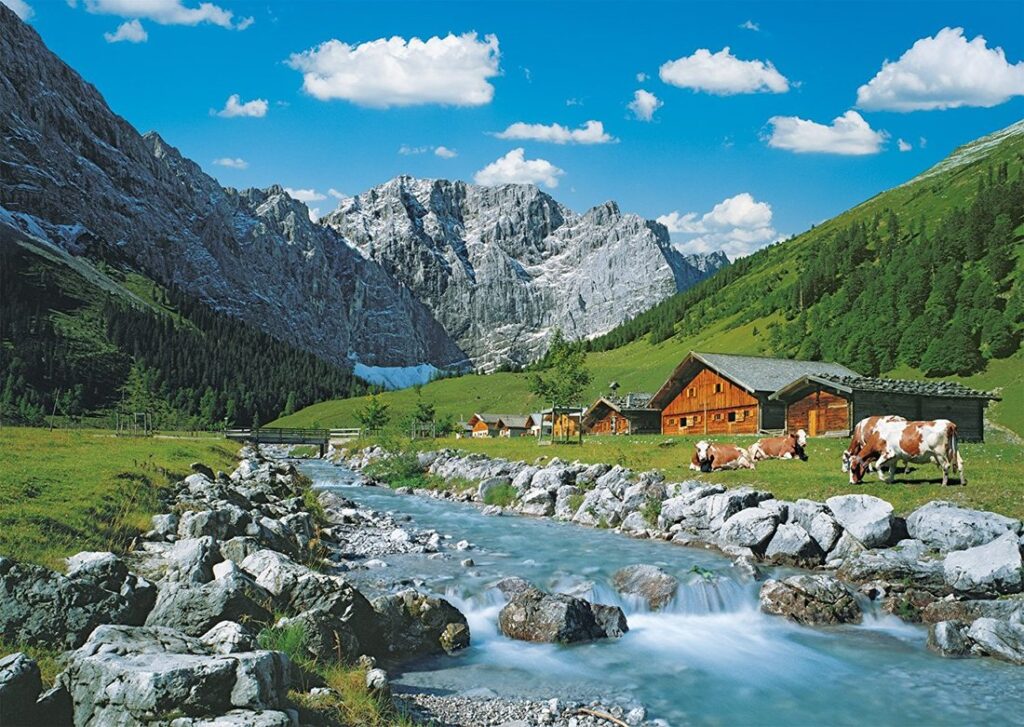
The breathtaking Austrian Alps have influenced the country’s history and tourism:
Ancient and Roman Era
Human settlement in Austria dates back to the Paleolithic era. Celtic tribes established the Kingdom of Noricum around 400 BC, which became a Roman province. The Romans built cities like Vindobona (modern Vienna).
Habsburg Dynasty and Holy Roman Empire (1278–1806)
The history of Austria truly shines under the Habsburgs. In 1278, Rudolf I defeated Ottokar II, beginning centuries of Habsburg rule.
The Habsburg Empire expanded vastly across Europe.
Vienna became a grand imperial capital with Baroque architecture.
Empress Maria Theresa (1740–1780) reformed education and administration.
Austria produced cultural icons like Wolfgang Amadeus Mozart.
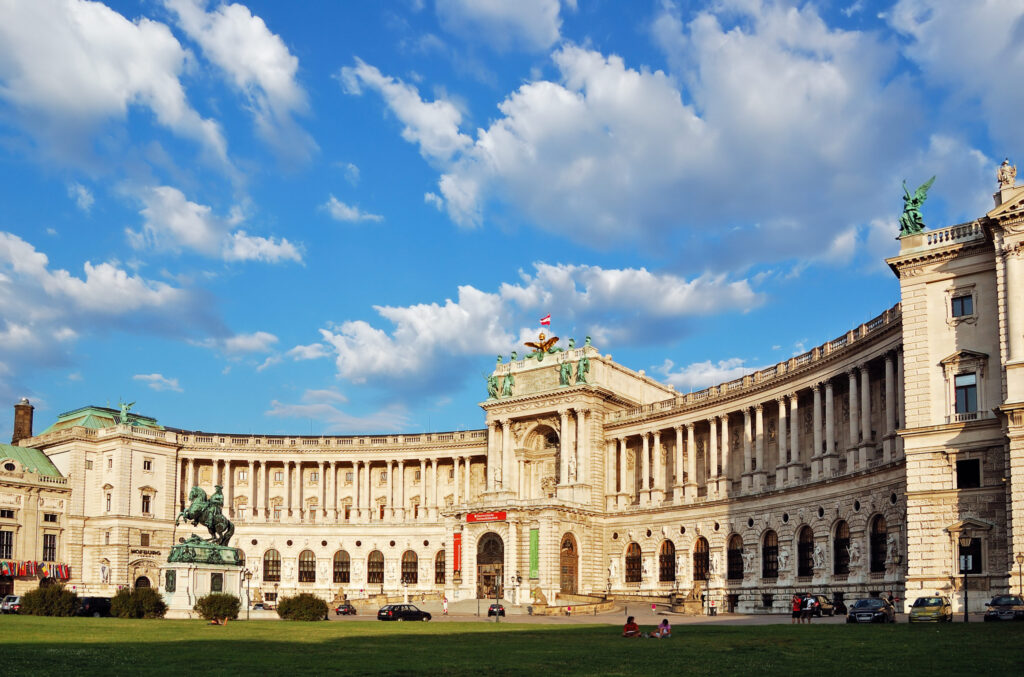
Austrian Empire and Austro-Hungarian Monarchy (1804–1918)
In 1804, Francis II declared the Austrian Empire. After Napoleon’s defeat, the Congress of Vienna (1815) redrew Europe under Austrian influence.
In 1867, the Austro-Hungarian Compromise created the dual monarchy.
World War I and the End of the Empire (1914–1918)
The assassination of Archduke Franz Ferdinand in Sarajevo triggered World War I. Austria-Hungary fought alongside Germany but collapsed in defeat.
The Treaty of Saint-Germain (1919) dissolved the empire, creating the Republic of German-Austria (later Austria).
Interwar Period, Anschluss, and World War II (1918–1945)
The First Republic faced economic turmoil. In 1938, Nazi Germany’s Anschluss annexed Austria, welcomed by many but leading to persecution.
Austria was liberated in 1945 and occupied by Allied forces.
Post-War Era and Neutrality (1945–Present)
In 1955, the Austrian State Treaty restored sovereignty, and Austria declared permanent neutrality.
Today, Austria is a prosperous federal republic, EU member since 1995, with Vienna as a global city.
Key Milestones in Austria’s History Timeline
| Period | Key Event | Significance |
|---|---|---|
| 1278 | Habsburg victory at Marchfeld | Start of Habsburg dominance |
| 1683 | Siege of Vienna lifted | Halted Ottoman advance in Europe |
| 1740–1780 | Reign of Maria Theresa | Major reforms and Enlightenment influence |
| 1804 | Proclamation of Austrian Empire | Response to Napoleonic threats |
| 1914–1918 | World War I | End of Habsburg monarchy |
| 1938 | Anschluss with Nazi Germany | Loss of independence |
| 1955 | State Treaty and neutrality | Birth of modern Second Republic |
| 1995 | Joined European Union | Integration into modern Europe |
The history of Austria reflects a journey from imperial glory to resilient neutrality, enriched by music, art, and alpine beauty. Vienna’s palaces and Salzburg’s festivals continue to draw millions, celebrating a legacy of innovation and culture.