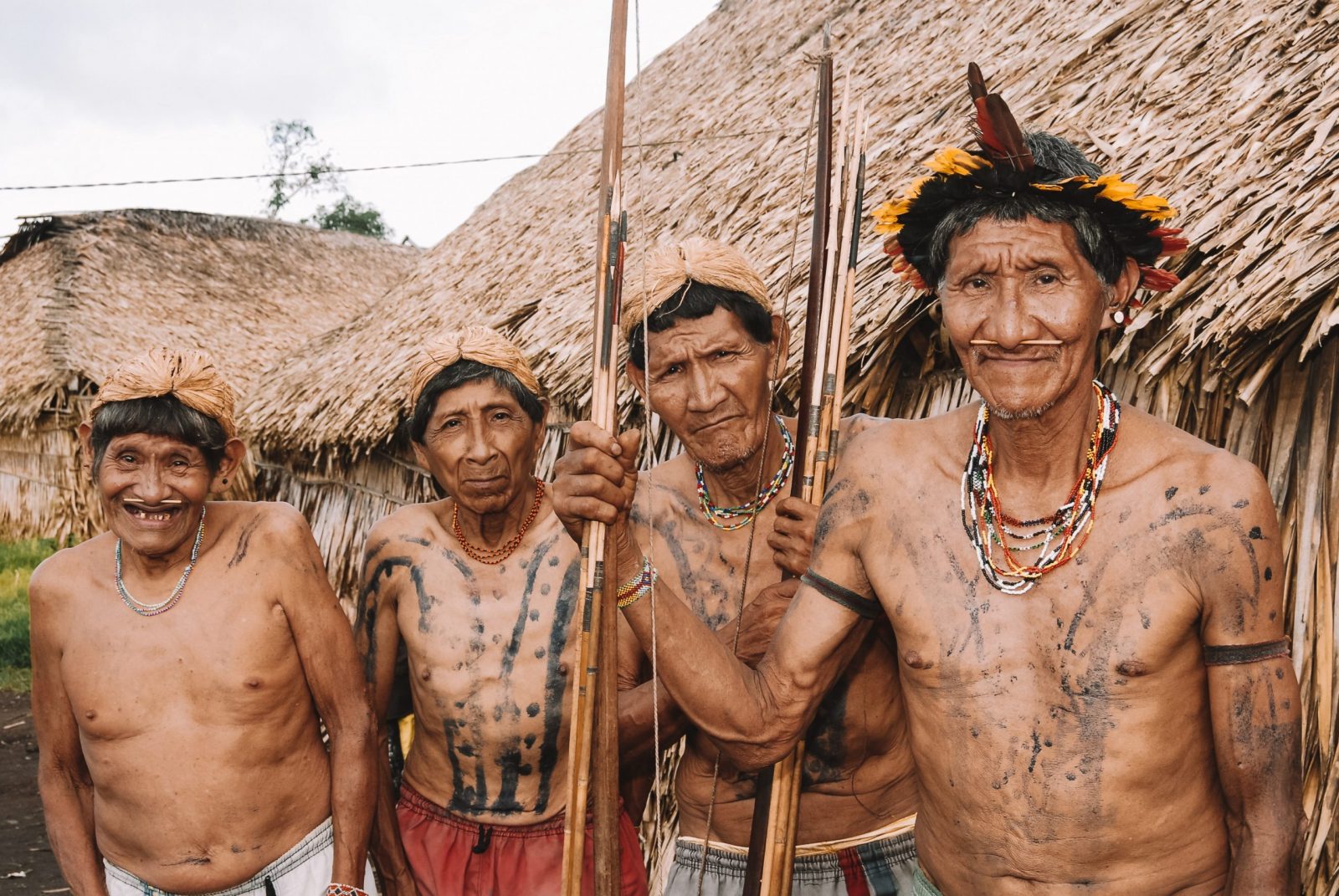
Before European arrival, Brazil was inhabited by millions of indigenous people belonging to diverse groups such as the Tupi, Guarani, and Arawak. These societies lived from hunting, fishing, agriculture, and trade, with strong cultural traditions and deep connections to nature.
Portuguese Discovery and Colonization
In 1500, Portuguese explorer Pedro Alvares Cabral landed on the Brazilian coast, claiming the land for Portugal. Brazil soon became a major colony, primarily focused on sugar production using enslaved African labor.
The Era of Slavery and Economic Expansion
Between the 16th and 19th centuries, Brazil received more enslaved Africans than any other country. Gold and diamond discoveries in the 18th century expanded the economy and increased Portuguese control.
Path to Independence
In 1822, Dom Pedro I declared Brazil’s independence from Portugal. Unlike other Latin American nations, Brazil became a constitutional monarchy rather than a republic.
Empire to Republic
Brazil remained an empire until 1889, when a military coup established the republic. Slavery was officially abolished in 1888, marking a major social transformation.
Modern Political Development
The 20th century saw periods of democracy, dictatorship, and economic reform. Brazil transitioned to a stable democracy in the late 1980s.
Brazil’s history reflects cultural diversity, resilience, and transformation from colony to global power.