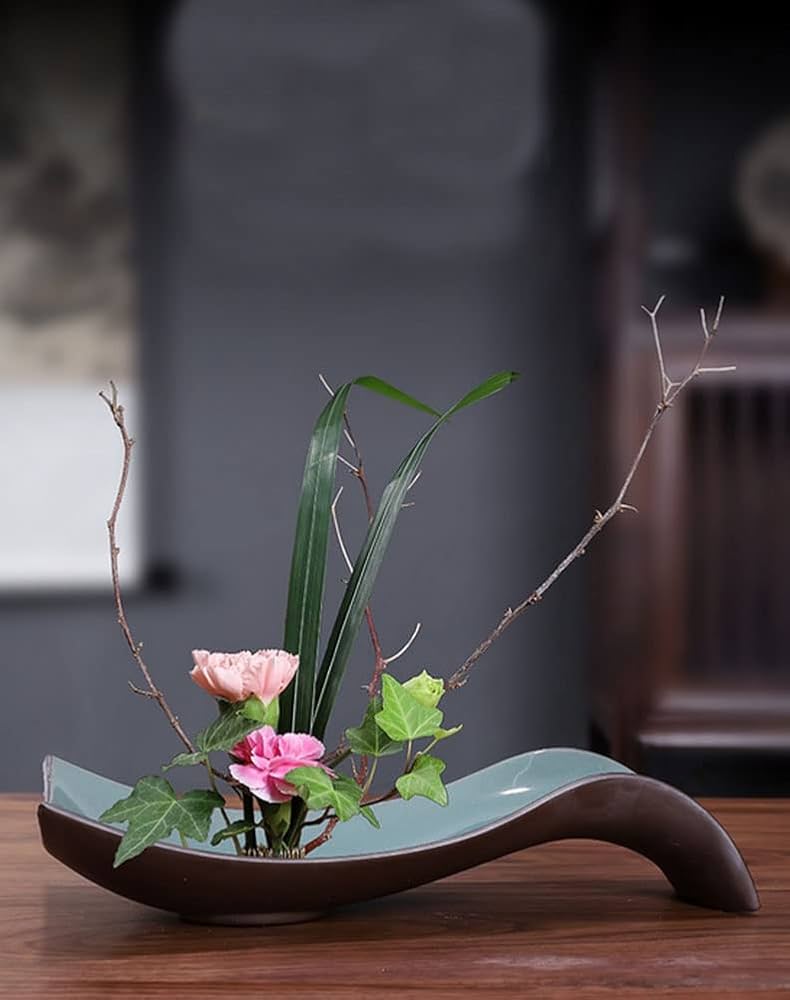
Ikebana is the traditional Japanese art of flower arrangement that emphasizes beauty, balance, and harmony. Unlike typical flower decorations that focus on filling space with colorful blossoms, Ikebana is guided by a philosophy that finds meaning in simplicity and the natural shapes of plants. The practice dates back more than six centuries and continues to be one of the most respected cultural arts in Japan. Today, Ikebana appeals to artists, designers, and anyone seeking a peaceful and meditative creative practice.
The origins of Ikebana can be traced to Buddhist rituals in the sixth century. Flowers were offered to temples as a sign of respect, and over time, monks began arranging them with greater purpose. This evolved into an artistic practice known as Tatehana, which later developed into Ikebana. During the Muromachi Period, Ikebana became popular among the samurai and aristocratic families. Schools were established to teach various styles, many of which are still active today.
Unlike Western floral design, Ikebana is built on a strong foundation of symbolism and structure. Its arrangements are designed to reflect the beauty of nature rather than hide imperfections. Every angle, line, and space is intentional. Practitioners study the inner character of each plant, choosing branches, leaves, and flowers that express a specific emotional or seasonal message.
A classic Ikebana arrangement uses three main lines that represent heaven, earth, and humanity. These lines are created using stems or branches of varying lengths. Their relationship forms the skeleton of the arrangement. This triangular structure symbolizes the interconnectedness of life and positions humans as the bridge between spiritual and physical existence. Even today, many Ikebana styles continue to follow this principle.
Ikebana also teaches the concept of ma, which is the appreciation of empty space. In this art, what is not filled is just as meaningful as what is included. The empty spaces between branches create rhythm, contrast, and movement. This approach brings a sense of calm that is often described as meditative. Practitioners learn to slow down, observe nature carefully, and find beauty in simplicity.
Seasonal awareness plays a major role in Ikebana. Spring arrangements may feature cherry blossoms or budding branches that represent renewal. Summer designs often use tall grasses that suggest movement under warm winds. Autumn displays may include maple leaves and dried elements, symbolizing change and maturity. Winter arrangements highlight resilience through pine, bamboo, and plum branches. These cycles reflect the Japanese belief in the transient nature of life.
Modern Ikebana has evolved beyond the classical styles. Contemporary artists experiment with new materials, including metal, glass, and even recycled objects. These creative approaches have made Ikebana popular in interior design, galleries, and global art exhibitions. Despite the innovation, the core philosophy of harmony with nature remains unchanged.
Ikebana schools continue to teach students of all ages. Some of the most famous include the Ikenobo School, Sogetsu School, and Ohara School. Each school has its own techniques and creative interpretations. The Ikenobo School emphasizes classical structure and tradition. The Sogetsu School encourages freedom and experimentation. The Ohara School focuses on landscape style arrangements that recreate the feeling of natural scenes.
Practicing Ikebana provides many benefits. It reduces stress, improves concentration, and fosters appreciation for natural beauty. Students often describe the experience as therapeutic. The slow and intentional movements of arranging stems help quiet the mind while nurturing creativity.
In daily life, Ikebana can enhance interior spaces. A single arrangement placed in an entryway or living room can create a calm atmosphere and elevate the aesthetics of the home. By observing how light falls on the branches or how shadows form behind leaves, practitioners connect more deeply with their surroundings.
For travelers interested in Japanese culture, Ikebana workshops are available in major cities such as Kyoto, Tokyo, and Osaka. These hands on sessions allow visitors to experience the philosophy behind each movement. They learn to appreciate silence, simplicity, and the natural elegance of plants.
In conclusion, Ikebana is more than an art form. It is a philosophy that encourages harmony with nature and mindful living. It teaches that true beauty lies not only in flowers but also in the spaces around them. As one of Japan’s most treasured cultural arts, Ikebana continues to inspire people across the world to find balance, patience, and meaning through the language of nature.