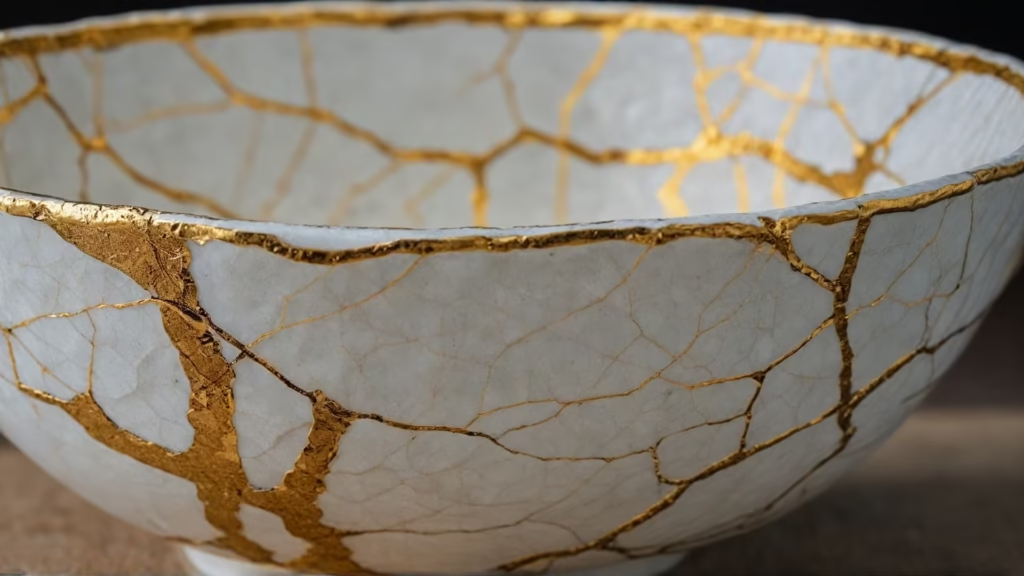
Kintsugi is one of the most meaningful and visually stunning traditional arts in Japan. This technique involves repairing broken ceramics using lacquer mixed with powdered gold, silver, or platinum. Instead of hiding cracks, Kintsugi highlights them, turning damage into a beautiful part of the object’s history. The philosophy behind Kintsugi represents resilience, acceptance, and the belief that flaws can make something even more valuable.
The Meaning Behind Kintsugi
Kintsugi is more than a method of repair. It is a philosophy that embraces imperfection. When a ceramic piece breaks, Kintsugi artists carefully join the fragments and fill the cracks with golden lacquer. The visible seams celebrate the journey of the object rather than disguising its past. This approach teaches that beauty can be found in mistakes, change, and transformation.
The idea aligns closely with the Japanese concept of wabi sabi, which values simplicity and the natural passage of time. Through Kintsugi, an object that once seemed ruined becomes a unique piece of art with its own story.
A Brief History of Kintsugi
Kintsugi dates back to the fifteenth century during the era of the shogun Ashikaga Yoshimasa. According to history, he sent a damaged tea bowl to China for repair. When it returned, the bowl was fixed with unattractive metal staples, which inspired Japanese craftsmen to develop a more refined method. From this innovation, Kintsugi was born.
Over time, Kintsugi became popular among tea masters who valued the repaired pieces for their distinct beauty. Many of these historic bowls are still preserved in museums and temples, showing the lasting importance of this craft.
Techniques Used in Kintsugi
Kintsugi involves several traditional techniques that require patience, precision, and artistic skill.
Crack Method
Small cracks are filled with lacquer and then decorated with gold powder.
Piece Method
Broken fragments are carefully joined together, leaving golden seams along the lines.
Replace Method
When a piece is missing, artists create a new fragment entirely from gold lacquer to fill the gap.
Each technique reflects the Kintsugi philosophy that every break has a form of beauty waiting to be revealed.
Materials Used in Kintsugi
Authentic Kintsugi uses traditional materials that have been passed down through generations.
Urushi Lacquer
A natural resin used as glue to reattach broken pieces.
Gold Powder
Pure gold that creates the distinctive shimmering lines seen in Kintsugi art.
Ceramic Fragments
Pieces of pottery that are carefully cleaned and prepared before restoration.
Because the process is slow and requires attention to detail, Kintsugi pieces are often treasured as unique works of art.
The Symbolic Message of Kintsugi
Kintsugi teaches that brokenness is not the end but a starting point for renewal. This message has made the art form popular worldwide, especially in fields like mindfulness, psychology, and self development. Many people see Kintsugi as a metaphor for healing, resilience, and self acceptance.
The repaired object becomes stronger and more beautiful than before. Instead of erasing damage, Kintsugi transforms it into a source of strength.
Kintsugi in Modern Culture
Today, Kintsugi inspires artists, designers, and craft enthusiasts around the world. Modern variations include jewelry, home decor, digital art, and fashion that incorporate gold inspired lines. Workshops and online classes have also made it accessible for beginners who want to learn the basics.
Even outside traditional ceramics, the philosophy of Kintsugi influences creative expression in photography, writing, and interior design. The unique visual appeal of golden cracks has become a global symbol of beauty in imperfection.
Why Kintsugi Remains Relevant
Kintsugi continues to be admired because it carries a powerful message for modern life. In a world that often values perfection, Kintsugi reminds us that flaws and challenges can lead to new forms of beauty and strength. Whether used in art, personal growth, or design, the concept remains inspiring and timeless.
Kintsugi is a remarkable Japanese art form that transforms broken ceramics into treasured masterpieces. Its combination of delicate craftsmanship, historical significance, and meaningful philosophy makes it one of Japan’s most respected traditions. By turning cracks into golden pathways, Kintsugi shows that imperfections do not diminish value but can enhance it in extraordinary ways.