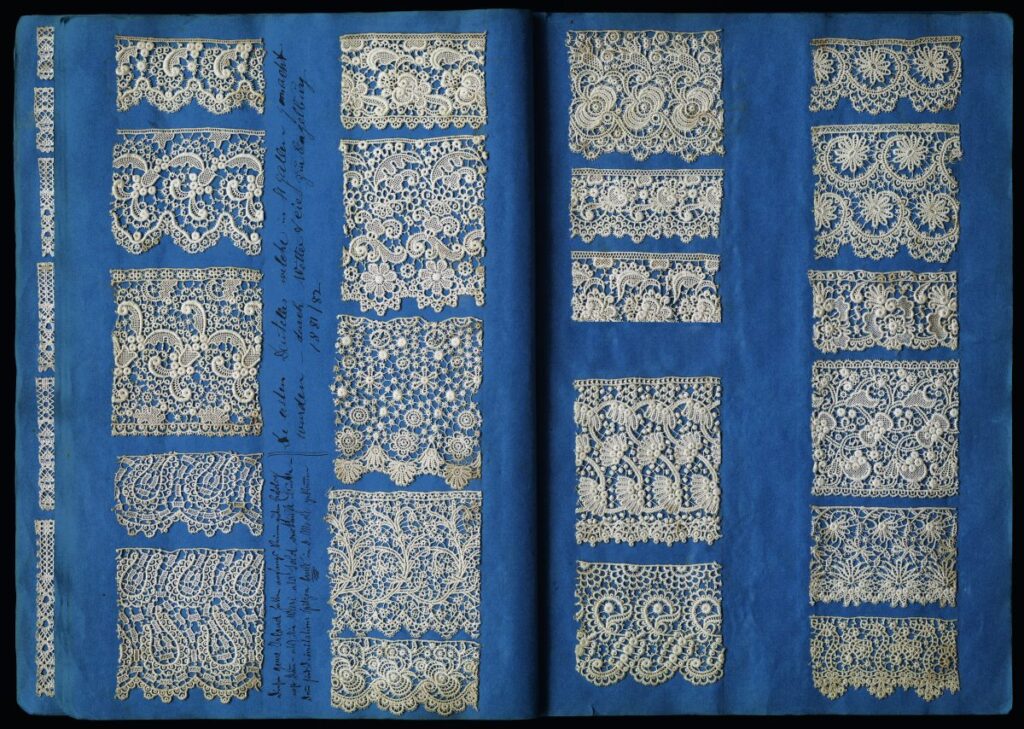
Switzerland’s northeastern canton of St. Gallen is synonymous with textile innovation, particularly its world-renowned embroidery and lace making. This exquisite craft, blending hand and machine techniques, produces intricate fabrics that grace high fashion, home decor, and cultural artifacts. From delicate floral patterns to elaborate motifs inspired by local folklore, St. Gallen embroidery represents centuries of skill and creativity. For those passionate about fashion, history, or artisanal crafts, exploring this tradition uncovers the luxurious, detailed world of Swiss textiles. In this comprehensive overview, we’ll delve into its historical evolution, craftsmanship details, regional influences, modern applications, and ways to engage with it today.
The Rich Historical Evolution of St. Gallen Embroidery
The roots of St. Gallen embroidery trace back to the 8th century with monastic linen work at the Abbey of St. Gall, but it flourished in the 15th century as a cottage industry. By the 18th century, hand-embroidery dominated, with women creating fine pieces for export. The game-changer came in 1828 with Josua Heilmann’s invention of the hand-embroidery machine (Schiffli), revolutionizing production and making St. Gallen the “Lace Capital of the World.” During the 19th and early 20th centuries, it supplied lace to European royalty and American markets, surviving economic shifts through innovation. Today, the UNESCO-listed Textile Museum in St. Gallen chronicles this journey, displaying artifacts from medieval tapestries to modern couture.
Intricate Techniques and Design Elements
St. Gallen embroidery employs a variety of methods: hand-stitching for bespoke pieces using needles and threads to create raised effects, and Schiffli machines for larger-scale production, capable of 1,000 stitches per minute. Fabrics like cotton, silk, or organza serve as bases, with designs featuring openwork (holes for lightness), appliqué (layered fabrics), and guipure (bridged motifs). Common patterns include Swiss crosses, edelweiss flowers, alpine scenes, and abstract geometrics, often in white or pastel shades for elegance. Chemical lace, a specialty, uses embroidered patterns on dissolvable backings to create freestanding designs. Artisans train for years, blending precision with artistic flair to ensure durability and beauty.
Regional Influences and Variations
St. Gallen’s location near Austria and Germany infuses its embroidery with Central European motifs, while Italian influences add fluidity. Variations include “Appenzell-style” with bolder colors from nearby regions, contrasting St. Gallen’s refined whites. The craft adapted to trends: Victorian-era floral excesses gave way to Art Deco geometrics, and post-WWII minimalism. Locally, it’s integral to traditional costumes (Trachten) worn at festivals, with embroidered blouses and aprons symbolizing marital status or wealth. Globally, it influenced lace traditions in places like Ireland and Belgium through exported techniques.
Modern Applications and Global Impact
In contemporary times, St. Gallen embroidery graces runways for designers like Chanel and Valentino, who incorporate it into gowns and accessories. It’s also used in interior design for curtains, tablecloths, and upholstery, and even in technical textiles like medical fabrics. Sustainability efforts focus on organic threads and eco-friendly dyes, while digital design software enhances patterns. The industry supports thousands of jobs, with exports valued in millions, reinforcing Switzerland’s reputation for quality. Collaborations with artists keep it fresh, like limited-edition scarves blending embroidery with modern prints.
Experiencing and Supporting the Tradition
To immerse yourself, visit St. Gallen’s Textile Museum for interactive exhibits or the annual OLMA fair showcasing embroidered goods. Join workshops at local ateliers to try basic stitching, or shop at boutiques in the old town for authentic pieces—look for the “Swiss Lace” label for genuineness. For deeper dives, tour factories like Forster Rohner, where machines hum with history. Supporting this tradition means appreciating its role in cultural preservation and economic vitality.