Switzerland’s biggest and most colorful carnival is Basel Fasnacht, a UNESCO-recognized tradition that transforms the city of Basel into a magical world of satire, music, and disguise every year. Known as the “three most beautiful days” of the year, this event kicks off right after Lent and draws visitors from around the world with its unique blend of chaos and precision.
Origins and Unique Characteristics of Basel Fasnacht
Dating back to the 16th century, Basel Fasnacht stands apart from other carnivals with its strict rules, artistic floats, and eerie masks. It begins at 4:01 a.m. on the Monday after Ash Wednesday with the dramatic “Morgestraich,” where all lights go out and masked drummers and pipers march through dark streets lit only by lanterns.
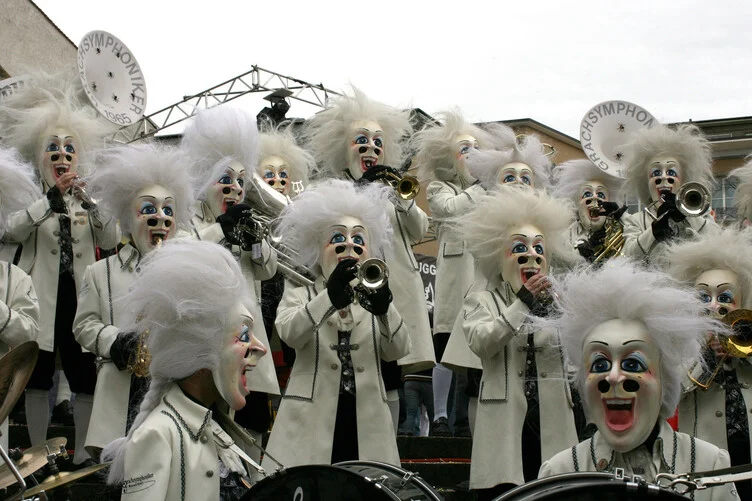
The Highlights Costumes, Lanterns, and Guggen Music
Participants wear elaborate, handcrafted masks and costumes, often satirical or grotesque, while carrying massive illuminated lanterns depicting topical themes. Brass bands called “Guggenmusik” play lively, rhythmic tunes. The event features daytime parades, evening concerts, and confetti battles, creating an atmosphere of joyful rebellion and creativity.
Why Basel Fasnacht Captivates the World
More than just a party, Fasnacht is a living expression of Basel’s identity—combining artistry, community involvement, and subtle social commentary. It’s a rare tradition where locals and visitors alike immerse themselves in three intense days of celebration. If you’re in Switzerland in late February or early March, experiencing Basel Fasnacht offers an unforgettable cultural immersion.
This extraordinary carnival showcases Switzerland’s flair for organized festivity and artistic expression like no other event.