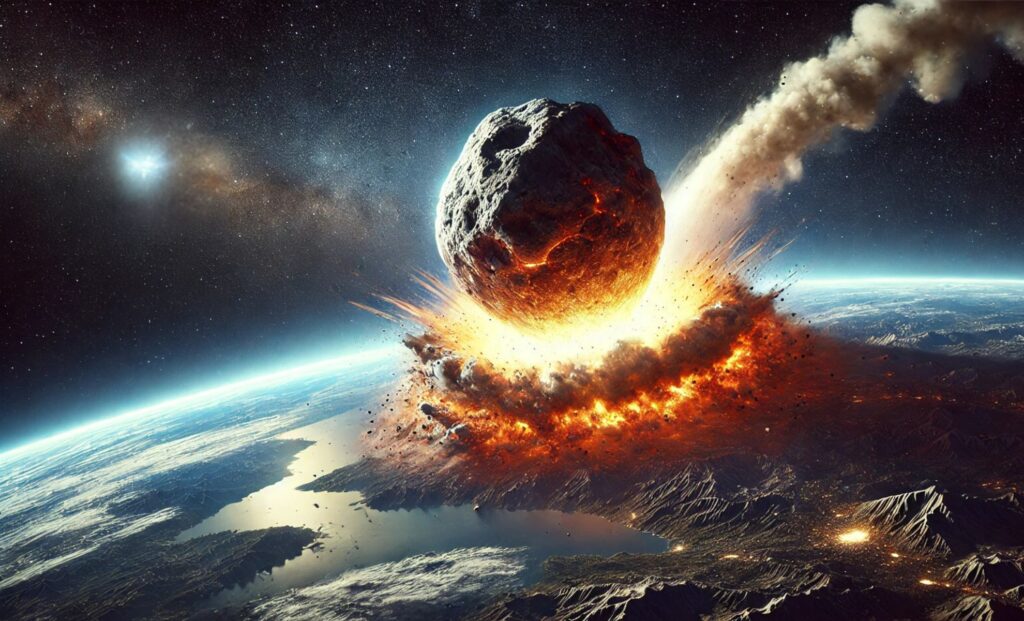
Meteors have fascinated humanity for centuries. When space rocks enter Earth’s atmosphere and survive impact, they provide valuable insight into the origins of the solar system. Some meteor impacts have even changed the course of life on Earth.
What Is a Meteor
A meteor is a space rock that enters Earth’s atmosphere. If it reaches the ground, it is called a meteorite. These objects vary in size, composition, and impact power.
The Chicxulub Impact
One of the most famous meteor impacts occurred around 66 million years ago in present day Mexico. The Chicxulub meteor is believed to have caused the extinction of dinosaurs, drastically altering Earth’s ecosystem.
The Tunguska Event
In 1908, a massive explosion occurred over Siberia, flattening millions of trees. Known as the Tunguska event, it was likely caused by a meteor exploding in the atmosphere before reaching the ground.
Chelyabinsk Meteor
In 2013, a meteor exploded over Chelyabinsk, Russia. The shockwave shattered windows and injured hundreds of people, highlighting the potential danger of near Earth objects.
Meteorites Found Around the World
Meteorites have been discovered in deserts, Antarctica, and remote regions. Scientists study these samples to learn about planetary formation and cosmic chemistry.
Scientific Importance of Meteor Impacts
Meteorites provide clues about the early solar system. Some contain organic compounds, raising questions about the origins of life on Earth.
Modern Monitoring and Space Defense
Today, space agencies monitor near Earth objects using advanced telescopes and satellites. Early detection systems aim to prevent catastrophic impacts in the future.
Meteor impacts remind us that Earth is part of a dynamic universe. Studying these events helps scientists protect the planet and understand our cosmic history.