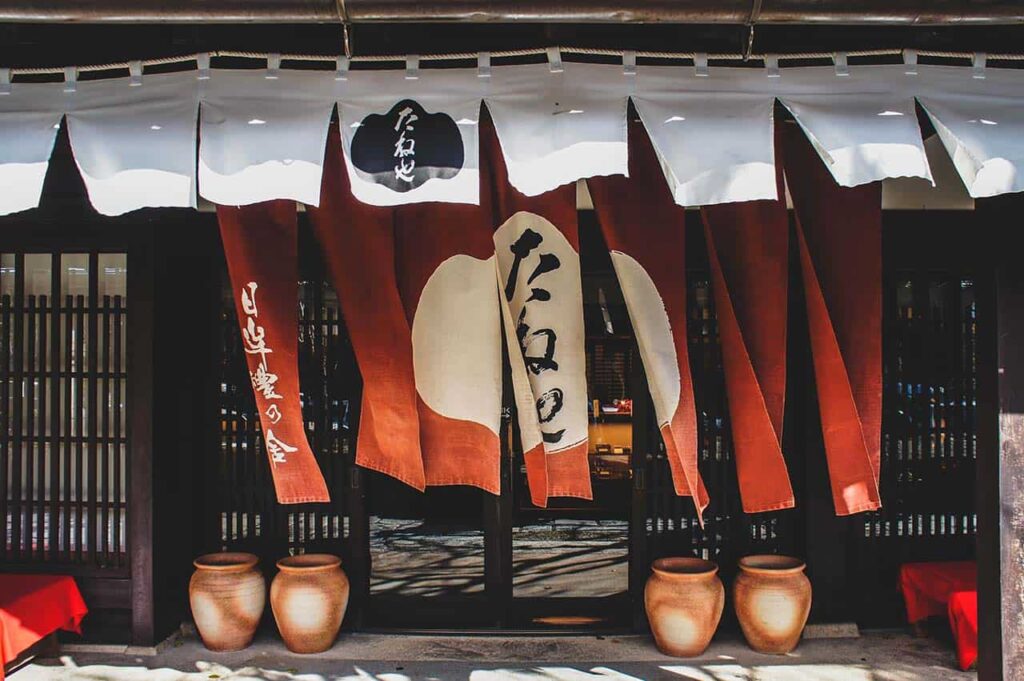
Noren are traditional Japanese fabric curtains that hang in doorways of shops, restaurants, and homes throughout Japan. These simple pieces of cloth may appear ordinary at first glance, but they are deeply rooted in Japanese culture and history. Noren serve both practical and symbolic purposes. They provide shade, block wind and dust, indicate business status, and express identity or aesthetic values. Today, noren remain a popular cultural feature that connects modern life with Japan’s historical heritage and artistic expression.
The history of noren dates back several centuries. Early examples were used in private homes and merchants shop fronts to separate spaces and protect interiors from the elements. Over time, artisans began decorating noren with symbols, patterns, and calligraphy that represented family crests, shop logos, or auspicious motifs. During the Edo period, noren became more widespread. They were used by merchants and traders to signal their trade or product. A shop that sold soy sauce might display a noren with a large soy sauce barrel motif while a bathhouse would hang a curtain with the character for “hot water.”
Unlike Western style curtains that cover entire windows or archways, noren are usually divided into vertical panels called tanzaku. These panels allow people to walk through easily while preserving privacy. They can be short curtains that cover only the upper half of the entrance or long curtains that reach closer to the ground. Each choice reflects the function and atmosphere of the space.
The materials used for noren vary widely, from cotton and linen to silk and hemp. Natural dyes and hand painting techniques are common in traditional designs. Artisans often use indigo dye for deep blue tones, which is a classic color in Japanese textiles. Modern noren may also incorporate synthetic dyes and contemporary patterns, but the traditional methods continue to be appreciated for their craftsmanship and authenticity.
One of the main functions of noren is to indicate whether a business is open or closed. In many parts of Japan, a shop will hang its noren at the entrance when it is open for customers and take it down when it closes. This practice serves as a visual cue that is easy to understand, especially in local neighborhoods where the tradition is well known. In restaurants, noren often have the name of the establishment or menu items printed on them, adding a personal and welcoming touch.
Noren also play a role in seasonal expression. During summer months, lighter and shorter noren help keep interiors cool by allowing airflow. In winter, heavier noren provide warmth and protect spaces from cold drafts. Some shops change designs with each season, displaying cherry blossoms in spring and maple leaves in autumn. This attention to seasonal elements reflects the Japanese appreciation for nature and the changing environment.
Beyond commercial use, noren are visible in traditional baths called sento and onsen. In these locations, noren serve as simple markers for gender separated entrances. Blue noren often indicate the men’s section while red noren mark the women’s entrance. This uncomplicated visual language helps visitors navigate public baths easily.
In modern interior design, noren have become fashionable decorative elements. Many homes and cafes incorporate noren to create artistic room dividers, soften doorways, or enhance aesthetic appeal. Designers may use custom prints that reflect personal tastes, family names, or humorous motifs. This contemporary use demonstrates the adaptability of noren in both traditional and modern contexts.
For travelers to Japan, noren provide a memorable visual impression of daily life. Walking down streets lined with shops, each shop’s noren tells a story of its trade, history, or artistic style. Visitors often enjoy photographing noren as distinctive elements of Japanese architecture and culture.
Understanding the symbolism of noren enhances the travel experience. These curtains are not just decorative fabrics. They represent a culture that values identity, subtle communication, and respect for tradition. Noren connect people to places and stories that are woven into the fabric of daily life in Japan.
In conclusion, noren are more than simple curtains. They are cultural artifacts that reflect Japanese history, artistry, and practical wisdom. Whether seen outside a historic tea house, a modern boutique, or a cozy restaurant, noren continue to be an integral part of Japanese visual and cultural identity. Their presence reminds people of the beauty in everyday objects and the layers of meaning found in tradition.