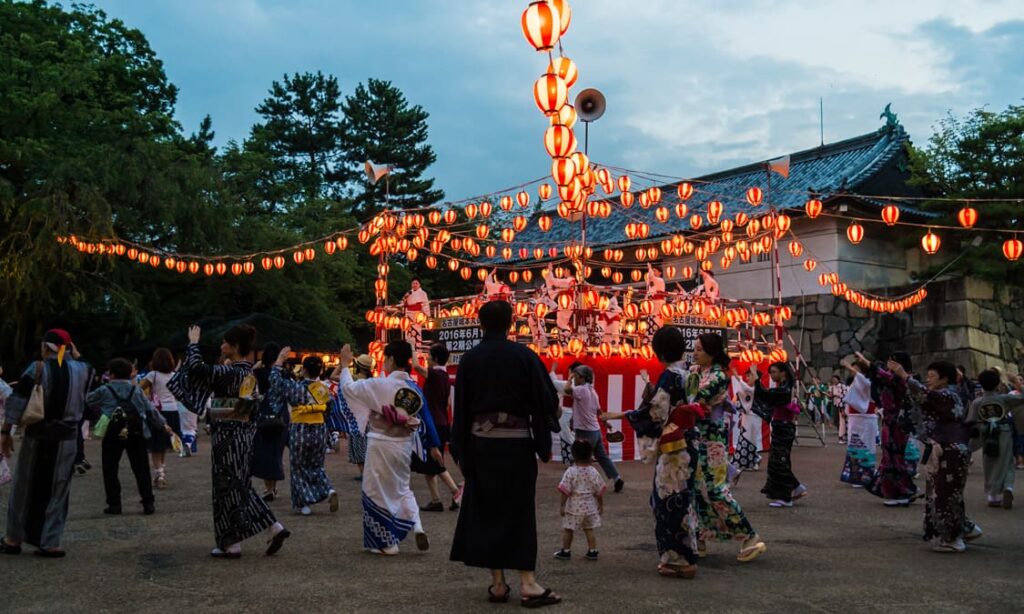
Omatsuri refers to the traditional local festivals celebrated across Japan throughout the year. These festivals are deeply rooted in Shinto beliefs and community traditions, making them an important part of cultural life in every region. Each Omatsuri has its own origin, rituals, and atmosphere, yet all share the same purpose which is to honor deities, strengthen community bonds, and celebrate the cycles of nature. With their colorful decorations, powerful drum performances, and lively street parades, Omatsuri continues to attract both residents and international travelers who want to experience the true spirit of Japan.
The Cultural Meaning Behind Omatsuri
Most Omatsuri are connected with Shinto shrines and involve ceremonies that express gratitude for blessings such as harvests, prosperity, and protection. These festivals have been practiced for centuries and still remain central in Japanese society. Omatsuri is more than entertainment. It is a spiritual tradition that reflects the harmony between people and nature.
Many festivals involve carrying a mikoshi, which is a portable shrine believed to house the protective spirit of the local deity. Participants lift and shake the mikoshi while chanting loudly, creating an energetic atmosphere that symbolizes the movement of divine power through the community. These rituals help preserve a unique cultural identity that has endured for generations.
Vibrant Parades and Traditional Performances
The most exciting part of Omatsuri is the parade. Streets are filled with dancers, taiko drummers, and performers dressed in colorful traditional costumes. Each region has its own style. Some festivals feature acrobatic stunts, while others showcase elegant dances that have been passed down for hundreds of years.
Lantern displays are also an important element of many Omatsuri. At night, the streets glow with hundreds of warm lights, creating a magical scene that makes these festivals unforgettable for visitors. Food stalls line the roads offering traditional snacks such as yakisoba, takoyaki, and taiyaki, giving festival goers a taste of authentic Japanese street food culture.
Famous Omatsuri Across Japan
Japan hosts thousands of Omatsuri every year, and some of the most famous ones attract millions of people. The Gion Matsuri in Kyoto is known for its massive wooden floats decorated with stunning artwork. The Nebuta Matsuri in Aomori is famous for its illuminated warrior shaped lanterns. The Tenjin Matsuri in Osaka features exciting boat parades and impressive fireworks. Smaller local festivals can be found in nearly every region, offering a more intimate and traditional experience.
Each festival highlights the local culture of its area. Some celebrate historical legends, while others honor nature such as summer water festivals or winter snow festivals. This variety makes Omatsuri a year round attraction for travelers.
Community Spirit and Cultural Preservation
One of the strongest aspects of Omatsuri is its ability to bring people together. Entire neighborhoods join in preparation, from building decorations to rehearsing performances. Elders guide the younger generation, ensuring that traditions are preserved and continued. Through this cooperation, Omatsuri strengthens community unity and keeps cultural heritage alive.
Omatsuri also plays an important role in tourism. Cities and rural towns alike welcome visitors who want to experience traditional Japanese culture. This helps support local businesses and encourages cultural exchange between Japan and the world.
Why Omatsuri Remains Important Today
Despite modern lifestyles, Omatsuri continues to thrive because it represents the values that Japanese society holds dear. It celebrates gratitude, unity, respect for nature, and pride in local history. These festivals offer a break from everyday routines and create meaningful moments shared across generations.
Omatsuri is more than a festival. It is the rhythm of Japanese culture, shaped by history, spirituality, and community togetherness. Whether you are watching a lantern parade, listening to taiko drums, or enjoying festival food under the night sky, you can feel the deep cultural heartbeat that defines Japan. For travelers seeking authentic experiences, Omatsuri is one of the most unforgettable ways to connect with the traditions and spirit of the Japanese people.