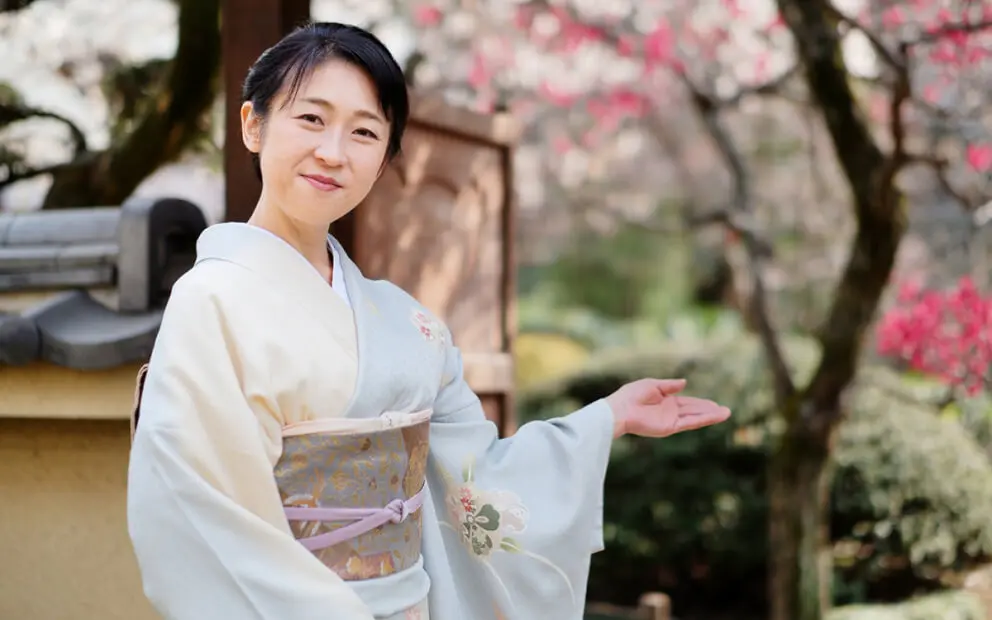
Omotenashi is the Japanese concept of hospitality that goes beyond polite service. It represents a deep cultural philosophy rooted in sincerity, anticipation, and respect for others. Unlike transactional customer service, omotenashi emphasizes genuine care without expecting anything in return. This unique approach to hospitality is practiced across Japan in homes, restaurants, hotels, shops, and even daily social interactions. Omotenashi reflects the Japanese belief that true hospitality comes from the heart.
The origins of omotenashi can be traced back to traditional tea ceremony culture. In the tea ceremony, the host carefully prepares every detail of the experience, from the selection of utensils to the arrangement of the room. Each gesture is designed to make the guest feel comfortable and respected. The host anticipates the needs of the guest before they are expressed. This mindset later expanded beyond the tea room and became a guiding principle in Japanese society.
At the core of omotenashi is anticipation. Service providers observe subtle cues such as body language, tone of voice, and context to understand what someone might need. In a restaurant, staff may refill a glass before it is empty. In a hotel, employees may remember a guest’s preferences from previous visits. These actions are not scripted but arise naturally from attentiveness and empathy.
Another key element of omotenashi is humility. Those who practice it do not seek praise or recognition. The focus is entirely on the comfort and satisfaction of others. This humility stems from cultural values that emphasize harmony and collective well being. By prioritizing others, individuals contribute to a peaceful and respectful social environment.
Omotenashi also involves attention to detail. Small gestures carry great meaning. A neatly wrapped product, a handwritten note, or a warm greeting can leave a lasting impression. These details demonstrate care and professionalism. In Japanese retail culture, for example, cash is often returned with both hands and a slight bow, signaling respect and gratitude.
In the hospitality industry, omotenashi is especially visible. Traditional inns known as ryokan exemplify this philosophy. Guests are welcomed with seasonal sweets and tea. Rooms are prepared with fresh tatami mats, carefully arranged futons, and subtle floral decorations. Meals are served at the perfect time and temperature. Every aspect of the stay is designed to create comfort and serenity.
Transportation services in Japan also reflect omotenashi. Train stations are known for their cleanliness, clear signage, and punctuality. Staff assist passengers patiently and efficiently. Lost items are often returned intact, reflecting honesty and responsibility. These everyday experiences reinforce the sense of trust and care within society.
Omotenashi extends into business culture as well. Meetings are carefully organized, refreshments are offered, and guests are treated with courtesy regardless of status. Business gifts are presented with thoughtfulness, often reflecting seasonal themes or local specialties. The act of giving is accompanied by modesty, as the giver downplays the value of the gift to show humility.
Education plays a role in nurturing omotenashi values. Children are taught from an early age to clean their classrooms, serve lunch to classmates, and respect shared spaces. These practices instill responsibility, cooperation, and empathy. By learning to care for others, children grow into adults who naturally practice omotenashi.
In modern society, omotenashi has gained global recognition. During international events and tourism campaigns, Japan highlights this concept as a cultural strength. Visitors often comment on the kindness, efficiency, and attentiveness they experience while traveling in Japan. These impressions contribute to Japan’s reputation as a welcoming destination.
While omotenashi is deeply rooted in tradition, it continues to evolve. In today’s fast paced world, technology is integrated with hospitality. Automated services coexist with human warmth. Even in digital platforms, Japanese companies strive to provide clear information, thoughtful design, and responsive support that reflect omotenashi principles.
Practicing omotenashi offers benefits beyond service quality. It fosters trust, strengthens relationships, and enhances emotional well being. For individuals, it encourages mindfulness and empathy. For businesses, it builds loyalty and long term success. Omotenashi demonstrates that genuine care can be a powerful foundation for human connection.
In conclusion, omotenashi is more than a service style. It is a way of thinking that values sincerity, anticipation, and respect. Through small yet meaningful actions, it creates experiences that feel personal and memorable. As a cornerstone of Japanese culture, omotenashi continues to inspire people around the world to practice hospitality with heart and intention.