Jamaica, the third-largest island in the Caribbean, pulses with a history of indigenous roots, colonial exploitation, resistance, and triumphant independence. Famous for reggae music, Bob Marley, pristine beaches, and resilient spirit, Jamaica’s story reflects waves of migration, struggle against slavery, and cultural fusion that define its modern identity.
Indigenous Beginnings The Taíno Era
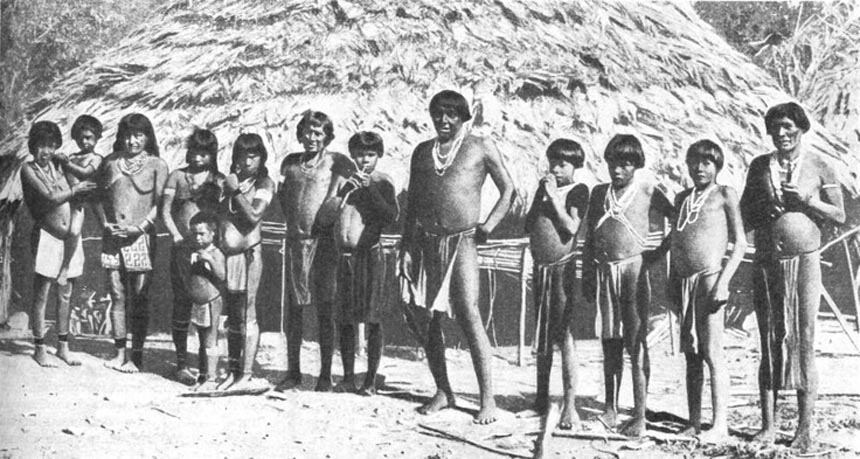
Jamaica’s first inhabitants, the Taíno (Arawak-speaking people), arrived around 600–800 CE from South America. Naming the island “Xaymaca” (land of wood and water), they developed agricultural societies growing cassava, maize, and sweet potatoes, living in villages led by caciques. Their peaceful culture produced pottery, hammocks, and spiritual practices tied to nature.
Around 1494, Christopher Columbus sighted and claimed the island for Spain, marking the start of European contact.
Spanish Colonization and Decline
Spain settled Jamaica in 1509, establishing Sevilla la Nueva and later Spanish Town. Enslaved Africans were imported for labor, but the focus remained on gold hunting and ranching. Diseases and harsh conditions decimated the Taíno population within decades, leading to near extinction.
In 1655, British forces under Admiral Penn and General Venables captured Jamaica during the Anglo-Spanish War. Spain formally ceded it in 1670 via the Treaty of Madrid.
British Rule and the Plantation Economy
Britain transformed Jamaica into a sugar powerhouse, importing hundreds of thousands of enslaved Africans. Plantations dominated, with brutal conditions sparking resistance. The Maroons escaped enslaved people formed independent communities in the mountains, waging guerrilla warfare.
Key events include Tacky’s Rebellion (1760), one of the largest slave uprisings, and the Second Maroon War (1795–1796). Slavery ended in 1834, with full emancipation in 1838 after apprenticeship. Former enslaved people faced poverty, leading to the Morant Bay Rebellion (1865), suppressed harshly.
Path to Independence and Modern Era
Post-emancipation, indentured labor from India and China diversified the population. Political awakening grew in the 20th century with Marcus Garvey’s black nationalism influencing global movements.
The 1938 labor riots spurred reforms. Universal suffrage came in 1944. Jamaica joined the West Indies Federation (1958–1962) but withdrew, gaining independence on August 6, 1962, with Alexander Bustamante as first prime minister.
The 1970s under Michael Manley brought socialist policies and reggae’s global rise via Bob Marley. Economic challenges, violence, and natural disasters followed, but Jamaica remains a cultural beacon with tourism, bauxite, and music driving its economy.
Jamaica’s history from Taíno harmony to independence triumph embodies resilience and creativity.