Shadows of Colonialism: The Complex History of Equatorial Guinea
Equatorial Guinea, a small West African nation comprising mainland Río Muni and islands like Bioko, has a history intertwined with migration, European colonialism, and post-independence authoritarianism. Its oil-rich present contrasts with a turbulent past, offering lessons in resilience and resource management.
Pre-Colonial Period Migrations and Indigenous Kingdoms
Human presence dates to the Paleolithic era, but significant settlements began with Pygmy groups around 2000 BCE. Bantu migrations from the 1st century CE introduced ironworking and agriculture, leading to the Fang dominating the mainland by the 12th century. The Bubi people settled Bioko around 500 CE, developing matrilineal societies with terraced farming.
Annobón and Corisco islands saw Ndowe and Benga communities. Trade in ivory, slaves, and timber connected these groups to broader African networks. Kingdoms like the Benga on Corisco emphasized oral traditions and animist religions, resisting external influences until European arrival.
Portuguese Discovery and Early Colonial Interests
Portuguese explorer Fernão do Pó sighted Bioko in 1472, naming it Formosa. Annobón was claimed in 1474. Portugal used the islands as slave trade bases, but harsh conditions limited settlement. The 1778 Treaty of El Pardo ceded Bioko and Río Muni to Spain in exchange for South American territories, though Spain delayed occupation.
British anti-slave trade efforts led to a temporary base on Bioko in 1827, founding Clarence (now Malabo). Spanish control solidified in 1843, with Jesuit missionaries converting locals. The 1900 Treaty of Paris defined borders, incorporating Río Muni after clashes with France.
Spanish Colonial Rule: Exploitation and Development
As Spanish Guinea from 1926, the colony focused on cocoa, coffee, and timber plantations on Bioko, using forced Fang labor from the mainland. Brutal conditions sparked the 1940s Fang revolts. The 1959 provincial status brought investment, making Equatorial Guineans one of Africa’s most educated populations.
Nationalist movements like MONALIGE emerged in the 1950s, demanding autonomy. Francisco Macías Nguema and others pushed for independence, achieved on October 12, 1968, after UN pressure.
Independence and the Macías Dictatorship: Reign of Terror
Macías Nguema won the 1968 election but quickly consolidated power, declaring himself president for life in 1972. His regime banned opposition, closed churches, and executed rivals, killing or exiling a third of the population—up to 80,000 deaths. Economy collapsed as plantations were abandoned.
Spanish relations soured, leading to 1976 embassy evacuations. Macías’s paranoia isolated the country, renaming Bioko after himself.
Obiang Era: Coup, Oil Boom, and Authoritarianism
In 1979, nephew Teodoro Obiang Nguema Mbasogo ousted Macías in a coup, executing him after trial. Obiang promised democracy but ruled autocratically, surviving 1981 and 2004 coup attempts. The 1990s oil discoveries transformed the economy, making it sub-Saharan Africa’s third-largest producer by 2000.
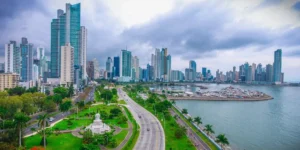
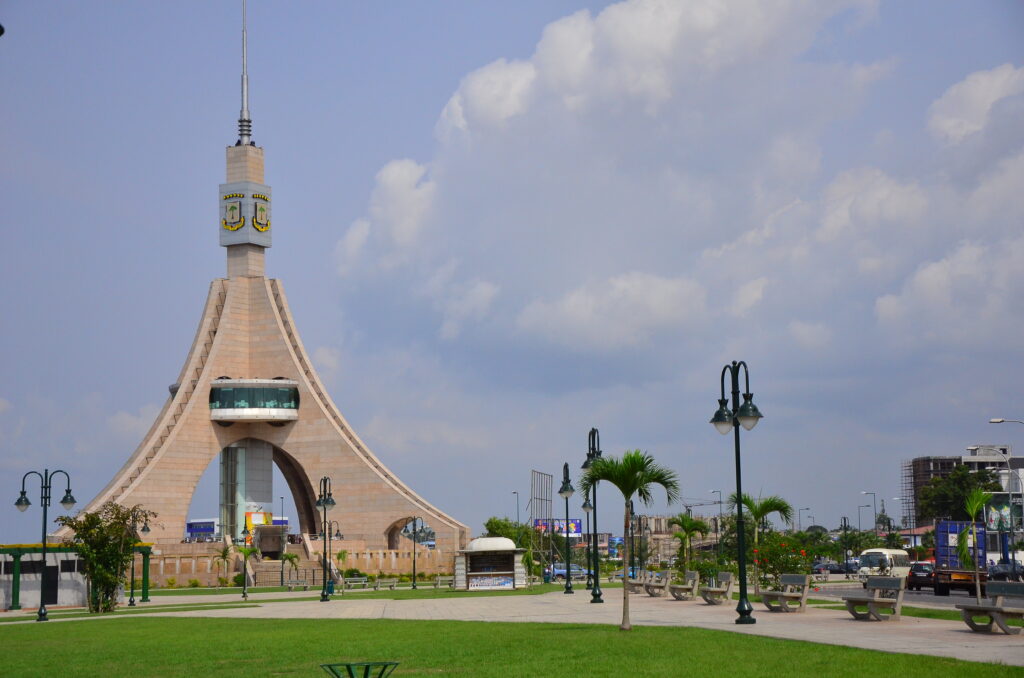
Wealth funded infrastructure like Malabo’s modernization and Bata’s Torre de la Libertad, but corruption siphoned billions, with Obiang’s family accused of embezzlement. Human rights abuses persist, including torture and suppressed dissent.
Multiparty elections since 1991 are marred by fraud; Obiang won 95% in 2022. The 2011 constitutional changes limited terms, but his son Teodoro Nguema Obiang Mangue is groomed as successor.
Contemporary Challenges: Oil Dependency and Global Relations
Oil revenues peaked in the 2000s, funding projects like Sipopo resorts, but declining production prompts diversification into agriculture and tourism. COVID-19 and 2021 Bata explosions highlighted vulnerabilities.
Relations with Spain remain complex, while China invests heavily. Environmental concerns in the Gulf of Guinea and indigenous rights issues persist. Equatorial Guinea’s history underscores the perils of resource curses and colonialism’s legacies, yet its people endure with cultural vibrancy.