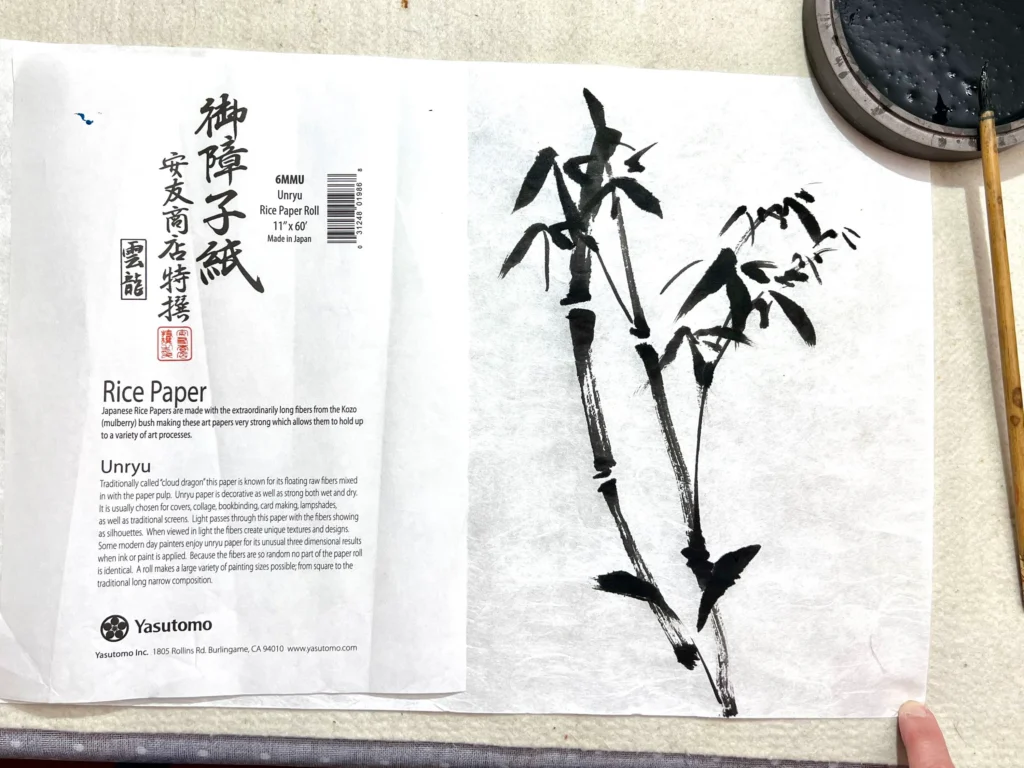
Shodo, the traditional Japanese art of calligraphy, is a cultural practice that expresses both artistry and spirituality through the beauty of written characters. The word shodo means the way of writing, and it reflects the idea that calligraphy is not simply a skill but a path to self cultivation. For centuries, monks, scholars, and artists have used brush and ink to express emotion, discipline, and inner harmony. Today, Shodo remains one of Japan’s most respected cultural traditions and continues to influence modern design and creative expression.
Shodo has deep historical roots. It was introduced from China during the sixth century along with Buddhism. The early Japanese scholars adopted Chinese writing styles, but over time, calligraphy in Japan evolved into its own distinct art. The creation of kana, the Japanese phonetic writing system, played a major role in shaping Shodo. This development allowed calligraphers to express more fluid and lyrical forms, giving Shodo a uniquely Japanese character.
The essence of Shodo lies in the use of four essential tools known as the Four Treasures of the Study. These include the brush, the ink stick, the inkstone, and the paper. Each tool has symbolic meaning and contributes to the final work. The brush represents flexibility and expression. The ink stick symbolizes effort, since it must be ground carefully to create ink. The inkstone is a foundation for creativity. The paper reflects purity and receptiveness. Together, these tools create a harmonious balance between technique and emotion.
A calligrapher begins by grinding the ink stick against the inkstone with water. This slow process helps the artist enter a calm and meditative state. The brush is held with deliberate posture and breathing is controlled to maintain steadiness. Every stroke, whether bold or delicate, reflects the artist’s inner condition. Even subtle movements of the wrist or fingers affect the outcome. Once the brush touches the paper, there is no erasing. This teaches practitioners to commit fully to each moment.
Shodo styles vary widely. Kaisho, also known as block style, features clear and structured characters. It is often used by beginners to build a strong foundation. Gyosho, the semi cursive style, introduces fluidity and allows characters to connect more naturally. Sosho, the cursive style, is the most expressive and abstract. Characters flow like water across the paper, making it difficult to read but visually captivating. Each style offers a different level of creativity and emotional depth.
The philosophy behind Shodo centers on the unity of body and mind. Practitioners seek to clear their thoughts before writing. The goal is not perfection but expression. A single character can convey strength, peace, energy, or sorrow. The spacing between characters, the thickness of lines, and the speed of strokes all contribute to the emotional atmosphere of the work. Shodo is often described as painting with language, where meaning extends beyond the literal interpretation of words.
Shodo is commonly practiced in schools and cultural institutions across Japan. Students learn not only the technical skills but also the values of discipline, patience, and mindfulness. Many master calligraphers dedicate decades to refining their art, often inheriting techniques from previous generations. Exhibitions and competitions are held regularly to showcase outstanding works.
In modern times, Shodo continues to evolve. Artists experiment with large brushes, unconventional surfaces, and abstract compositions. Shodo has influenced graphic design, fashion, branding, and contemporary art. Its emphasis on expressive movement and minimalism resonates strongly with global audiences. Calligraphy themed artworks are displayed in galleries worldwide, demonstrating the universal appeal of this ancient practice.
Learning Shodo can provide numerous personal benefits. It improves focus, strengthens hand control, and promotes a sense of calm. The repetitive act of brush practice becomes a form of meditation. Many people find that Shodo helps them express emotions that are difficult to communicate verbally. It teaches acceptance, since mistakes cannot be undone, and each stroke becomes part of the final artwork.
Visitors to Japan can experience Shodo through cultural workshops in Kyoto, Tokyo, and traditional towns. Instructors guide participants through grinding ink, practicing strokes, and creating their own character artwork to take home. These workshops provide a meaningful connection to Japanese culture and allow travelers to appreciate the depth behind each brushstroke.
In conclusion, Shodo is a powerful expression of Japanese aesthetics and philosophy. It blends technique, creativity, and spirituality into a single flowing movement. Through Shodo, one can discover a deeper understanding of patience, inner peace, and the beauty of imperfection. As a cultural treasure that continues to inspire generations, Shodo remains one of the most profound artistic traditions of Japan.