Guinea-Bissau, a small West African country with a coastline dotted by mangroves and islands, has a history marked by ancient kingdoms, colonial resistance, and post-independence instability. Home to diverse ethnic groups and the Bijagós Archipelago, its narrative encompasses pre-colonial prosperity, a fierce liberation war, and ongoing quests for stability. This in-depth look traces its journey from early settlements to contemporary challenges.
Ancient Settlements and the Kaabu Kingdom
Human habitation in Guinea-Bissau dates back millennia, with hunter-gatherers evolving into agricultural societies using iron tools for rice cultivation. By the 13th century, the region fell under the Mali Empire’s influence, becoming the province of Kaabu after Mali’s decline. Kaabu, a Mandinka-dominated kingdom, thrived until the 19th century, blending animist beliefs with Islam introduced by Fulani herders arriving from the 12th century.
Ethnic dynamics shaped society: coastal groups like the Balanta and Papel resisted central authority, while inland Mandinka and Fulani engaged in trade. Kaabu’s warriors, known for cavalry, controlled salt and gold routes, fostering a symbiotic yet tense coexistence among peoples.
European Arrival and the Slave Trade Era
Portuguese explorers, led by Nuño Tristão in the 1440s, reached the coast seeking slaves and gold. Initial resistance killed Tristão in 1447, but by the 16th century, Portugal established forts like Cacheu (1588), turning the area into a slave-trading hub. “Portuguese Guinea” focused on coastal enclaves, with the interior remaining autonomous.
The transatlantic slave trade devastated populations, exporting thousands to the Americas. The Bijagós Islanders, fierce warriors, raided slavers and maintained independence until 1936. Inland, the Fula jihad of the 19th century weakened Kaabu, leading to its fall in 1867.
Colonial Consolidation and Pacification Campaigns
Portugal’s control was nominal until the Berlin Conference (1884–1885) formalized borders. “Pacification campaigns” from 1912–1915 brutally subdued resistance, using African troops against locals. The Bijagós required a 1936 invasion to conquer.
Colonial rule emphasized cash crops like peanuts and rice, with forced labor building infrastructure. Education was limited, fostering resentment. The 1950s saw nationalist stirrings, influenced by pan-Africanism.
The Liberation War: PAIGC and Amílcar Cabral
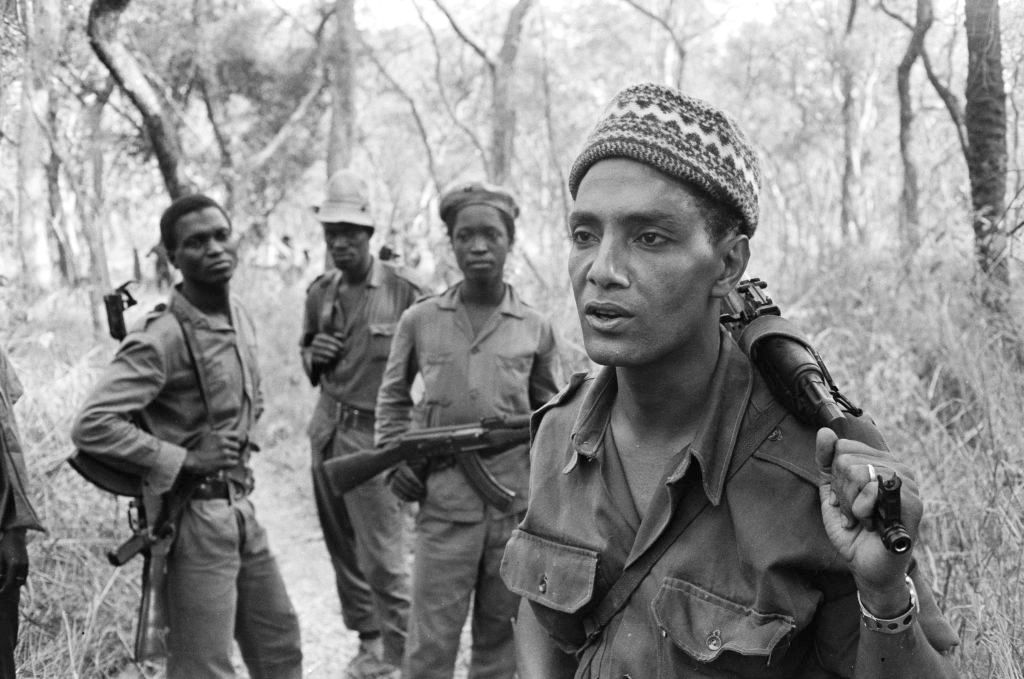
The African Party for the Independence of Guinea and Cape Verde (PAIGC), founded in 1956 by Amílcar Cabral, mobilized workers and peasants. Cabral, an agronomist, emphasized education and unity across ethnic lines. Guerrilla warfare began in 1963, dubbed “Portugal’s Vietnam” for its costliness.
PAIGC controlled much of the countryside by the 1970s, establishing schools and clinics in liberated zones. Cabral’s assassination in 1973, likely by Portuguese agents, didn’t halt progress. Unilateral independence was declared on September 24, 1973, recognized after Portugal’s 1974 Carnation Revolution.
Independence and the Cabral Legacy
Luis Cabral, Amílcar’s brother, became president in 1974. The government pursued socialist policies, nationalizing land and promoting literacy. Ties with Cape Verde aimed at union, but ethnic tensions simmered—Balanta felt marginalized.
A 1980 coup by João Bernardo “Nino” Vieira, a Balanta, ended Cabral’s rule, executing rivals and abandoning unification.
Vieira’s Rule and Civil War
Vieira’s regime liberalized economically in the 1990s, holding multi-party elections in 1994. However, corruption and military unrest led to a 1998–1999 civil war, displacing thousands. Senegalese and Guinean intervention backed Vieira, but he was ousted in 1999.
Elections brought Kumba Ialá in 2000, but coups persisted: Ialá was deposed in 2003, and Vieira returned in 2005, only to be assassinated in 2009 amid military feuds.
Recent Instability and Democratic Hopes
The 2010s saw more coups, including 2012’s military takeover. Drug trafficking, with Guinea-Bissau as a cocaine transit hub, exacerbated instability. Umaro Sissoco Embaló’s 2020 presidency faced a failed coup in 2022.
Despite challenges, Guinea-Bissau’s culture thrives: Carnival blends Portuguese and African rhythms, and the sacred Bijagós Islands preserve matriarchal traditions.
Economic Struggles and Cultural Richness
Cashew nuts dominate exports, but poverty affects 70% of the population. Climate change threatens mangroves and fisheries. Yet, biodiversity in Bolama-Bijagós Biosphere Reserve attracts eco-tourism.
Forging a Stable Future
Guinea-Bissau’s history is a testament to resilience against colonialism and internal strife. From Kaabu’s glory to PAIGC’s triumph, its people continue striving for peace. Visiting Bissau’s colonial architecture or Bijagós’ beaches reveals a nation rich in spirit, poised for renewal.