Electrical cables are essential components of modern infrastructure. They transmit power and data across homes, factories, communication networks, and transportation systems. Despite their widespread use, the cable manufacturing process is often overlooked.
Producing high quality cables requires precise engineering, advanced machinery, and strict safety standards. This article explains how electrical cables are manufactured from raw materials to finished products.
Raw Materials Used in Cable Production
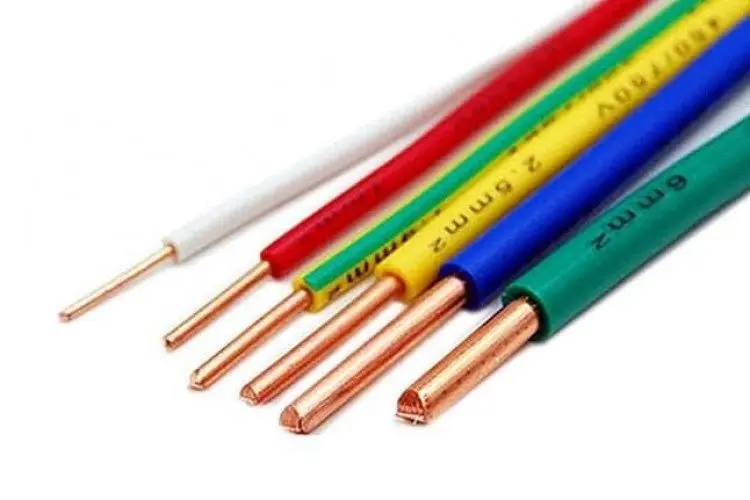
The primary conductor material used in cable manufacturing is copper or aluminum. Copper is preferred for its excellent conductivity and flexibility, while aluminum is lighter and more cost effective for large scale power transmission.
Insulation materials such as PVC, polyethylene, and rubber are also essential. These materials protect the conductor, prevent electrical leakage, and ensure user safety.
Wire Drawing Process
Cable production begins with wire drawing. Thick copper or aluminum rods are pulled through a series of dies to reduce their diameter and increase length. This process improves flexibility and conductivity.
Lubricants are used during drawing to reduce friction and prevent damage to the metal surface. The result is a smooth, uniform wire suitable for further processing.
Annealing for Flexibility
After drawing, the wire undergoes annealing. This heat treatment process softens the metal and relieves internal stress caused by drawing. Annealed wire is more flexible and easier to bend without breaking.
Annealing is especially important for cables used in household wiring and electronic devices where flexibility is required.
Stranding and Conductor Formation
In many cables, multiple wires are twisted together to form a stranded conductor. Stranding improves flexibility and durability compared to solid wire conductors.
Different stranding patterns are used depending on the cable application. Power cables, communication cables, and control cables each require specific conductor designs.
Insulation Extrusion
Once the conductor is formed, insulation is applied using extrusion machines. Molten insulation material is forced around the conductor, forming a protective layer.
The thickness and type of insulation are carefully controlled to meet electrical and safety standards. Proper insulation ensures reliable performance and prevents electrical hazards.
Shielding and Armoring
Some cables require additional protection in the form of shielding or armoring. Shielding uses metallic layers to reduce electromagnetic interference, while armoring adds mechanical strength.
These features are commonly found in industrial cables, underground cables, and communication cables.
Sheathing and Outer Jacket Application
After insulation and shielding, an outer jacket is applied to protect the cable from environmental damage. This jacket resists moisture, heat, chemicals, and physical abrasion.
The outer sheath also provides color coding and labeling for easy identification during installation.
Testing and Quality Control
Finished cables undergo extensive testing to ensure safety and performance. Tests include electrical resistance measurement, insulation resistance testing, and mechanical stress evaluation.
Only cables that meet strict quality standards are approved for sale and installation.
Packaging and Distribution
Approved cables are cut to length, coiled, and packaged for shipment. Packaging protects the cables during transportation and storage.
The finished cables are distributed to construction companies, utility providers, and electronics manufacturers worldwide.
The cable manufacturing process is a complex combination of materials science, mechanical engineering, and quality control. From raw metal to fully insulated and tested cables, each stage ensures safe and efficient transmission of electricity and data. Understanding this process highlights the importance of cables in powering modern life.