Holi, often called the Festival of Colors, is one of the most vibrant and joyful celebrations in India. It marks the arrival of spring and symbolizes the victory of good over evil.
The Meaning Behind Holi
Holi has deep cultural and spiritual significance. It is rooted in ancient Hindu traditions and is associated with stories that highlight love, devotion, and the triumph of righteousness. The festival also encourages forgiveness, unity, and renewal of relationships.
Also See : The History of Qatar – From Pearl Fishing Villages to a Global Energy Power
How Holi is Celebrated
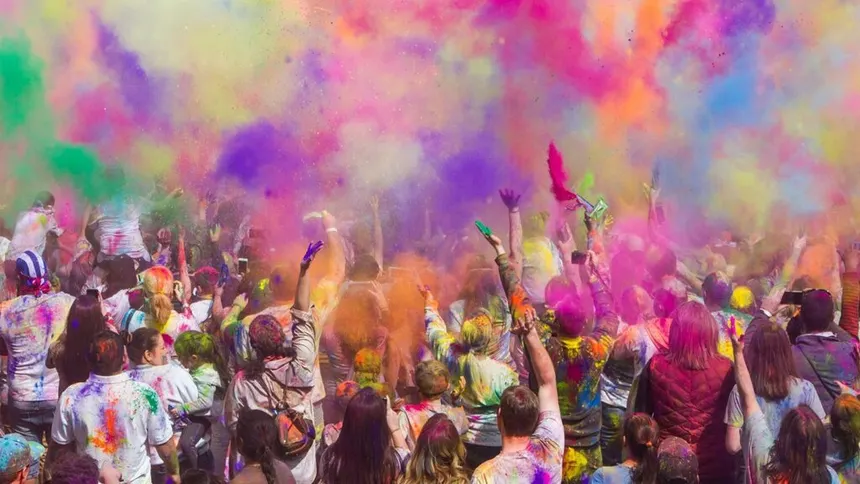
People celebrate Holi by throwing colored powders, splashing water, dancing, and enjoying festive foods. Streets turn into lively spaces filled with music and laughter. Traditional sweets like gujiya and drinks like thandai are commonly shared among family and friends.
Cultural Importance
Holi breaks social barriers and brings people together regardless of age, gender, or social status. It reflects the inclusive and joyful nature of Indian culture, making it a globally recognized celebration.