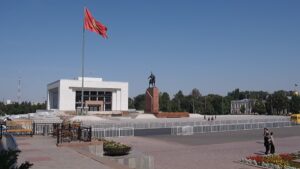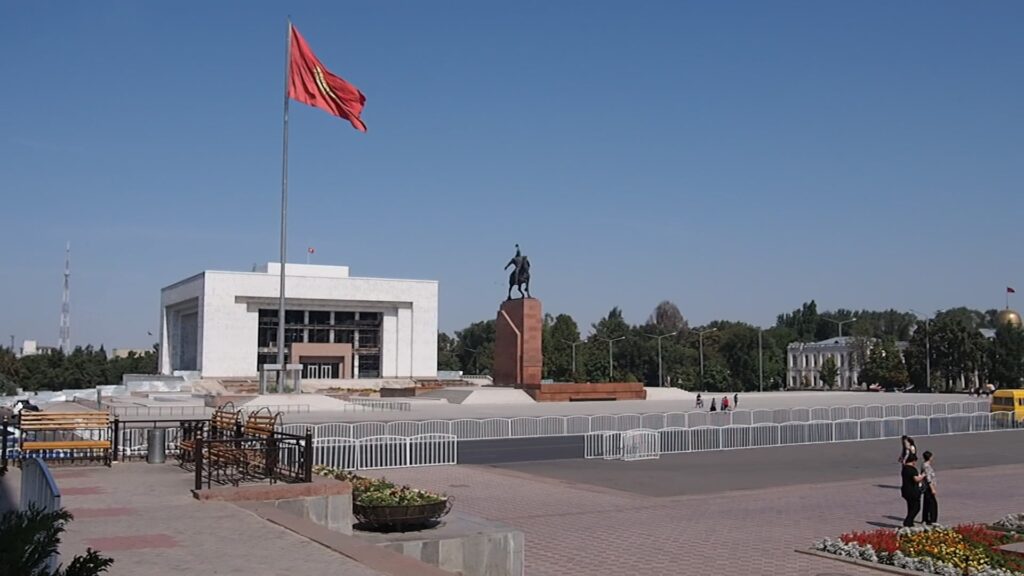
Kyrgyzstan, landlocked in Central Asia’s Tian Shan mountains, is known for nomadic heritage, stunning landscapes, and turbulent post-Soviet politics. The history of Kyrgyzstan (also spelled Kirgizstan) spans ancient Turkic tribes, Mongol conquests, Russian/Soviet rule, and rocky independence marked by revolutions. This timeline covers its journey to the present in 2026.
Ancient Kyrgyz Origins and Migration
Kyrgyz history traces to at least the 1st century BCE, with early Kyrgyz in the upper Yenisei River valley (southern Siberia). Described in Chinese sources as fair-haired forest-dwellers practicing shamanism, they spoke Turkic languages by the 9th century.
Also See : The Hidden History of North Korea From Division to the Kim Dynasty in 2026
In the mid-9th century, Kyrgyz overthrew the Uighur Khaganate but remained nomadic. Mongol conquest under Genghis Khan in 1207 brought submission. After Mongol decline, Kyrgyz migrated south to the Tian Shan in the 15th–16th centuries, adopting Islam gradually under Kokand Khanate influence.
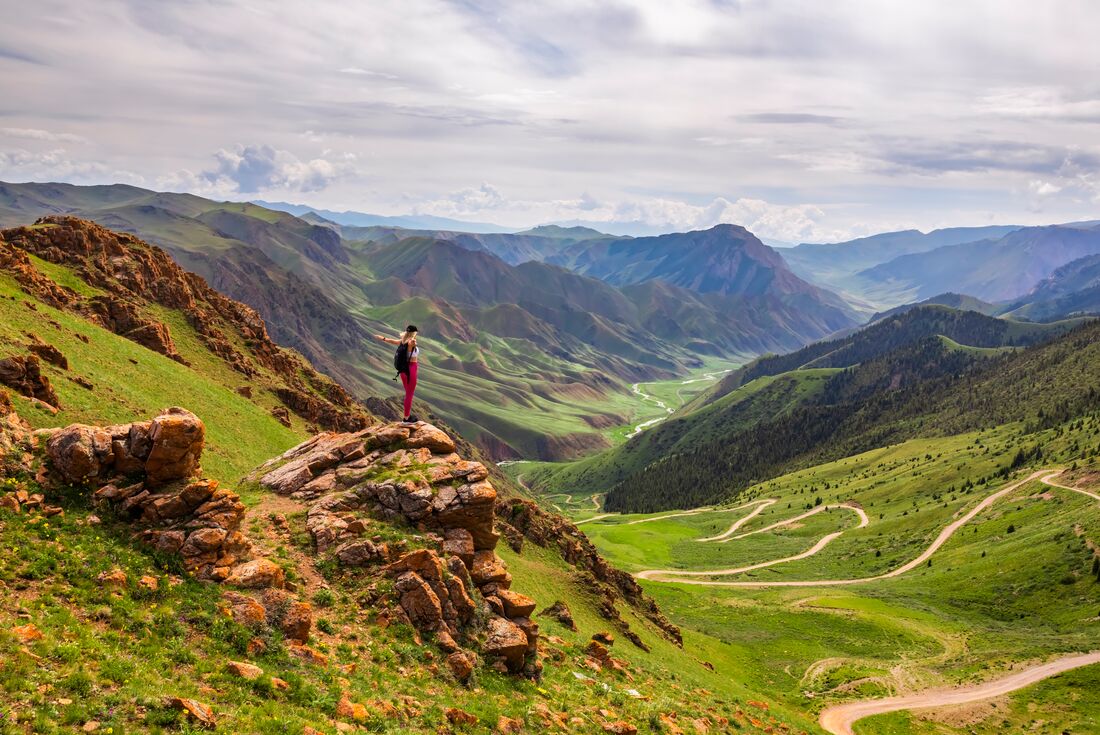
Kyrgyzstan: Trekking the Tien Shan Trails | Intrepid Travel US
Under Kokand, Qing, and Russian Rule (18th–Early 20th Century)
In the 18th century, Kyrgyz fell under Qing China after Dzungar defeat, then Kokand Khanate (1820s–1876). Bishkek (then Pishpek) was founded as a fortress.
Russia conquered the region 1860s–1876, incorporating northern Kyrgyzstan into Turkestan Governorate-General. Southern areas joined after Kokand’s fall. Rebellions occurred, including 1916 Central Asian revolt against conscription, causing mass flight to China.
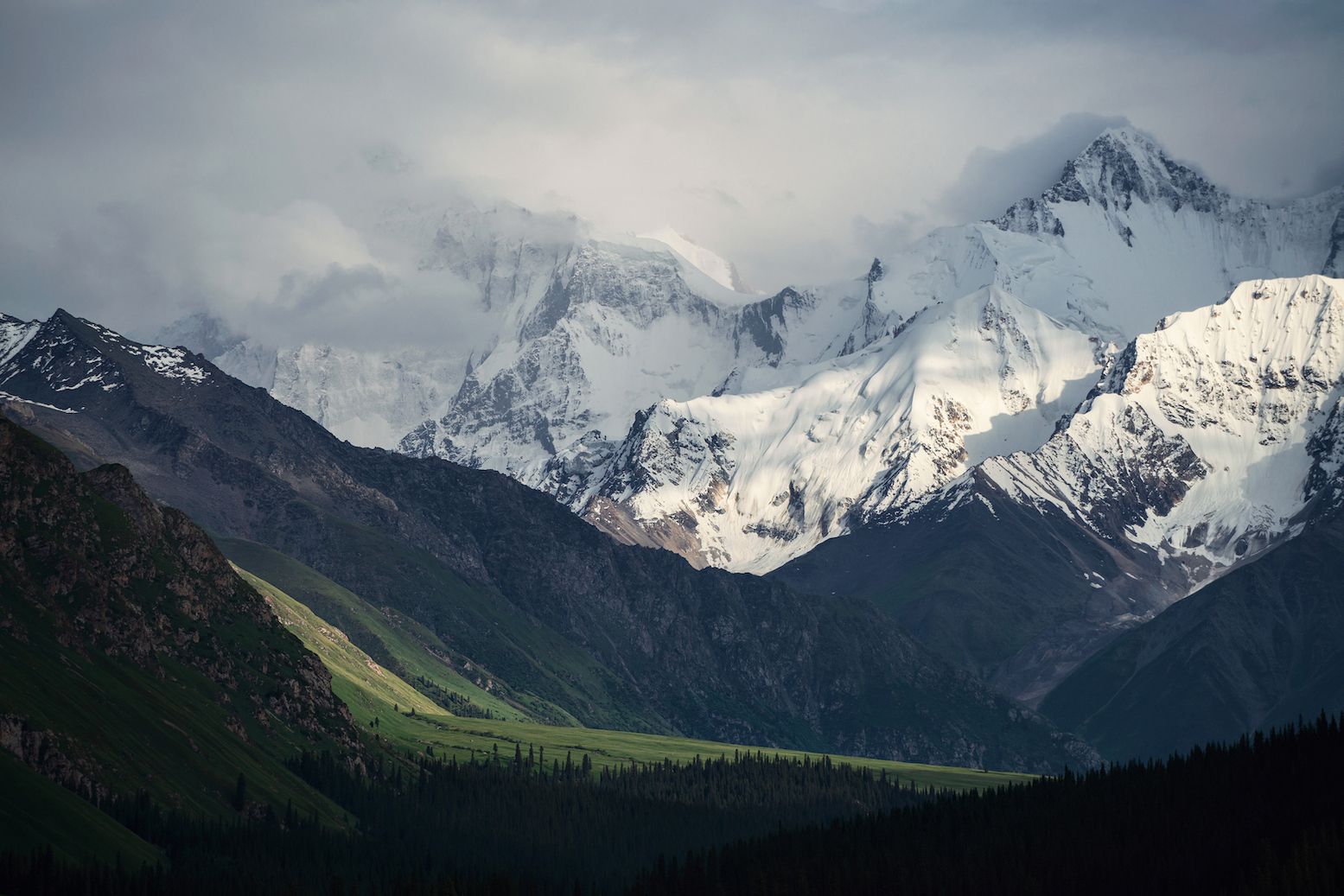
5 of the Best Hikes in Kyrgyzstan’s Tian Shan Mountains
Soviet Era: Kirghiz SSR (1924–1991)
After 1917 Revolution, Kyrgyzstan became the Kirghiz Autonomous Oblast (1924), then Kirghiz SSR (1936). Collectivization, sedentarization of nomads, and Stalinist purges reshaped society. WWII saw heavy Kyrgyz losses.
Post-war industrialization focused on mining, hydropower, and agriculture. Kyrgyz culture preserved elements like epic Manas, but Russian influence dominated urban areas.

Nomadic life of Kyrgyz people | Travel Land
Independence and Political Turbulence (1991–2010)
On 31 August 1991, Kyrgyzstan declared independence; Askar Akayev became president. Early years saw economic shock from Soviet collapse but relative democracy.
Tulip Revolution (2005) ousted Akayev amid corruption claims, bringing Kurmanbek Bakiyev. 2010 uprising toppled Bakiyev after ethnic clashes in Osh, leading to Roza Otunbayeva’s interim rule and new parliamentary constitution.
Recent Developments: Revolutions to Centralized Rule (2010–2026)
Almazbek Atambayev (2011–2017) and Sooronbay Jeenbekov (2017–2020) periods saw instability. October 2020 protests after disputed elections brought Sadyr Japarov to power. 2021 referendum adopted a strong presidential “Khanstitution.”
Under Japarov, 2025 parliamentary elections were calm but restrictive. A historic border deal with Tajikistan resolved long disputes. Pressures on media and opposition grew, alongside anti-extremism laws. In 2026, Kyrgyzstan maintains uneasy stability, strengthened international ties (especially with China and Russia), while preserving nomadic traditions amid modernization.