Lebanon, a small but historically pivotal nation on the eastern Mediterranean, has been a crossroads of civilizations for millennia. The history of Lebanon encompasses ancient Phoenician seafaring, Roman grandeur, Ottoman rule, French mandate, civil war devastation, and ongoing political-economic crises. This timeline traces its journey from prehistoric roots to the cautious rebound seen in 2026.
Ancient Phoenicia: Birthplace of Alphabet and Maritime Trade (3000 BCE–539 BCE)
Lebanon’s story begins with the Phoenicians, Canaanite seafarers who dominated Mediterranean trade from city-states like Byblos (one of the world’s oldest continuously inhabited cities), Sidon, and Tyre. They invented the phonetic alphabet around 1200 BCE, influencing Greek and Latin scripts. Cedar wood from Mount Lebanon fueled shipbuilding and Egyptian temples.

Cities of Lebanon: Unique Tales from Every City.
Assyrians, Babylonians, and Persians successively conquered the region, but Phoenician culture endured.
Hellenistic, Roman, and Byzantine Eras (539 BCE–636 CE)
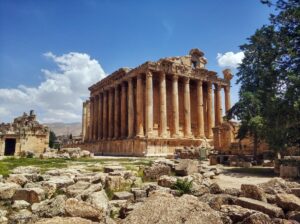
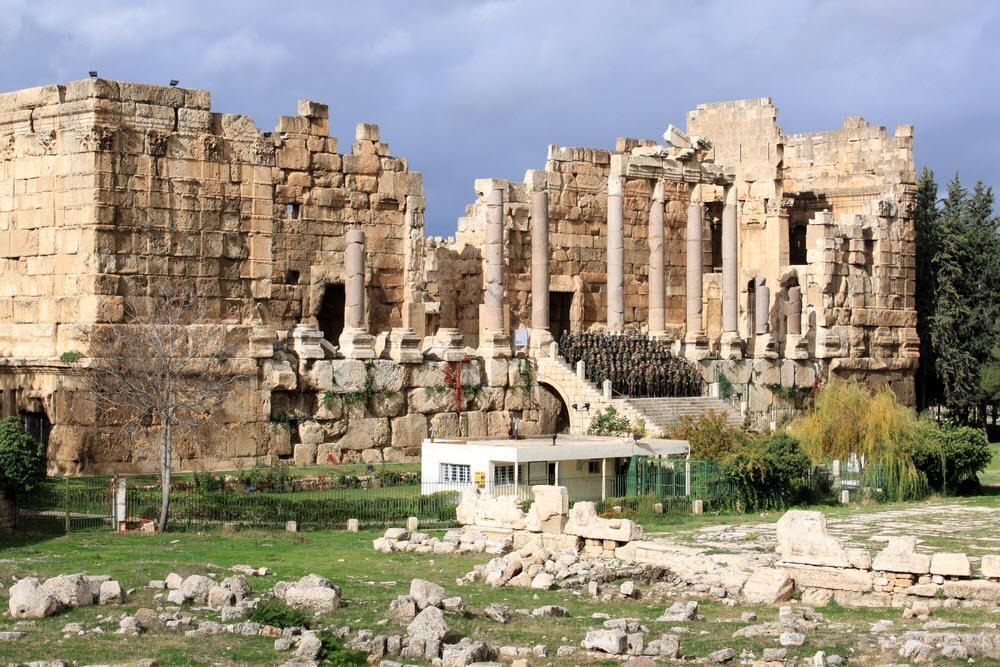
Alexander the Great captured Tyre in 332 BCE after a famous siege. Under Roman rule (64 BCE onward), Lebanon prospered: Baalbek (Heliopolis) became home to massive temples, including the colossal Temple of Jupiter. Beirut (Berytus) was a renowned law school. Christianity spread early, with Beirut as an episcopal see.

Byzantine control followed until Arab Muslim conquest in 636 CE.
Arab Caliphates, Crusades, and Mamluk Rule (636–1516)
Under Umayyads and Abbasids, Lebanon saw Arabization and Islamization, though Maronite Christians preserved autonomy in mountains. Crusaders established counties (e.g., Tripoli 1109) but were expelled by Mamluks in 1291. Mamluk rule brought stability until Ottoman takeover.
Ottoman Empire and Mount Lebanon Autonomy (1516–1918)
Ottomans incorporated Lebanon, granting semi-autonomy to Mount Lebanon under local emirs (e.g., Shihab and Maan dynasties). 19th-century sectarian tensions led to 1860 massacres and European intervention, creating the Mutasarrifate of Mount Lebanon (1861–1918) under Christian governor.
French Mandate and Independence (1920–1943)
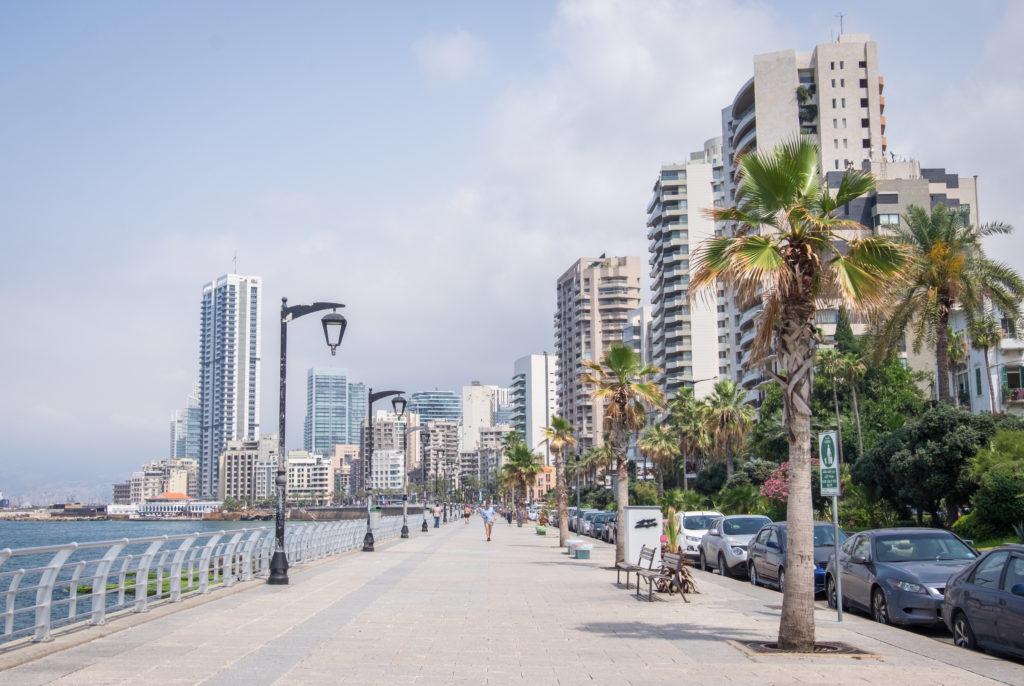
Post-WWI, France created Greater Lebanon (1920), incorporating Beirut, Tripoli, Sidon, Tyre, and Bekaa. A 1926 constitution established the Lebanese Republic. Independence came November 22, 1943, amid WWII; full sovereignty followed 1946.

Many an exclusive photo – from Beirut’s Jeita Grotto.
The 1943 National Pact allocated power by sect (6:5 Christian-Muslim ratio based on 1932 census).
Civil War and Reconstruction (1975–2005)
Palestinian influx post-1948, Israeli invasions (1978, 1982), and sectarian militias ignited the Lebanese Civil War (1975–1990), killing over 120,000. Syrian troops occupied from 1976. Taif Agreement (1989) ended war, adjusting power-sharing (equal Christian-Muslim). Rafic Hariri’s reconstruction revived Beirut in the 1990s.
Baalbek Temples in Beirut: Explore Ancient Roman Ruins
Hariri’s 2005 assassination sparked Cedar Revolution, ending Syrian presence.
Post-2005 Instability, 2006 War, and Crises (2005–2025)
Hezbollah’s rise, 2006 Israel-Hezbollah War, 2008 clashes, and Syrian civil war spillover deepened divisions. 2019 economic collapse (currency lost 98% value) triggered protests. 2020 Beirut port explosion killed over 200. Political vacuum lasted until 2025 elections and reforms.
Lebanon in 2026: Cautious Recovery Amid Reforms
By 2026, Lebanon shows fragile rebound: 3.5% GDP growth in 2025 projected to continue at ~4–5% in 2026, driven by tourism, remittances, and reforms (banking, judiciary). President Joseph Aoun and PM Nawaf Salam lead stabilization efforts, but challenges persist: frozen deposits, poverty (>70% multidimensional), Hezbollah disarmament pressures, and May 2026 parliamentary elections. International aid ties to reforms; diaspora participation grows.