Liberia holds a unique place in African history as the continent’s oldest modern republic, founded by freed American slaves. The history of Liberia includes indigenous roots, American colonization efforts, independence in 1847, Americo-Liberian dominance, military coups, devastating civil wars, and recent democratic progress. This timeline traces its path from early settlements to economic recovery under President Joseph Boakai in 2026.
Indigenous Peoples and Early Contacts
Human settlement in what is now Liberia dates back thousands of years, with groups like the Vai (who developed their own script in the 19th century), Kru, Grebo, Bassa, and others inhabiting the coastal and forested regions. These communities engaged in farming, fishing, and trade. European contact began in the 15th century with Portuguese explorers, followed by Dutch, British, and French traders seeking ivory, gold, and slaves. The name “Liberia” (from Latin “liber,” meaning free) emerged later.

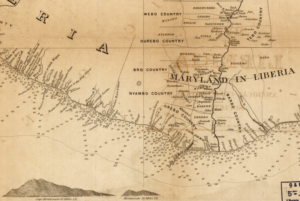
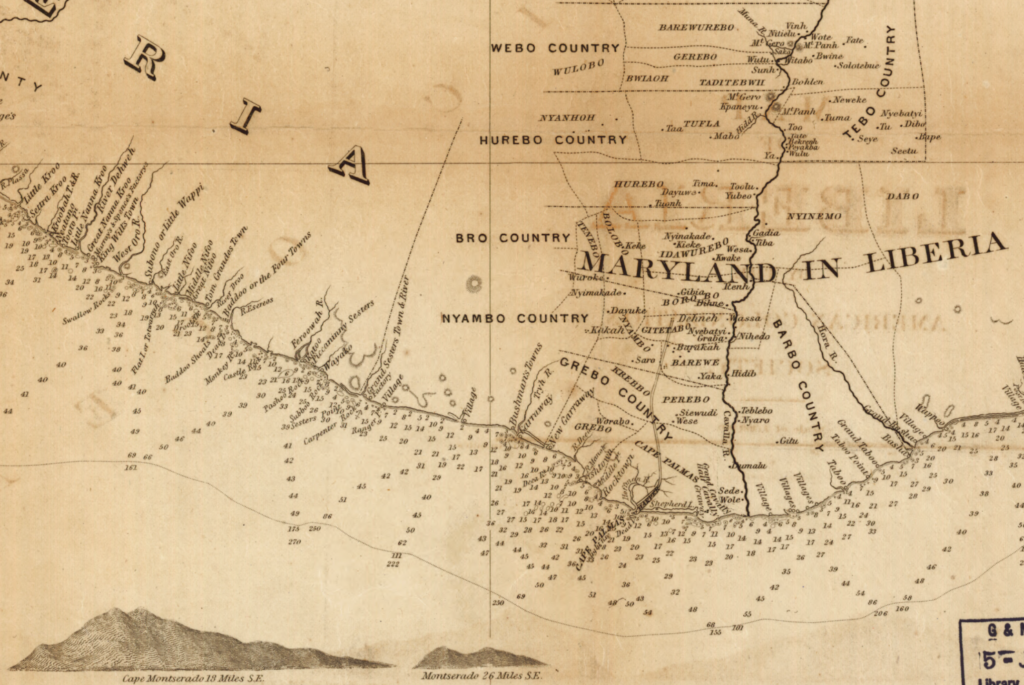
From Colony to Independence: Mid-19th Century Maps of Liberia | Worlds Revealed
American Colonization Society and Settlement (1821–1847)
In 1816, the American Colonization Society (ACS), backed by abolitionists and slaveholders, aimed to resettle free African Americans in Africa. The first settlers arrived in 1822 at Cape Mesurado (now Monrovia), facing harsh conditions, disease, and conflicts with indigenous groups. By 1847, about 20,000 settlers and recaptives (freed from slave ships) had arrived.
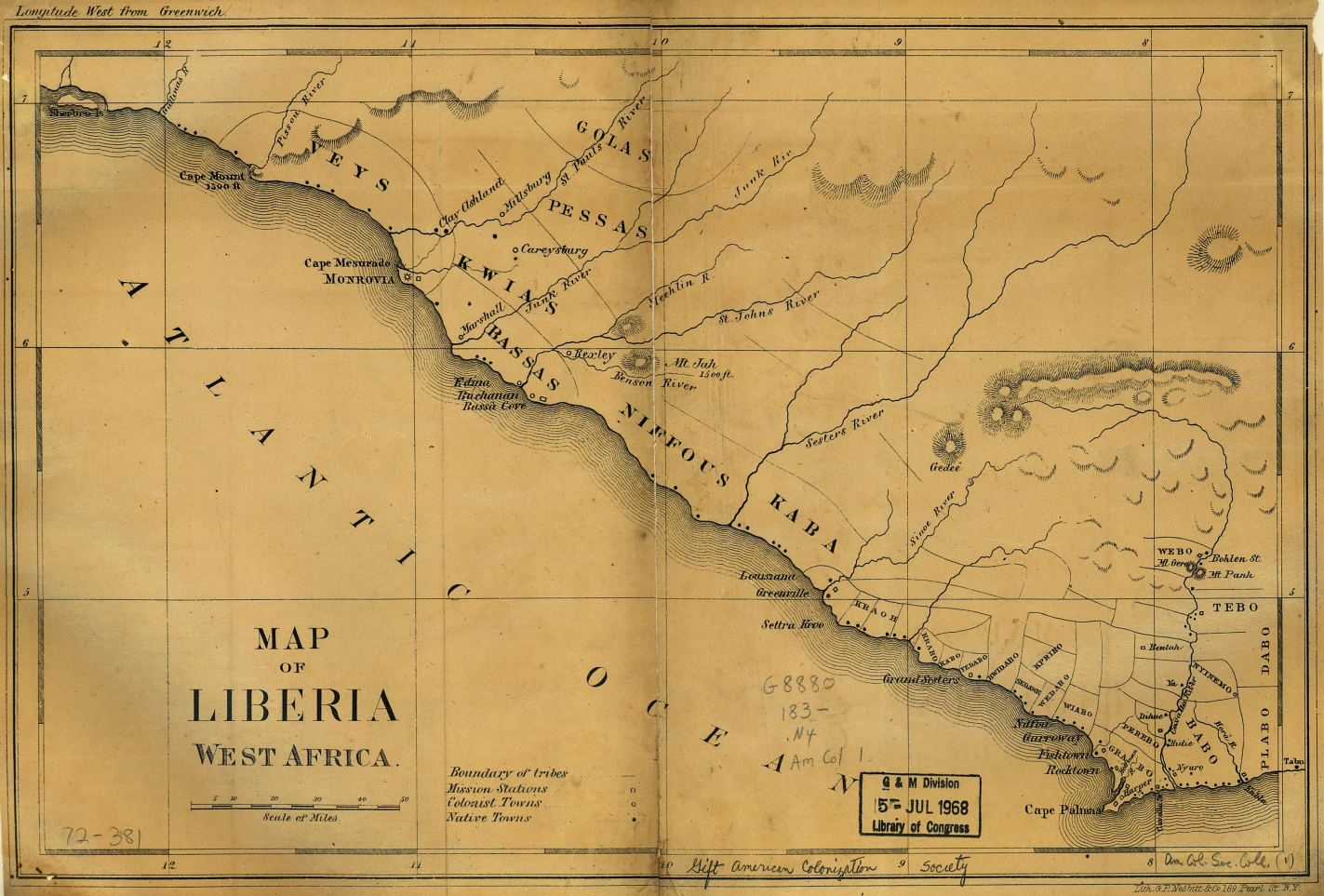
From Colony to Independence: Mid-19th Century Maps of Liberia | Worlds Revealed
Independence and Early Republic (1847–1980)
Liberia declared independence on July 26, 1847, adopting a U.S.-style constitution. Joseph Jenkins Roberts became the first president. The Americo-Liberian elite dominated politics and economy, often marginalizing indigenous populations. Key developments included Firestone’s 1926 rubber plantation (world’s largest) and President William Tubman’s long rule (1944–1971), which modernized infrastructure and promoted unity. Tubman’s successor, William Tolbert (1971–1980), faced growing unrest.

From Colony to Independence: Mid-19th Century Maps of Liberia | Worlds Revealed
Military Coups and Civil Wars (1980–2003)
On April 12, 1980, Master Sergeant Samuel Doe staged a bloody coup, executing Tolbert and establishing military rule. Doe’s regime was marked by ethnic favoritism and repression. In 1989, Charles Taylor’s National Patriotic Front of Liberia (NPFL) invaded, sparking the First Liberian Civil War (1989–1997), killing over 200,000. Taylor became president in 1997 but faced rebellion. The Second Civil War (1999–2003) ended with his exile after international pressure.
Alsoo See : The Complete History of Laos From Ancient Kingdoms to Modern Socialist State in 2026
Post-War Recovery and Democracy (2003–2018)
UNMIL (2003–2018) stabilized the country. Ellen Johnson Sirleaf became Africa’s first elected female president in 2005, focusing on reconstruction and debt relief. She won re-election in 2011 (sharing Nobel Peace Prize). George Weah, football legend, won in 2017, marking peaceful power transfer.
Recent Era: Challenges and Progress (2018–2026)
Weah’s term saw economic struggles and corruption allegations. In 2023, Joseph Boakai defeated Weah in a close runoff, inaugurated January 2024. Under Boakai’s ARREST Agenda (Agriculture, Roads, Rule of Law, Education, Sanitation, Tourism), 2025 brought strong gains: GDP growth ~5.1%, inflation down to ~4%, reserves up, and mining/agriculture expansion. In 2026, the State of the Nation Address highlighted fiscal reforms, IMF targets met, digital economy taxation proposals, and mining incentives ahead of African Mining Week. Liberia pursues stability amid infrastructure and governance improvements.