Liechtenstein, one of Europe’s smallest sovereign states, combines medieval origins with modern prosperity. The history of Liechtenstein features its 1719 founding, Holy Roman Empire ties, full independence in 1866, neutrality in world wars, and transformation into a high-income financial hub. This timeline covers its path to stability under Hereditary Prince Alois in 2026.
Early Medieval Roots and Formation (814–1719)
Region part of Lower Rhaetia under Carolingians. Vaduz and Schellenberg lordships emerged. In 1719, Prince Anton Florian purchased both, uniting them as Reichsfürstentum Liechtenstein under Holy Roman Emperor Charles VI named after the family.

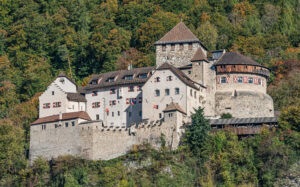
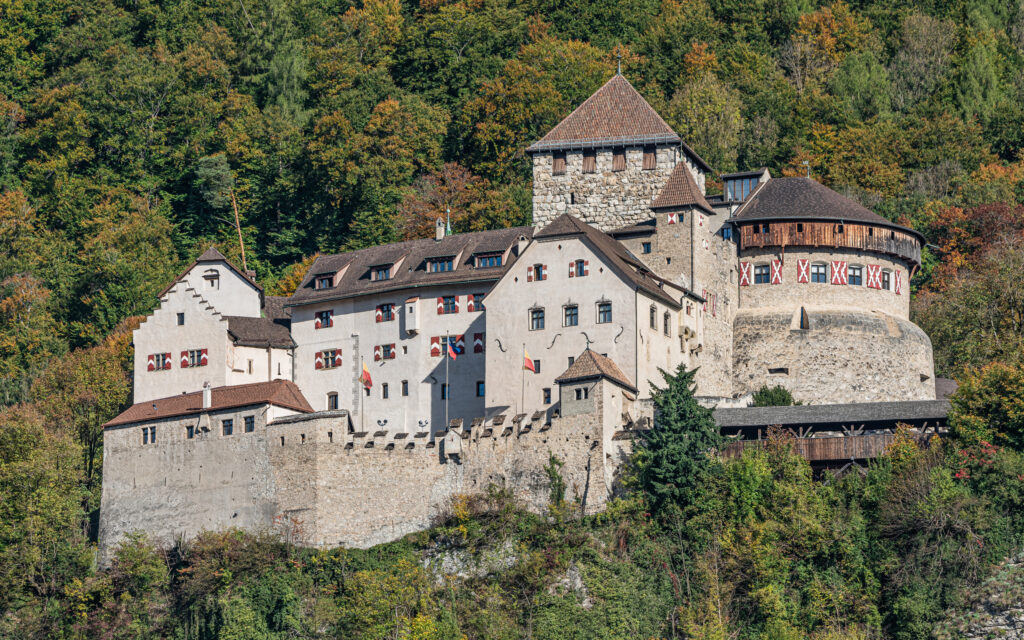
How to Visit Vaduz Castle AKA Schloss Vaduz in Liechtenstein
Alsoo See : The Complete History of Laos From Ancient Kingdoms to Modern Socialist State in 2026
Holy Roman Empire to Full Independence (1719–1866)
Joined German Confederation (1815–1866). No army after 1868; neutrality preserved. Borders unchanged since 1866 dissolution of Confederation.

Vaduz Castle – Wikipedia
20th Century: Neutrality, Industrialization, and Constitutional Changes
Neutral in WWI/WWII. Post-WWII, Prince Franz Joseph II drove industrialization and banking growth. Customs union with Switzerland (1923) continues. Women gained voting rights 1984. 2003 referendum strengthened Prince Hans-Adam II’s powers (veto, dismissal). Prince Alois assumed daily duties 2004.
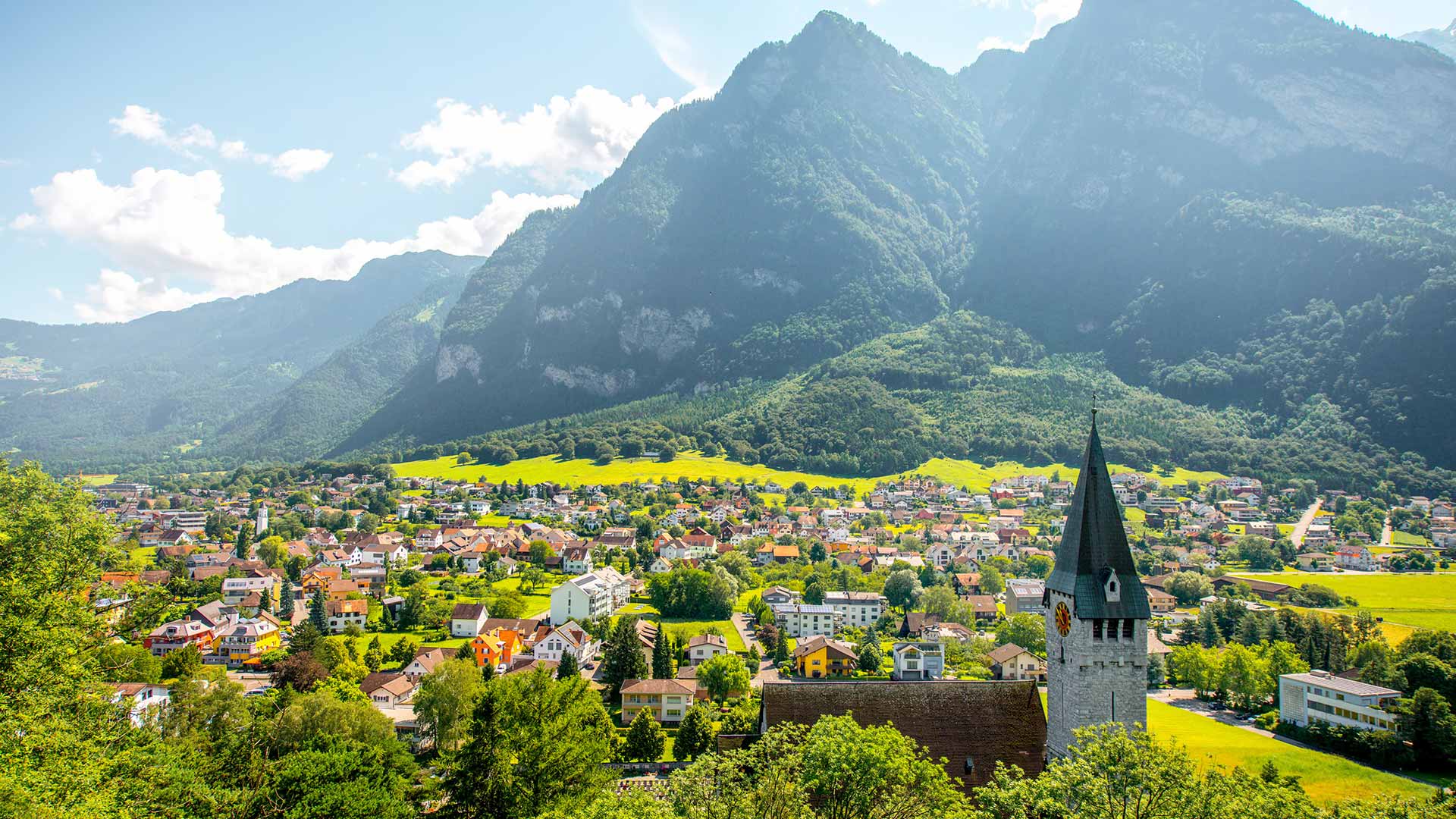
Liechtenstein : Alps Travel Guide : Nordic Visitor
Modern Prosperity and Challenges (1990s–2020s)
Joined UN 1990, EEA 1995, WTO 1995, Schengen 2011. OECD removed from tax haven blacklist 2009 after reforms. Same-sex marriage legalized 2025. In 2025–2026, under PM Brigitte Haas (first female PM since April 2025), economy faces US tariffs headwinds but maintains surpluses (~3% GDP). IMF Article IV notes resilience, low debt, AAA rating. Growth subdued 2026 amid global uncertainty; focus on diversification, digitalization, and trilateral US-Switzerland-Liechtenstein trade talks.