Lithuania, the largest of the Baltic states, boasts one of Europe’s oldest continuous state traditions. The history of Lithuania spans ancient Baltic tribes, the vast Grand Duchy, unions with Poland, Russian/Soviet occupations, restored independence in 1990, and its emergence as a staunch NATO/EU member. This timeline traces its journey from prehistoric roots to frontline defense leadership in 2026.
Ancient Baltic Tribes and Early State Formation (Pre-1009 CE)
Human settlement in Lithuania dates back ~12,000 years post-Ice Age. Indo-European Balts arrived around 2000–1000 BCE, developing distinct languages and pagan traditions. The first written mention of “Litua” appears in 1009 CE in the Annals of Quedlinburg. By the 13th century, fragmented tribes faced threats from Teutonic Knights’ Northern Crusades.
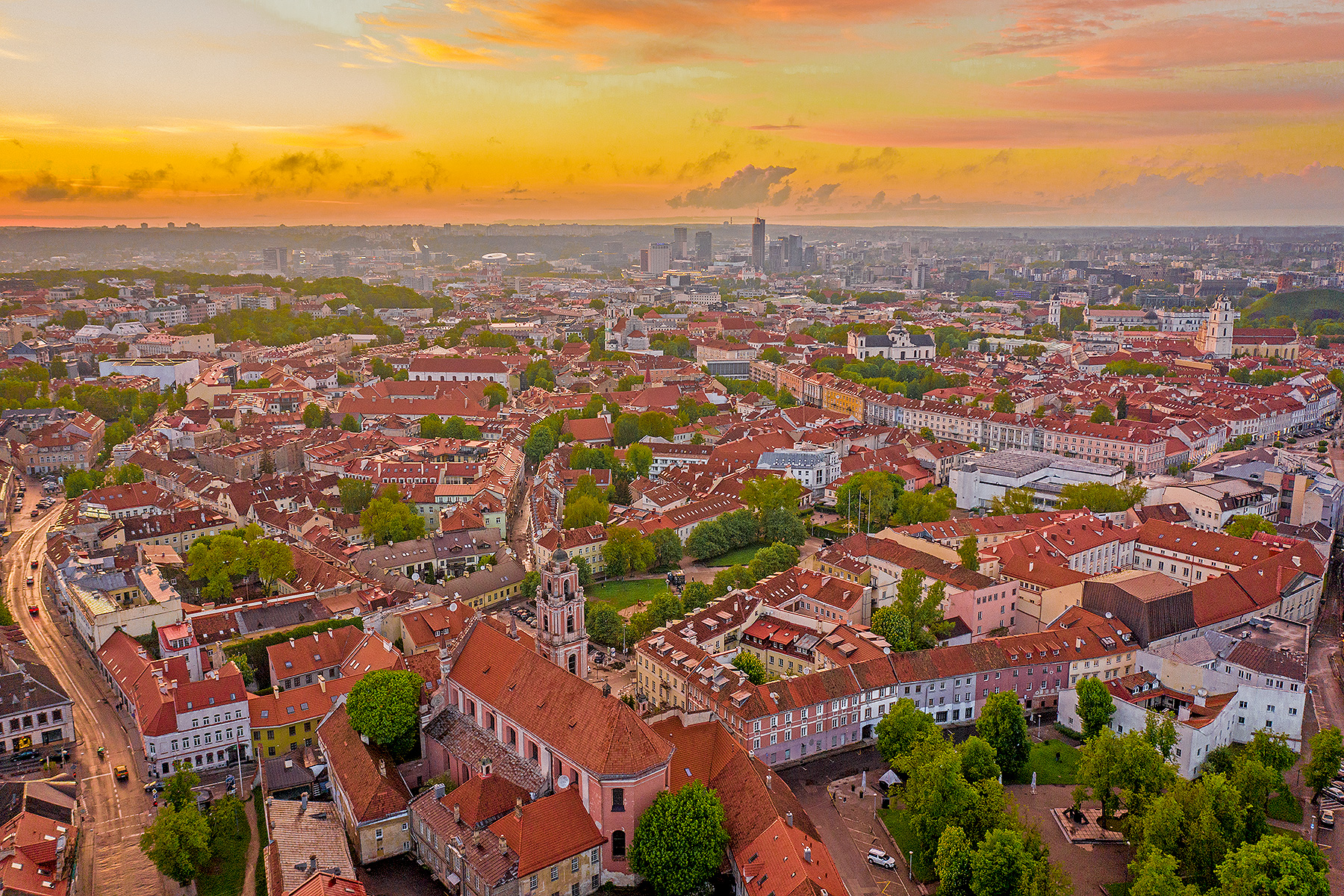
Vilnius Old Town – Wikipedia
Rise of the Grand Duchy of Lithuania (1236–1569)
Mindaugas unified tribes, crowned King in 1253 the only medieval Lithuanian king. After his assassination (1263), pagan rulers like Gediminas (r. 1316–1341) expanded eastward, creating Europe’s largest state by the 15th century, stretching from the Baltic to the Black Sea. Vytautas the Great (r. 1392–1430) defeated Teutonic Knights at Grunwald (1410). Jogaila’s 1386 union with Poland introduced Christianity.
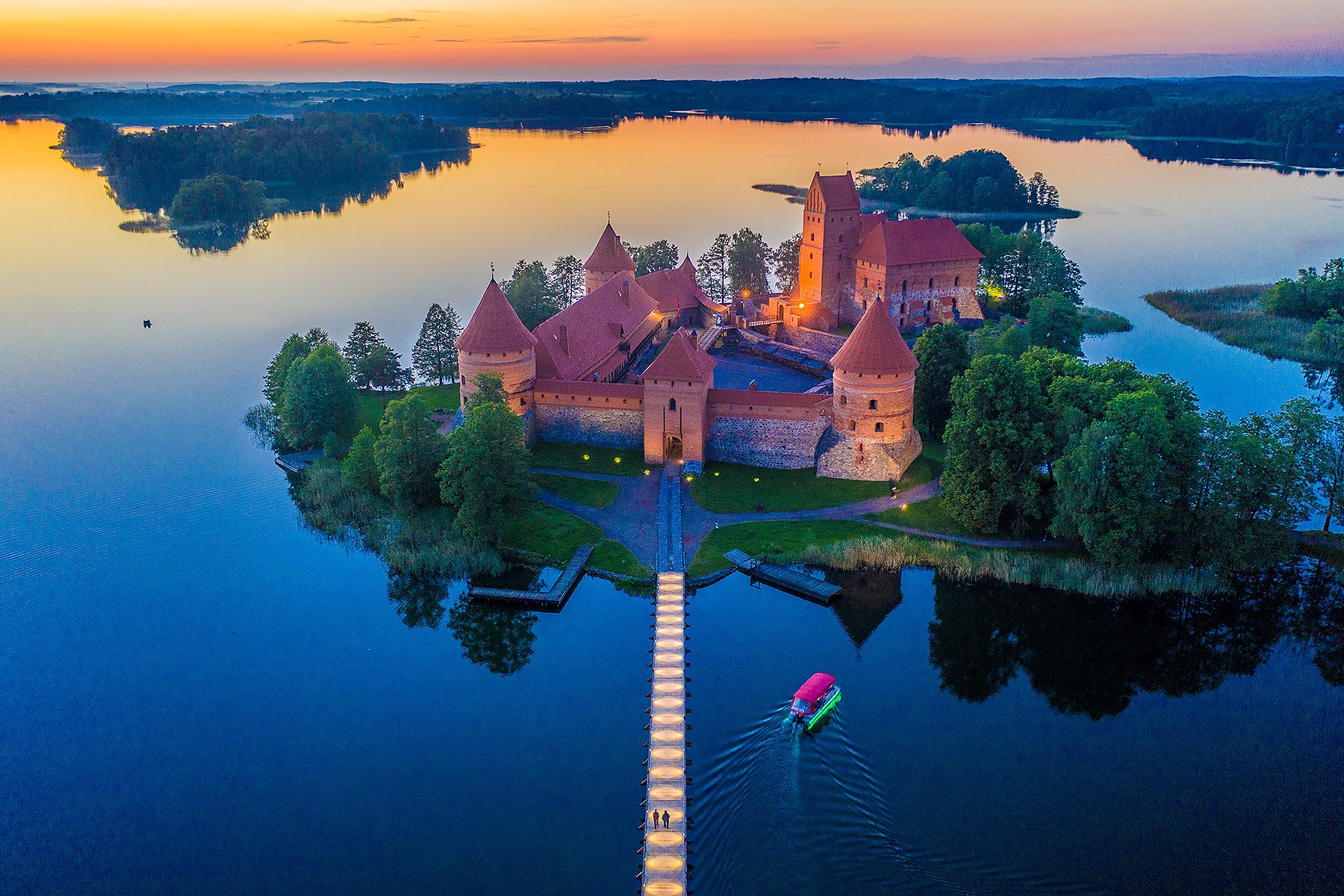
Trakai – Wikipedia
Alsoo See : The Complete History of Laos From Ancient Kingdoms to Modern Socialist State in 2026
Polish-Lithuanian Commonwealth and Decline (1569–1795)
The 1569 Union of Lublin created the Polish-Lithuanian Commonwealth, a multi-ethnic elective monarchy. Vilnius flourished as a Renaissance center. Wars with Sweden, Russia, and Cossacks weakened it; partitions by Russia, Prussia, and Austria (1772, 1793, 1795) erased Lithuania from maps.
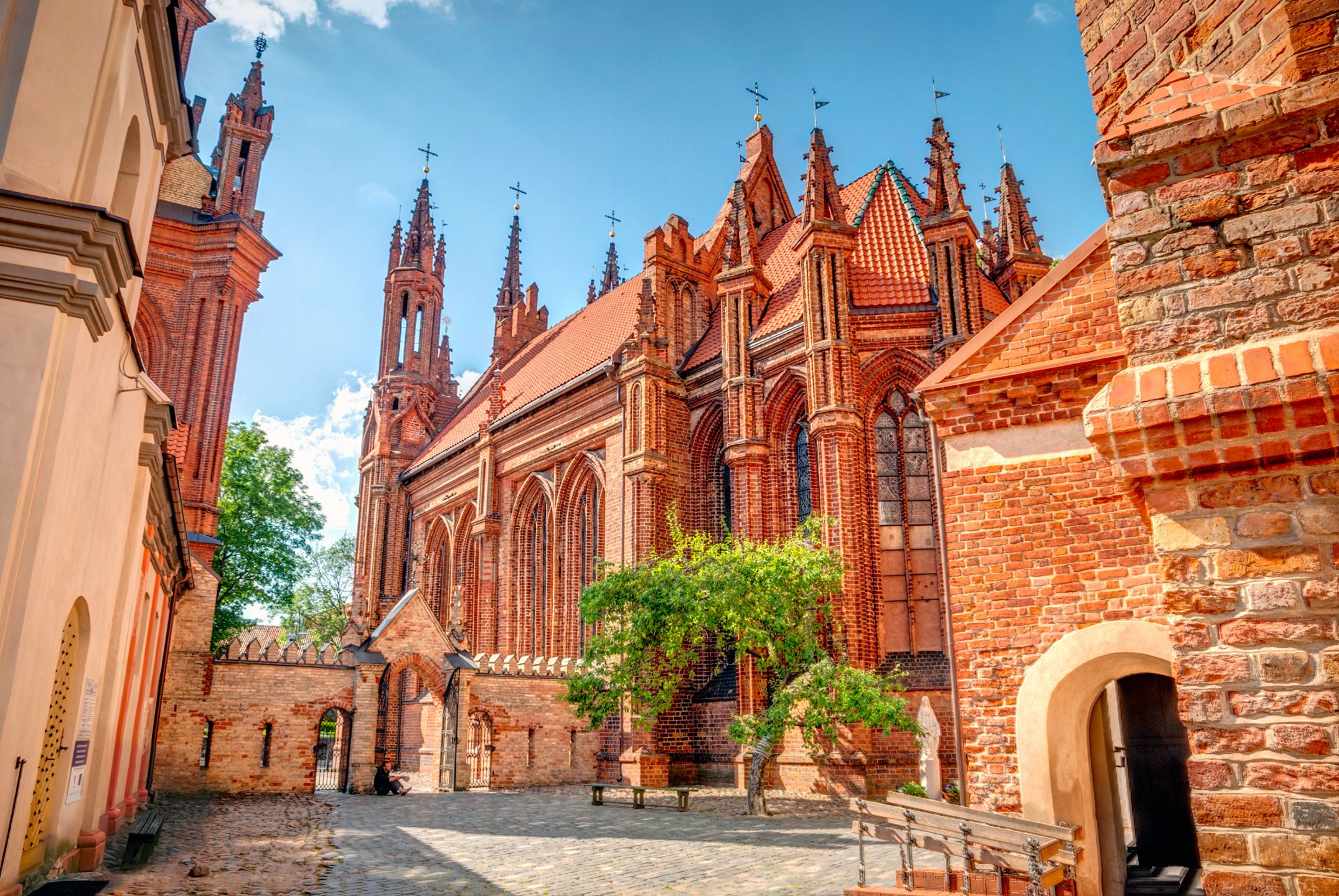
Vilnius Old Town Walking Tour | Private Guide – Nordic Experience
Under Russian Empire and National Awakening (1795–1918)
Lithuania became part of the Russian Empire. Uprisings (1830–1831, 1863–1864) failed; Russification suppressed culture. The 19th-century National Revival revived language and identity via press and literature.
Independence, Interwar Period, and Loss (1918–1940)
Independence declared February 16, 1918. Fought Bolsheviks and Poles; Vilnius seized by Poland (1920). Kaunas provisional capital. Authoritarian rule under Antanas Smetona (1926–1940). Soviet occupation June 1940; mass deportations followed.
Nazi and Soviet Occupations (1941–1990)
Nazi occupation 1941–1944 brought Holocaust devastation (90% of Jews killed). Soviet re-occupation 1944; guerrilla resistance until 1953. Collectivization, industrialization, and Russification marked the Lithuanian SSR.
Singing Revolution and Restored Independence (1988–1991)
Sąjūdis movement and Baltic Way (1989) led to March 11, 1990, independence declaration — first Soviet republic to do so. Soviet crackdown (January 1991) killed 14 in Vilnius. Full recognition after Moscow coup failure (August 1991).
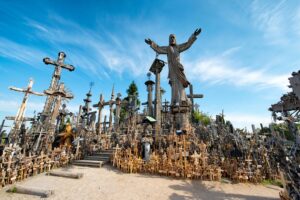
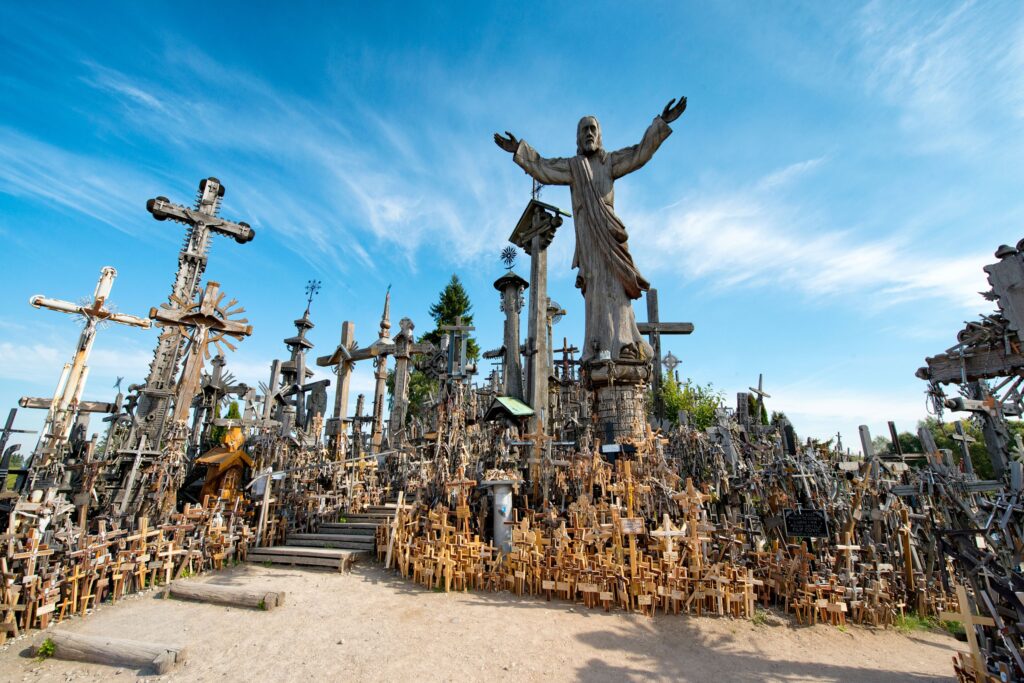
Visit the Hill of Crosses in Lithuania | National Geographic
EU/NATO Era and Modern Lithuania (2004–2026)
Joined NATO/EU 2004; euro 2015. Strong support for Ukraine post-2022 invasion. In 2025–2026, under PM Inga Ruginienė, defense spending hits record 5.38% GDP (highest globally), with major procurements (HIMARS, Black Hawk, air defense). Economy grows ~2.5% projected 2026 amid infrastructure/defense investment. Vilnius remains cultural hub; Lithuania leads eastern flank deterrence.