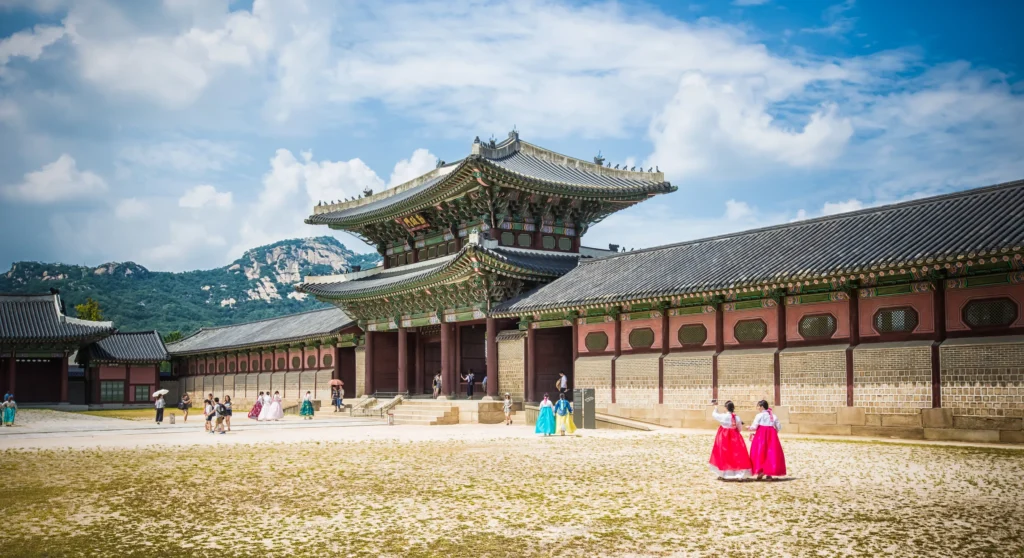
South Korea today stands as one of the world’s most dynamic nations a tech giant, cultural exporter, and democratic success story. But its journey spans over 4,000 years of kingdoms, invasions, war, dictatorship, and breathtaking rebirth. Understanding the history of South Korea reveals how a war-torn peninsula became the 10th-largest economy on Earth. This complete timeline takes you from prehistoric roots to the latest developments in 2026.
Ancient Roots Gojoseon and the Three Kingdoms Period
Korean civilization traces back to the legendary kingdom of Gojoseon (founded traditionally in 2333 BCE), the first state on the Korean Peninsula. By the 1st century BCE, three powerful kingdoms emerged: Goguryeo in the north, Baekje in the southwest, and Silla in the southeast. These “Three Kingdoms” competed fiercely for dominance, blending advanced agriculture, iron technology, and Buddhism.
Silla eventually unified the peninsula in 676 CE with help from Tang China, marking the beginning of unified Korean states. This era laid the cultural and linguistic foundations that still define Korean identity today.
Three Kingdoms of Korea – Alchetron, the free social encyclopedia
Also See : The Hidden History of North Korea From Division to the Kim Dynasty in 2026
The Golden Age of Dynasties Goryeo and Joseon
The Goryeo Dynasty (918–1392) introduced the name “Korea” to the world and perfected celadon pottery while inventing the world’s first metal movable-type printing press in 1234. Mongol invasions in the 13th century weakened the kingdom, paving the way for the Joseon Dynasty (1392–1910).
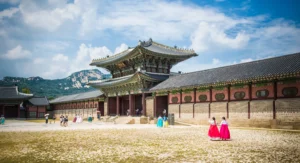
Founded by General Yi Seong-gye, Joseon moved the capital to Hanyang (modern Seoul) and embraced Neo-Confucianism. King Sejong the Great (r. 1418–1450) created Hangul the ingenious Korean alphabet in 1443, dramatically boosting literacy. The Imjin War (1592–1598) against Japan devastated the country but showcased Korean ingenuity, including Admiral Yi Sun-sin’s legendary turtle ships. Joseon’s isolationist “Hermit Kingdom” policy preserved independence until the 20th century.
Japanese Colonial Rule and the Fight for Independence (1910–1945)
Japan formally annexed Korea on 22 August 1910, beginning 35 years of brutal occupation. Koreans lost sovereignty, faced forced assimilation, and endured cultural suppression. The March 1st Movement in 1919 saw millions peacefully protest for independence only to be met with violent crackdowns.
Despite repression, underground resistance and exile governments (including in Shanghai) kept the dream alive. Japan’s defeat in World War II on 15 August 1945 finally ended colonial rule, but it left the peninsula divided along the 38th parallel by the United States and Soviet Union.

Legacies of Empire and Occupation: The Making of the Korean Diaspora in Japan – Asia-Pacific Journal: Japan Focus
Division and the Korean War: Birth of the Republic (1945–1953)
The Republic of Korea (South Korea) was officially proclaimed on 15 August 1948 under President Syngman Rhee. Just two years later, on 25 June 1950, North Korea invaded, triggering the Korean War. United Nations forces (led by the U.S.) and South Korean troops fought back after the dramatic Inchon landing, but Chinese intervention turned the conflict into a bloody stalemate.
The armistice on 27 July 1953 ended active fighting but left the peninsula divided and Seoul in ruins. Over three million people died, yet the war forged South Korea’s fierce anti-communist identity and close alliance with the United States.
The Path to Democracy: Military Rule to the June Democratic Struggle
Syngman Rhee’s authoritarian rule ended in the April Revolution of 1960. A brief democratic Second Republic was overthrown by Park Chung-hee’s military coup in 1961. Park launched aggressive Five-Year Economic Plans that transformed South Korea from one of Asia’s poorest nations into an industrial powerhouse.
His assassination in 1979 led to another military takeover under Chun Doo-hwan. Brutal suppression culminated in the Gwangju Uprising (1980). Public anger exploded in the June Democratic Struggle of 1987, forcing direct presidential elections and the birth of the Sixth Republic.
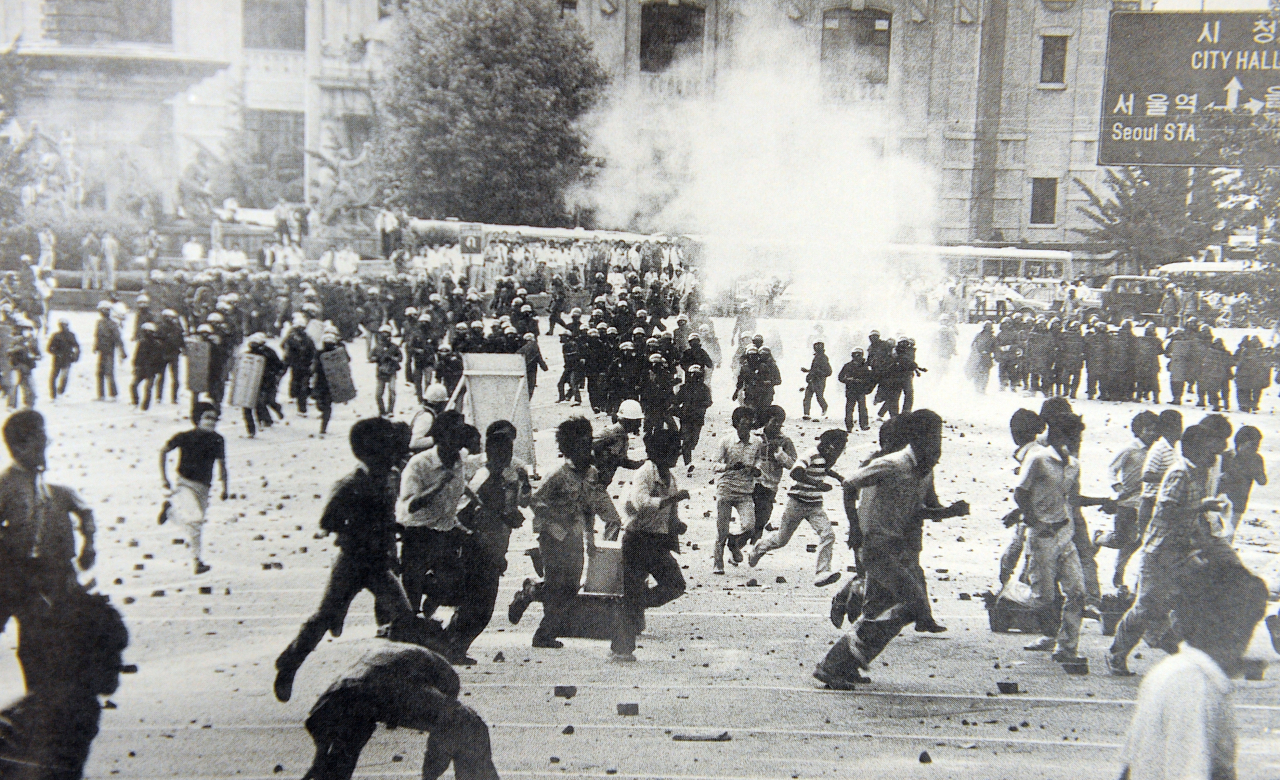
June 1987 Democracy takes root, at least in the Constitution – The Korea Herald
Economic Miracle and the Rise of the Chaebols
Under Park Chung-hee and subsequent leaders, South Korea pursued export-oriented industrialization. Samsung, Hyundai, and LG the mighty chaebols rose from humble beginnings with government support. The 1988 Seoul Olympics showcased the “Miracle on the Han River” to the world. Despite the 1997 Asian Financial Crisis, South Korea recovered rapidly and joined the OECD in 1996.
Contemporary South Korea: Democracy, Hallyu, and Global Leadership (1988–2026)
The Sixth Republic has seen peaceful power transfers, including the first female president Park Geun-hye (impeached 2017) and progressive leaders Kim Dae-jung and Moon Jae-in. The Hallyu (Korean Wave) K-pop, K-dramas, and films turned South Korea into a global cultural superpower.
Today, under President Lee Jae-myung (sworn in June 2025 after Yoon Suk-yeol’s impeachment), South Korea leads in semiconductors, electric vehicles, and pop culture. With the 2024 parliamentary elections and ongoing tech innovation, the nation continues its remarkable trajectory as a beacon of democracy and progress in East Asia.