The Indian turban, known as “Pagri” or “Pagh,” is a traditional headwear that holds deep cultural, religious, and social significance across various regions of India.
Regional Variations
Different regions in India have their own unique styles of turbans. In Rajasthan, brightly colored and large turbans reflect pride and identity, while in Punjab, the turban is an essential part of Sikh culture and religious practice. Each style varies in color, fabric, and tying technique.
Also See : The Tradition of Fasting in Indian Culture
Symbolism and Meaning
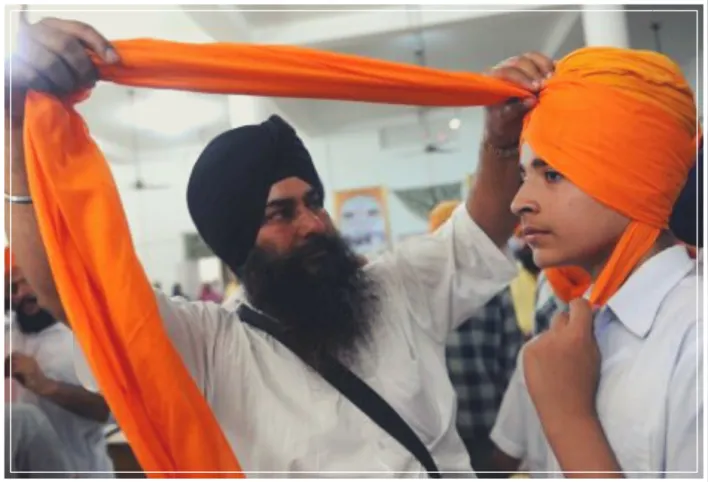
The turban is often associated with honor, respect, and dignity. In many communities, it symbolizes social status, responsibility, and self-respect. For Sikhs, wearing a turban is a religious duty and a symbol of equality and faith.
Role in Ceremonies
Turbans are commonly worn during weddings, festivals, and important social events. In some traditions, tying a turban on someone’s head is a gesture of सम्मान and recognition.
Cultural Significance
The Pagri represents identity, tradition, and pride. It continues to be a powerful cultural symbol that connects individuals to their heritage and reflects the diversity of Indian society.