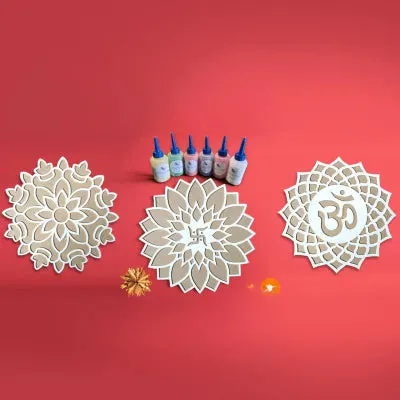
Rangoli is a traditional Indian art form that involves creating intricate patterns on the ground using colored powders, rice, sand, or flower petals. It is commonly seen at the entrances of homes during festivals and special occasions.
History and Traditions
The practice of making Rangoli dates back centuries and is mentioned in ancient texts. It is especially popular during festivals like Diwali, Pongal, and Onam, where it is believed to bring good luck and welcome prosperity into the home.
Also See : The Tradition of Fasting in Indian Culture
Designs and Techniques
Rangoli designs range from simple geometric shapes to complex artistic patterns inspired by nature, mythology, and cultural symbols. The process requires creativity, precision, and patience, often passed down through generations.
Social and Cultural Role
Creating Rangoli is often a communal activity, bringing family members and neighbors together. It encourages artistic expression and strengthens social bonds within communities.
Cultural Significance
Rangoli represents beauty, positivity, and spiritual harmony. It reflects India’s artistic heritage and the importance of celebrating life’s moments with color and creativity, making it a cherished cultural tradition across the country.