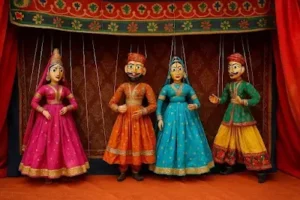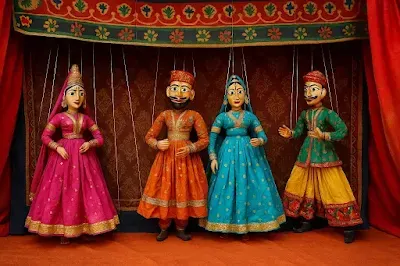
Puppetry is one of the oldest forms of entertainment in India, combining storytelling, art, and performance. Known as “Kathputli” in Rajasthan, this traditional art form has been used for centuries to narrate folklore, myths, and historical tales.
Types of Puppetry in India
India has a wide variety of puppetry styles, including string puppets (Kathputli), shadow puppets, rod puppets, and glove puppets. Each region has its own unique techniques, materials, and storytelling styles, reflecting local culture and traditions.
Performance and Storytelling
Puppetry performances are often accompanied by music, dialogue, and dramatic narration. Skilled puppeteers bring characters to life using intricate movements and expressive voices. These performances are usually held during festivals, fairs, and village gatherings.
Also See : The Tradition of Fasting in Indian Culture
Social and Educational Role
Traditionally, puppetry has been used not only for entertainment but also to spread awareness about social issues, moral values, and cultural stories. It serves as an engaging way to educate audiences of all ages.
Cultural Significance
Indian puppetry is a living tradition that preserves folklore and artistic craftsmanship. Despite modern entertainment, it continues to be an important cultural expression, showcasing the creativity and heritage of Indian communities.