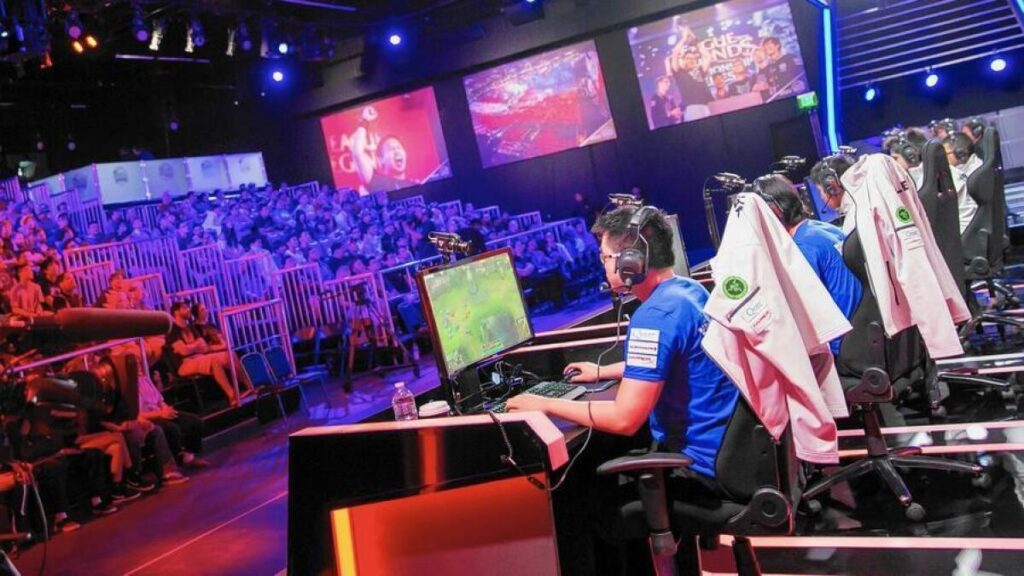
Esports has grown from a small niche hobby into one of the world’s most influential entertainment industries. Competitive gaming now attracts millions of viewers, professional players, global sponsors and major investments. What was once seen as a pastime for hobbyists is now a structured and profitable industry with leagues, tournaments and international recognition. The evolution of esports reflects the changing landscape of entertainment and the increasing importance of digital culture in society.
One of the main reasons esports has become so popular is its accessibility. Traditional sports often require specialized facilities, physical training and team infrastructure. Meanwhile, esports requires only a computer or console and a stable internet connection. This accessibility opens the door for players of all backgrounds to compete and improve their skills. As players progress, they can join amateur competitions, participate in online tournaments and eventually enter professional leagues.
Viewership plays a major role in the growth of esports. Platforms like Twitch, YouTube Gaming and other streaming services have created new spaces for gamers to build communities and share their talent. Esports tournaments attract viewership numbers that rival traditional sports events. Live chats, fan interactions and behind the scenes content create immersive experiences for audiences. The social aspect of gaming also helps build strong fan loyalty, something that sponsors and brands find valuable.
Esports has also created new career paths for young people. Beyond professional players, the industry includes coaches, analysts, commentators, event organizers, content creators and game developers. Universities around the world now offer esports scholarships, while tech companies invest in gaming hardware and performance tools. Esports is no longer simply a recreational activity. It is a legitimate industry with long term career potential.
Another factor behind the popularity of esports is the rapid growth of gaming technology. Better graphics, faster internet speeds and improved devices enhance the gaming experience. Developers continue to create games that prioritize competitive structure, strategy and teamwork. Titles such as League of Legends, Dota 2, Valorant and Counter Strike remain at the forefront of the industry thanks to their balanced gameplay and strong tournament support.
Despite its rapid rise, esports is not free from challenges. The industry faces concerns about player burnout, mental health and sustainable career length. Professional gamers often train for long hours, which can lead to physical strain and stress. Some critics also worry about the commercialization of gaming culture, arguing that the business side can overshadow creativity and community spirit. To address these concerns, organizations are developing better welfare programs, training schedules and educational pathways for young players.
As esports continues to evolve, its influence will extend beyond entertainment. Educational institutions use gaming to teach problem solving, teamwork and strategic thinking. Game based learning has become more common in both classrooms and corporate training programs. Meanwhile, the technology developed for esports, including VR environments and high performance computing, is pushing innovation in other industries as well.
The future of esports looks promising. With continuous investment, expanding audiences and rapidly improving technology, competitive gaming is poised to remain a dominant force in global entertainment. Its blend of strategy, excitement and accessibility ensures that esports will continue to attract new generations of fans and players.