The history of the Bahamas is a captivating tale of indigenous cultures, European exploration, piracy, colonialism, and triumphant independence. This archipelago of over 700 islands and cays in the Atlantic Ocean has evolved from a tranquil paradise inhabited by the Lucayans to a vibrant sovereign nation known for its stunning beaches and rich cultural heritage. Discover the key milestones in Bahamian history that shaped this Caribbean gem.
Pre-Columbian Era: The Lucayan People
Long before European arrival, the Bahamas were home to the Lucayans, a branch of the peaceful Taíno (Arawakan-speaking) people. They migrated from the Greater Antilles (modern-day Cuba and Hispaniola) between 500-800 AD, settling across the islands and relying on fishing, farming, and the ocean for sustenance.
Estimates suggest around 40,000 Lucayans lived in the Bahamas by the late 15th century, with the highest population density in the southern islands. Their society was advanced for the time, featuring intricate pottery, agriculture, and seafaring skills. Tragically, this era ended with European contact.
Christopher Columbus and European Discovery (1492)
Recorded Bahamas history begins on October 12, 1492, when Christopher Columbus made his first landfall in the New World on an island he named San Salvador (likely modern-day San Salvador Island, formerly Watling Island).
Columbus described the shallow seas as “baja mar” (Spanish for shallow sea), which inspired the name “Bahamas.” He encountered the welcoming Lucayans but soon, Spanish explorers enslaved and deported most of them to work in mines on Hispaniola. By the mid-16th century, the indigenous population was nearly wiped out due to enslavement, disease, and hardship.

Colonial Period and Piracy (17th-18th Centuries)
The Bahamas remained largely uninhabited until the mid-17th century. In 1648, English settlers known as the Eleutheran Adventurers (religious refugees from Bermuda) established the first permanent European settlement on Eleuthera.
By 1666, colonization began on New Providence (home to Nassau). The islands became a haven for pirates during the “Golden Age of Piracy,” with infamous figures like Blackbeard using Nassau as a base. In 1718, Britain declared the Bahamas a crown colony and appointed Woodes Rogers as governor to eradicate piracy, offering pardons and restoring order.
The 18th century saw the arrival of British Loyalists after the American Revolutionary War (1783), who brought enslaved Africans to establish cotton plantations. Slavery was abolished in 1834, and many freed Africans settled in the islands, forming the foundation of modern Bahamian demographics (over 90% of Afro-Bahamian descent today).
Economic Booms, Wars, and Challenges (19th-20th Centuries)
The Bahamas experienced economic highs and lows:
- Blockade-running during the U.S. Civil War (1861-1865) brought prosperity.
- Sponge harvesting and rum-running during U.S. Prohibition (1920-1933) boosted the economy but led to crashes when industries collapsed.
During World War II, the islands hosted Allied training bases. Post-war, tourism emerged as a key industry, transforming the Bahamas into a global vacation destination.
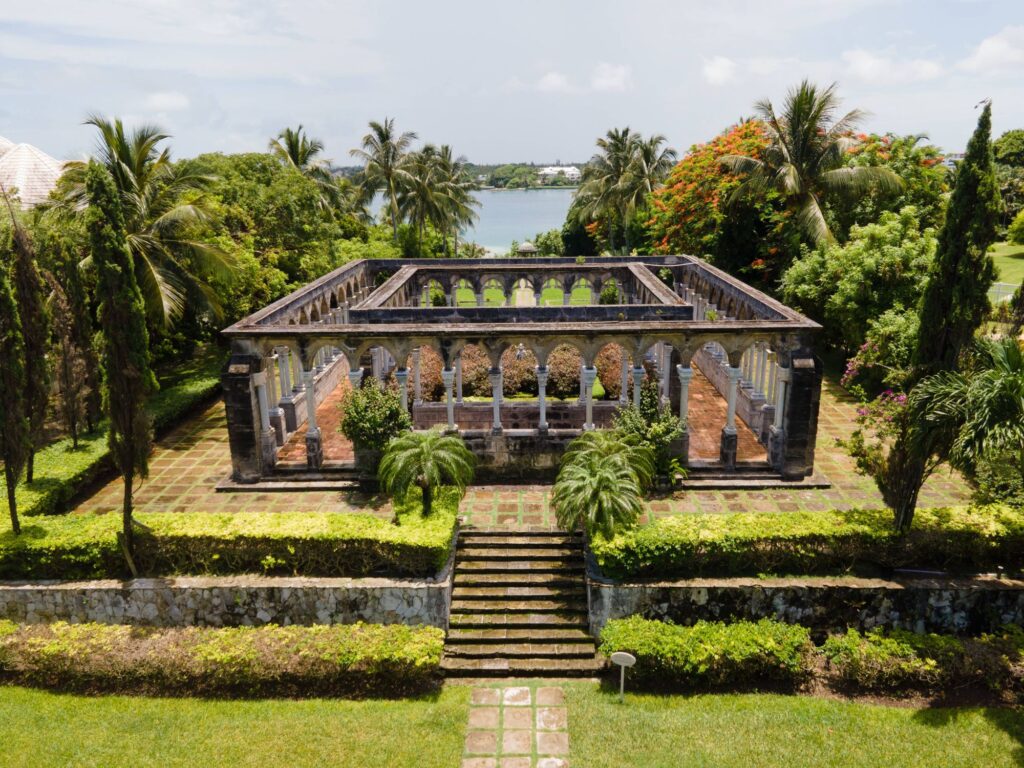
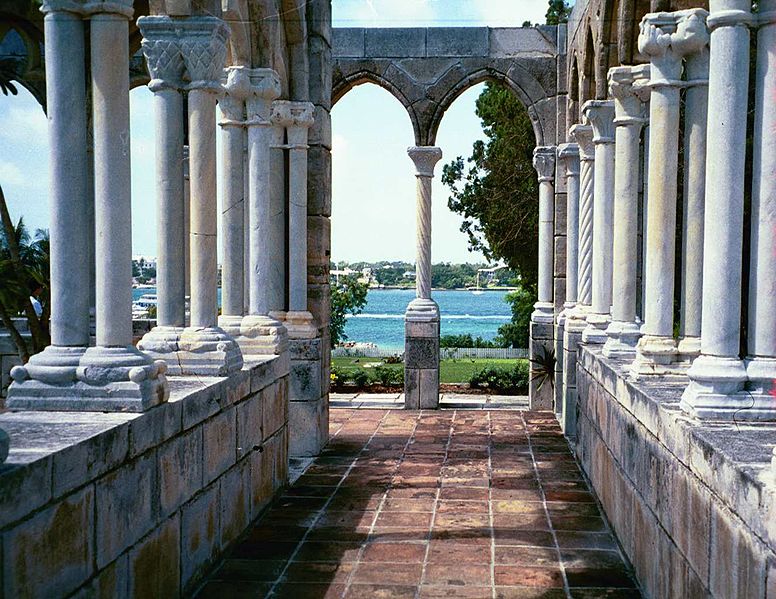
Historical landmarks like the French Cloisters in Nassau and forts remind visitors of this colonial past.
Path to Independence (1973)
The modern era of Bahamas history culminated in independence. Internal self-government was granted in 1964, and in 1967, Lynden Pindling became the first Black Premier under the Progressive Liberal Party (PLP).
On July 10, 1973, the Bahamas achieved full independence from Britain as the Commonwealth of The Bahamas, remaining a member of the Commonwealth of Nations with the British monarch as head of state. Prince Charles (now King Charles III) delivered the independence documents, and July 10 is celebrated annually as Independence Day with parades, Junkanoo festivals, and national pride events.
The Bahamas Today: A Blend of History and Culture
Today, the Bahamas is a thriving parliamentary democracy with Nassau as its capital. Its history influences everything from Junkanoo celebrations (rooted in African traditions) to its world-famous hospitality. Whether exploring pirate forts, Lucayan artifacts, or vibrant festivals, the history of the Bahamas offers endless discoveries for travelers and history enthusiasts.