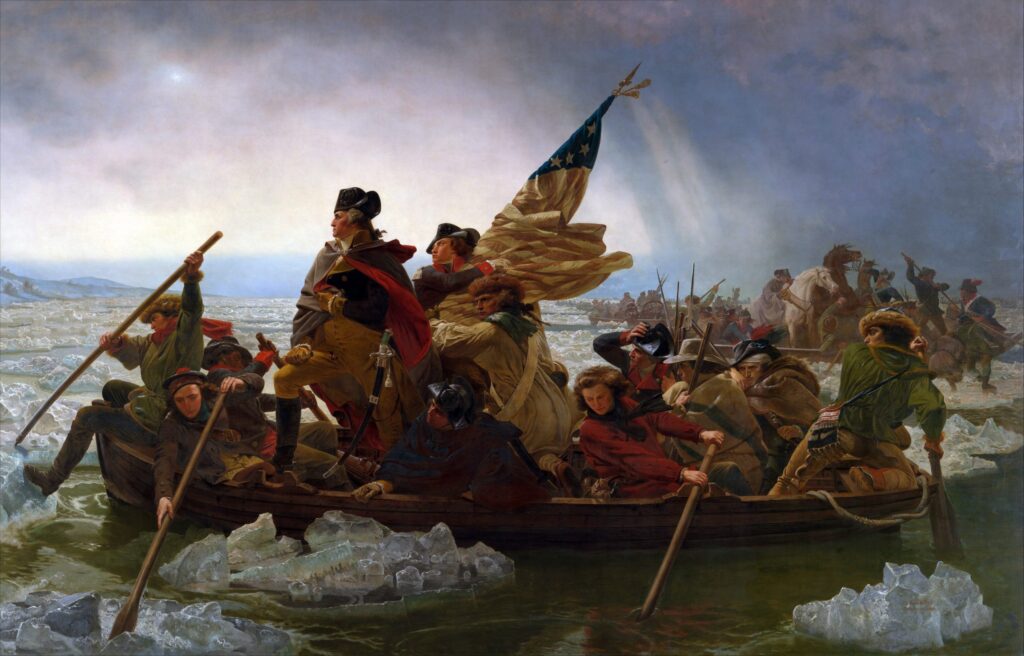
The history of the United States stands as one of the most captivating stories of human ambition, resilience, and innovation. Born from rebellion, shaped by conflict and progress, and rising to unparalleled influence, America’s journey spans centuries of triumphs and challenges. Whether you’re searching for a United States history timeline, key events in American history, or intriguing tales from the past, this exploration will uncover the milestones that defined a nation.
The Birth of a Nation: Colonial Era and the American Revolution
Long before the Stars and Stripes flew high, Native American tribes thrived across the continent for thousands of years. European exploration began in earnest with Christopher Columbus in 1492, followed by settlements from Spain, France, and England.
The pivotal moment came in 1607 with the founding of Jamestown, Virginia the first permanent English colony. By 1620, the Pilgrims arrived on the Mayflower, establishing Plymouth. These 13 colonies grew under British rule, but tensions mounted over taxation without representation.
In 1776, the Declaration of Independence was adopted on July 4, proclaiming freedom from Britain. Led by George Washington, the Revolutionary War (1775–1783) culminated in victory at Yorktown.
Building the Foundations: The Early Republic
In 1787, the U.S. Constitution was drafted, creating a federal republic with checks and balances. George Washington became the first President in 1789, setting precedents for peaceful power transitions.
The young nation expanded westward. The 1803 Louisiana Purchase from France doubled U.S. territory, opening the frontier. Yet, growth brought conflict, including the War of 1812 against Britain.
The American flag has waved through countless historic moments, symbolizing unity amid division.
Division and Reunion: The Civil War Era
The 19th century saw rapid industrialization and westward expansion, but slavery divided the nation. In 1860, Abraham Lincoln’s election sparked secession by Southern states.
The Civil War (1861–1865) became the bloodiest in U.S. history, ending with Union victory and the abolition of slavery via the 13th Amendment. Reconstruction aimed to rebuild, but challenges persisted.
The Age of Innovation and Empire
The late 1800s brought the Gilded Age: railroads, skyscrapers, and inventions like the telephone. Immigration surged, with the Statue of Liberty (dedicated in 1886) welcoming millions as a beacon of hope.
Historic photos of Lady Liberty remind us of America’s role as a land of opportunity.
The U.S. emerged as a world power after the Spanish-American War (1898), entering the 20th century with confidence.
World Wars and the American Century
World War I (1917–1918) saw U.S. intervention tip the scales for the Allies. The Roaring Twenties brought prosperity, crashed by the Great Depression in 1929.
World War II (1941–1945) transformed America into a superpower, with victories in Europe and the Pacific, including the atomic bombings of Japan.
Post-war, the Cold War dominated, marked by the space race. In 1969, NASA’s Apollo 11 achieved the impossible: humans on the moon.
The moon landing remains one of the greatest feats in American history.
Civil Rights, Challenges, and Modern Era
The 1950s–1960s saw the Civil Rights Movement, led by figures like Martin Luther King Jr., ending segregation and advancing equality.
The Vietnam War sparked protests, while the 1980s brought economic boom under Reagan. The 9/11 attacks in 2001 ushered in a new era of global engagement.
Today, the U.S. continues evolving diverse, innovative, and influential.
Did You Know? Fun Facts from U.S. History
- The Liberty Bell has a famous spelling error: “Pensylvania” instead of “Pennsylvania.”
- Theodore Roosevelt kept bear cubs as pets in the White House.
- The Declaration’s most famous signature? John Hancock’s oversized one hence the phrase “put your John Hancock.”