The concept of a workcation has become one of the most interesting lifestyle trends in recent years. A workcation is a combination of work and vacation, allowing professionals to complete their tasks while staying in a relaxing environment. This idea has grown rapidly as remote work becomes more common and companies become more flexible with how their employees manage their schedules. Many workers today no longer feel confined to traditional offices. Instead, they seek opportunities to explore new places while staying productive. This shift reflects a deeper change in how people view work life balance in the digital era.
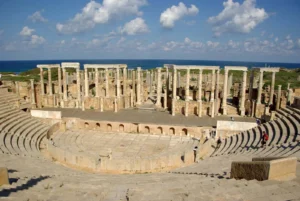
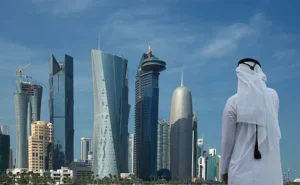
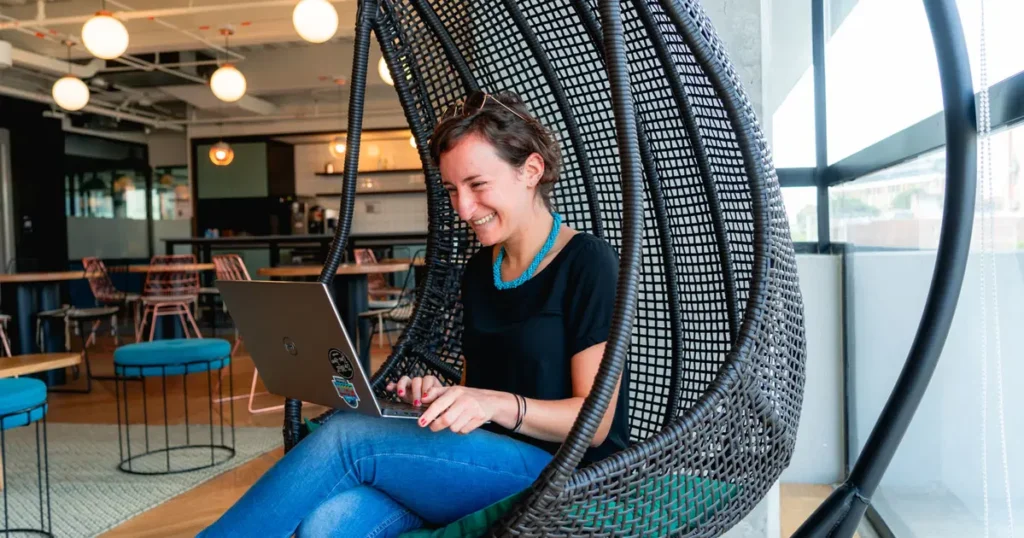
One of the main reasons workcation culture is rising is the flexibility offered by remote jobs. With laptops, portable WiFi and cloud based tools, employees can complete their responsibilities from almost anywhere. This freedom allows workers to choose destinations that inspire creativity, reduce stress or provide a fresh atmosphere. Some prefer quiet beach towns, while others choose vibrant cities or peaceful mountain retreats. The ability to work from such places helps individuals maintain motivation and avoid burnout, especially during long projects or demanding deadlines.
Workcation culture is also closely connected to mental well being. Many professionals feel that a change of environment can significantly improve productivity and mood. Being away from routine can refresh the mind and provide new perspectives. For example, working near the ocean or in a cozy countryside village can help reduce digital fatigue and increase focus. As more people prioritize mental health, workcations are becoming an appealing alternative to traditional vacations, which often require a complete break from work. For those who cannot fully disconnect due to responsibilities, a workcation offers a perfect compromise.
Another factor driving the popularity of workcations is the rise of coworking spaces and digital nomad friendly accommodations. Many hotels, resorts and rental properties now provide reliable internet connections, dedicated work areas and productivity focused amenities. These facilities allow workers to maintain professional performance without sacrificing comfort. Some destinations even offer special packages for digital workers, including long stay discounts, networking events and local cultural activities. This infrastructure has made workcations more convenient and accessible than ever before.
The trend has also influenced company culture. Some organizations now encourage their employees to take workcations as a way to boost creativity and reduce stress. Managers have noticed that employees who work from refreshing locations often return with improved morale, stronger ideas and renewed energy. Although not all industries can adopt this practice, those that rely on digital workflows find workcations easy to integrate into their systems. The trust based approach between employers and remote workers has become an important element in the success of this lifestyle.
Workcations have also shaped the way people plan their travel. Instead of short weekend getaways, many individuals now book extended stays that allow them to balance work and leisure. This longer format gives travelers time to explore local culture, food and attractions without feeling rushed. It also supports local communities, as digital workers contribute to the economy through accommodations, dining and transportation. In some regions, the rising number of digital nomads has transformed local businesses, leading to the development of new services and infrastructure.
Despite the benefits, workcation culture is not without challenges. Maintaining discipline in a vacation like environment requires strong self management. Workers must create boundaries to avoid distractions and ensure that professional obligations are met. Additionally, time zone differences may complicate communication with colleagues or clients. Successful workcations depend on careful planning, from selecting destinations with good internet access to setting realistic work hours. When these factors are managed well, a workcation can be a productive and enjoyable experience.
Looking to the future, workcations may become a standard part of modern work life. As technology continues to advance and remote work grows more widespread, the boundaries between work and travel will continue to evolve. Younger generations, who value flexibility and experiences over traditional office routines, are likely to drive this trend even further. Companies that support this lifestyle may attract top talent who seek freedom, creativity and balance.
In conclusion, the rise of workcation culture reflects a major transformation in how people choose to live and work. By blending productivity with relaxation, workcations offer a practical solution for those who want to maintain performance while exploring new environments. This trend highlights the importance of flexibility, mental well being and purposeful travel in shaping the future of the workforce. For many, a workcation is more than just a temporary escape. It is a new way of experiencing life while staying connected to professional goals.