Bangladesh, a vibrant South Asian nation known for its rich cultural heritage and resilient spirit, has a fascinating history spanning thousands of years. Often referred to as the “Land of Bengal,” the region’s story is one of ancient civilizations, colonial rule, and a hard-fought struggle for independence. This article explores the history of Bangladesh, highlighting key eras, events, and figures that shaped the country we know today.
Ancient Bengal: Kingdoms and Empires
The history of Bangladesh dates back over four millennia, with evidence of early settlements in the fertile Ganges-Brahmaputra delta. Ancient Bengal was home to powerful kingdoms like Vanga, Pundra, and Gangaridai, mentioned in Greek accounts as a formidable force that even deterred Alexander the Great’s advance in 326 BCE.
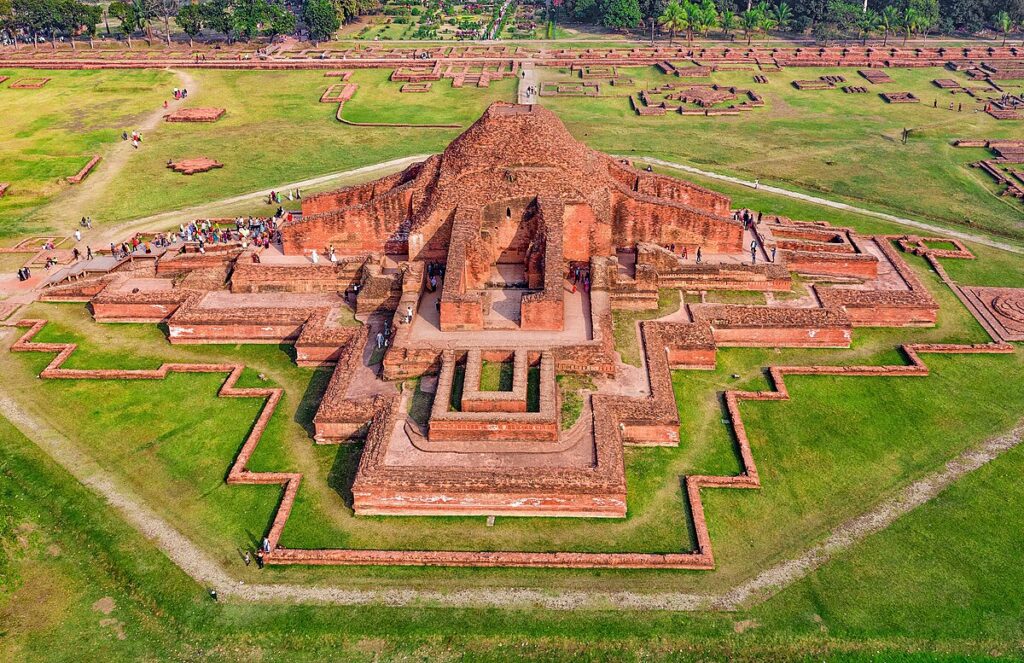
During the Mauryan Empire (4th–2nd century BCE) under Ashoka, the region saw the spread of Buddhism. Later, the Gupta Empire (4th–6th century CE) brought a golden age of art and culture. The Pala Dynasty (8th–12th century), Buddhist rulers, made Bengal a center of learning, with iconic sites like Somapura Mahavihara (Paharpur), a UNESCO World Heritage site.
The Sena Dynasty (11th–13th century) shifted towards Hinduism, but the region’s diverse religious landscape persisted.
Medieval Period: Islamic Influence and Sultanate Rule
Islam arrived in Bengal as early as the 8th century through traders, becoming dominant in the 13th century with conquests by Bakhtiyar Khalji. The independent Bengal Sultanate (1338–1576) flourished as a wealthy trading hub, famous for muslin textiles exported worldwide. Cities like Gaur and Dhaka thrived under rulers who patronized architecture and culture.
In the 16th century, the Mughals incorporated Bengal into their empire, making it one of their richest provinces. Dhaka became a Mughal capital, known for its prosperity.
Colonial Era: British Rule and Partition
British influence began with the Battle of Plassey in 1757, leading to full control by the East India Company. Bengal became the heart of British India, but exploitation caused famines, including the devastating 1770 Great Bengal Famine.
The 1905 Partition of Bengal sparked nationalist movements, later reversed due to protests. In 1947, during India’s partition, Bengal was divided: the eastern part became East Pakistan (part of Pakistan), while the west joined India.
The Road to Independence: The 1971 Liberation War
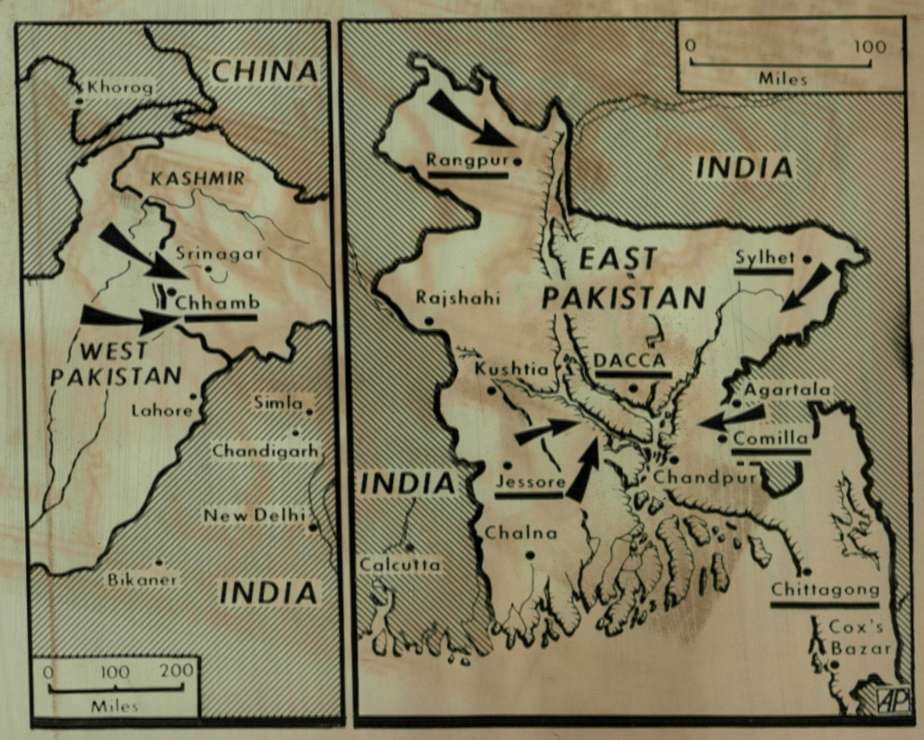
The most pivotal chapter in Bangladesh history is the 1971 Liberation War. Cultural, economic, and political disparities between East and West Pakistan fueled Bengali nationalism. The Awami League, led by Sheikh Mujibur Rahman (Bangabandhu), won a landslide in 1970 elections but was denied power.
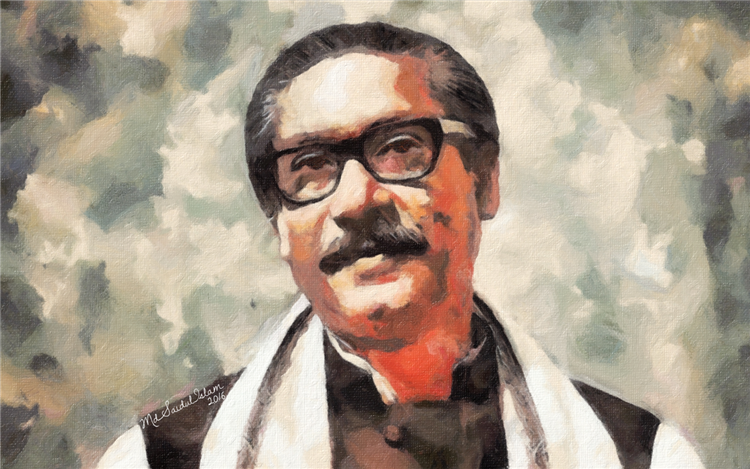
Portrait Of Bangabandhu Sheikh Mujibur Rahman, c.2016 – Md Saidul …
On March 25, 1971, Pakistan launched Operation Searchlight, a brutal crackdown resulting in widespread atrocities. Sheikh Mujibur Rahman declared independence on March 26. The Mukti Bahini (freedom fighters) waged guerrilla warfare, supported by India.
The nine-month war saw millions displaced and immense suffering. Indian intervention in December led to Pakistan’s surrender on December 16, 1971—Victory Day in Bangladesh. An estimated 3 million lives were lost, marking it as one of the 20th century’s bloodiest conflicts.

Modern Bangladesh: Challenges and Progress
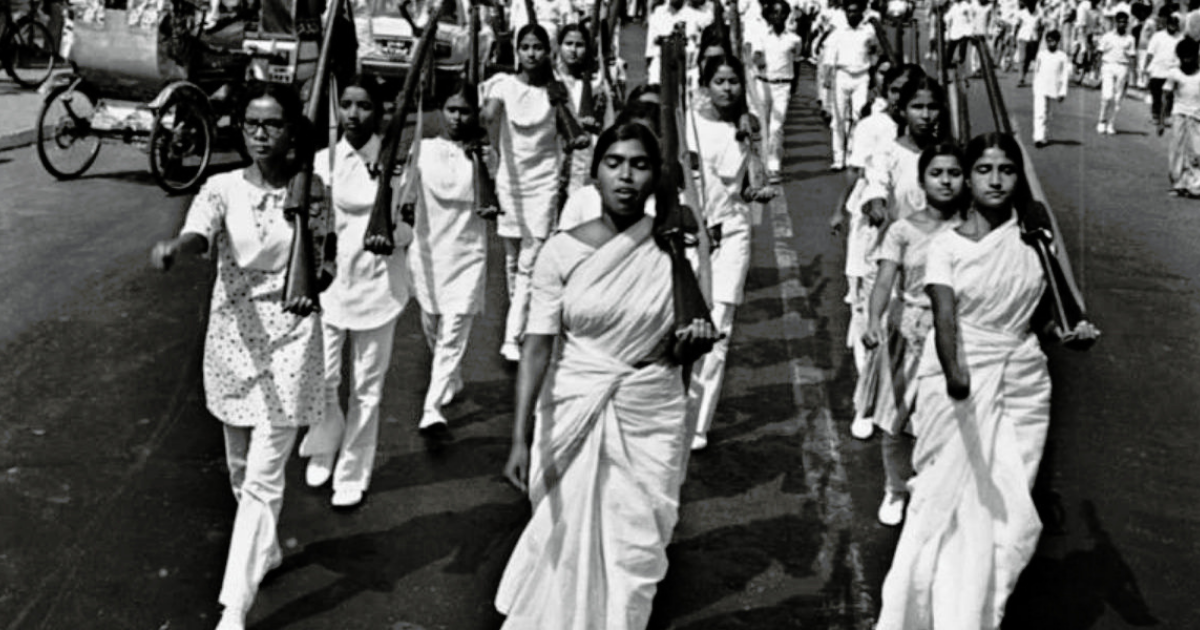
Post-independence, Bangladesh faced reconstruction under Sheikh Mujibur Rahman. Political instability, coups, and military rule followed until democracy was restored in 1991. Leaders like Ziaur Rahman and alternating governments of the Awami League and BNP shaped the nation.
Today, Bangladesh is a rapidly developing economy, known for garments, remittances, and advancements in education and women’s empowerment. Natural disasters and climate challenges persist, but the nation’s resilience shines through.