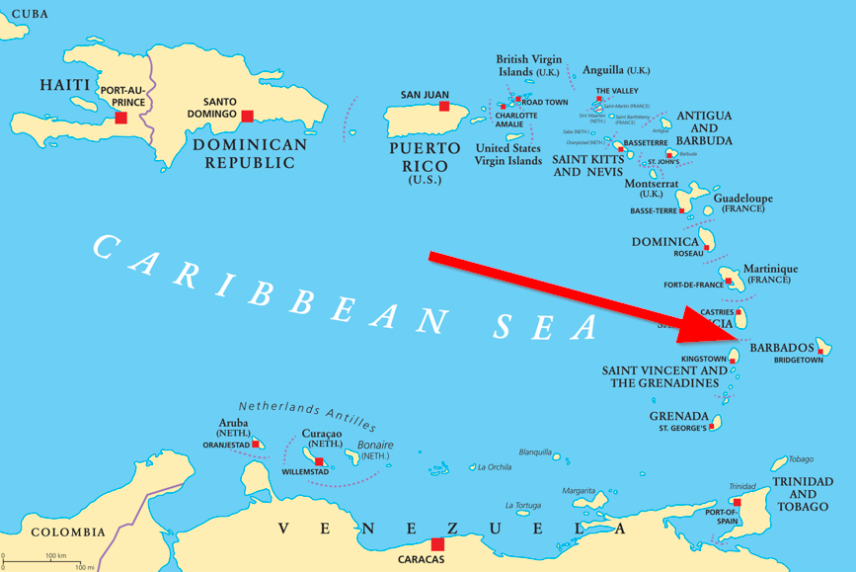
Barbados, a stunning island nation in the eastern Caribbean, is renowned for its pristine beaches, vibrant culture, and resilient history. Often called the “Gem of the Caribbean,” this small country has a rich past shaped by indigenous peoples, European colonization, slavery, and a proud journey to sovereignty. This article delves into the history of Barbados, exploring key periods, events, and figures that define its identity today.
Early Inhabitants: Arawak and Carib Peoples
The history of Barbados begins with its indigenous inhabitants. Archaeological evidence shows that the island was first settled around 1600–1000 BCE by the Saladoid-Barrancoid people from South America. Later, the Arawak (also known as Taíno in other islands) arrived, followed by the Kalinago (Carib) around the 13th century.
Unlike many Caribbean islands, Barbados was reportedly uninhabited when Europeans arrived, possibly due to earlier migrations or conflicts. The name “Barbados” derives from “Los Barbados” (the bearded ones), given by Portuguese explorers in 1536, referring to the island’s bearded fig trees.

Who Were the Arawaks? The Caribbean’s First Inhabitants CulturePop
British Colonization and the Sugar Revolution
English settlers established the first permanent colony in 1627 under Captain John Powell, claiming the island for King James I. The settlement grew rapidly, with Bridgetown founded as the capital.
By the mid-17th century, Barbados transformed into a sugar powerhouse. The introduction of sugarcane from Brazil in the 1640s led to the “Sugar Revolution,” making it one of Britain’s wealthiest colonies. This boom relied heavily on enslaved African labor, with tens of thousands brought to work on plantations. Barbados became the prototype for the brutal plantation system that spread across the Caribbean.

Slavery was abolished in 1834, followed by full emancipation in 1838. The post-emancipation era saw economic challenges but also the rise of a free Black majority.
Path to Independence and Modern Era
Barbados remained a British colony for over 300 years, gaining internal self-government in 1961. On November 30, 1966, it achieved full independence within the Commonwealth, with Errol Walton Barrow as its first Prime Minister—often hailed as the “Father of Independence.”
The independence ceremony marked a peaceful transition, symbolized by the lowering of the Union Jack and raising of the new Barbados flag.
In 2021, Barbados became a republic, removing the British monarch as head of state and installing its first president, Dame Sandra Mason.
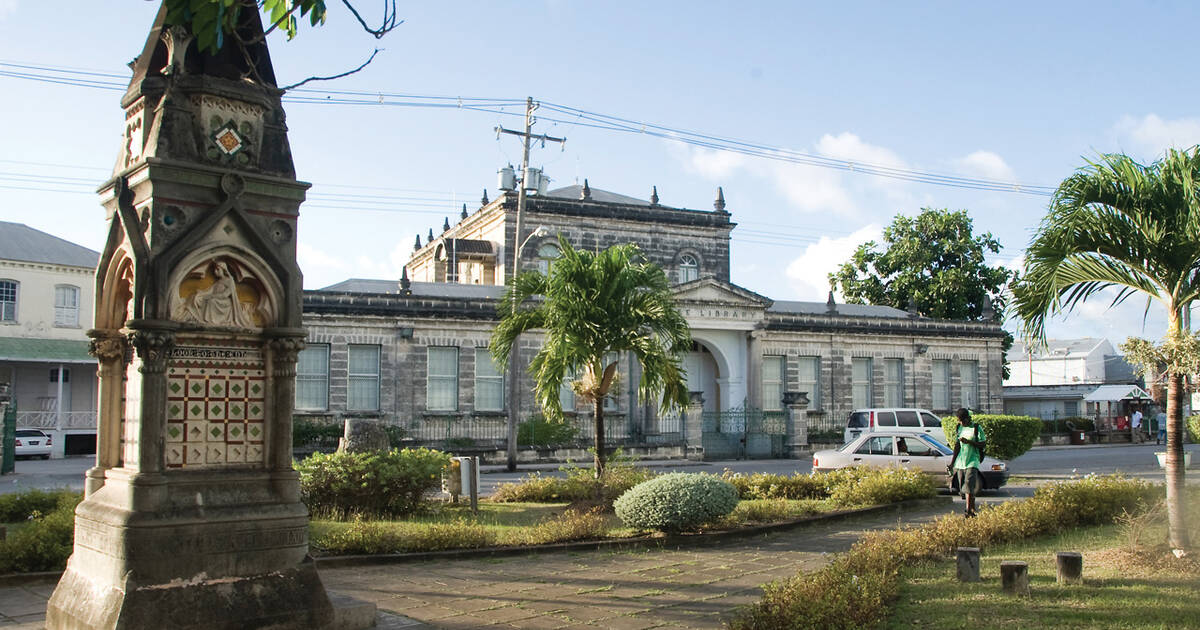
Today, Barbados thrives as a parliamentary democracy with a strong economy based on tourism, financial services, and light manufacturing. Historic Bridgetown and its Garrison, a UNESCO World Heritage Site, preserve colonial architecture and tell stories of the island’s past.

The nation is famous for cultural icons like Rihanna, declared a National Hero, and its passion for cricket, with the iconic Kensington Oval hosting international matches.

The history of Barbados reflects triumph over adversity from the horrors of slavery to becoming a beacon of stability in the Caribbean. Its story of resilience continues to inspire, blending African, European, and indigenous influences into a unique Bajan culture. Discover more about Barbados independence, colonial sites, or its vibrant modern life for an unforgettable journey through time!