Colombia, a vibrant South American country, has a rich history spanning indigenous cultures, Spanish conquest, independence struggles, civil wars, and modern peace efforts. Known for its biodiversity and cultural diversity, its past shaped a resilient nation.
Pre-Columbian Era: Advanced Indigenous Societies
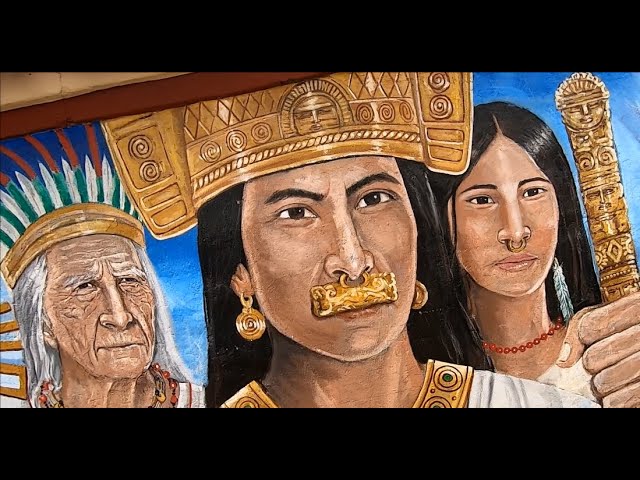
Before Europeans arrived, Colombia was home to sophisticated civilizations. The Muisca (Chibcha) in the Andes created the famous El Dorado legend with gold offerings. They farmed terraces, traded emeralds, and had a complex society.
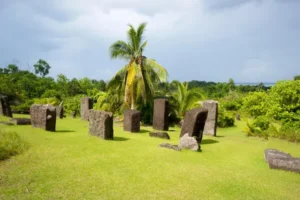
Other groups like the Tayrona built stone cities, while Amazon tribes lived sustainably. Artifacts show advanced metallurgy and astronomy.
Spanish Conquest and Colonial Period (1499–1810)
Christopher Columbus sighted the coast in 1499. Conquest began in 1525 with Santa Marta founding. Bogotá was established in 1538 as the capital of New Granada viceroyalty.
Spain exploited gold and emeralds, enslaving indigenous people and importing Africans. The Inquisition suppressed dissent. By 1800, creole elites grew resentful of Spanish rule.
Path to Independence (1810–1819)
Influenced by the Enlightenment and Napoleon’s invasion of Spain, uprisings began. July 20, 1810, Bogotá declared independence (now Independence Day). Cartagena followed in 1811.
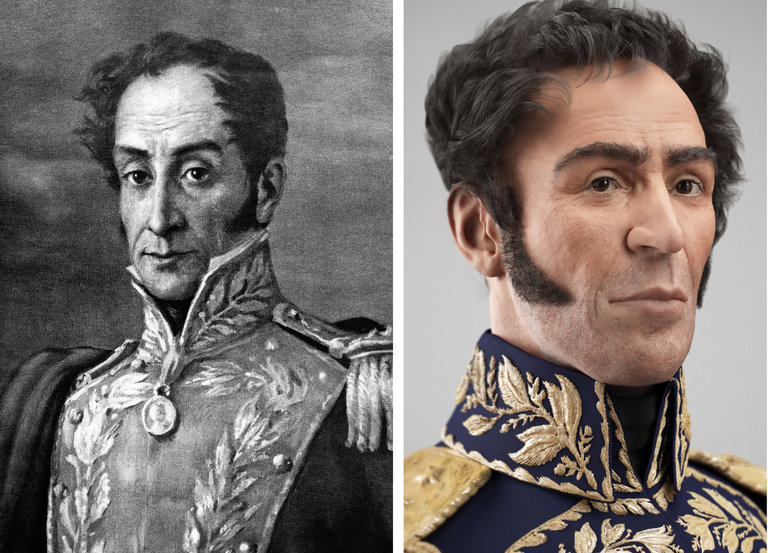
Civil wars ensued until Simón Bolívar, “The Liberator,” led forces. Victory at Boyacá in 1819 secured freedom.
Gran Colombia and Early Republic (1819–1830)
Bolívar formed Gran Colombia with Venezuela, Ecuador, and Panama. The 1821 Cúcuta Constitution established a republic, but tensions led to dissolution in 1830 after Bolívar’s death.
Colombia (with Panama) became New Granada, experimenting with federalism.
19th Century: Civil Wars and Instability
The century saw eight major civil wars between Liberals (federalist, secular) and Conservatives (centralist, Catholic). The War of a Thousand Days (1899–1902) killed 100,000 and led to Panama’s separation in 1903.
The 1886 Constitution centralized power under Conservatives.
La Violencia and Armed Conflict (1948–1960s)
Assassination of liberal leader Jorge Eliézer Gaitán in 1948 sparked La Violencia, killing over 200,000. Guerrilla groups like FARC (1964) and ELN formed, inspired by communism.
Drug cartels rose in the 1970s–1990s, with Pablo Escobar’s Medellín cartel fueling violence.
Modern Era: Peace and Challenges (1990s–Present)
The 1991 Constitution promoted rights and decentralization. Peace talks with FARC culminated in 2016 accords, ending 52 years of conflict, though dissidents remain.
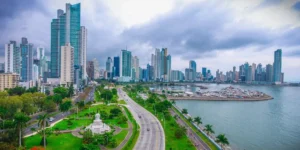
Colombia democratized, grew economically, and became a biodiversity hotspot. Bogotá transformed into a modern metropolis.
Key Figures and Legacy
Bolívar dreamed of unity; Santander built institutions. Modern leaders like Juan Manuel Santos (Nobel Peace Prize 2016) advanced reconciliation.
Today, Colombia faces inequality and climate issues but thrives in coffee, emeralds, and tourism.