Kenya, a vibrant East African nation straddling the equator, is renowned for its stunning landscapes, diverse wildlife, rich cultural heritage, and pivotal role in the continent’s independence movements. From prehistoric human origins to its emergence as a dynamic republic, Kenya’s history is a story of resilience, innovation, and natural beauty.
Prehistoric Roots: Birthplace of Humanity
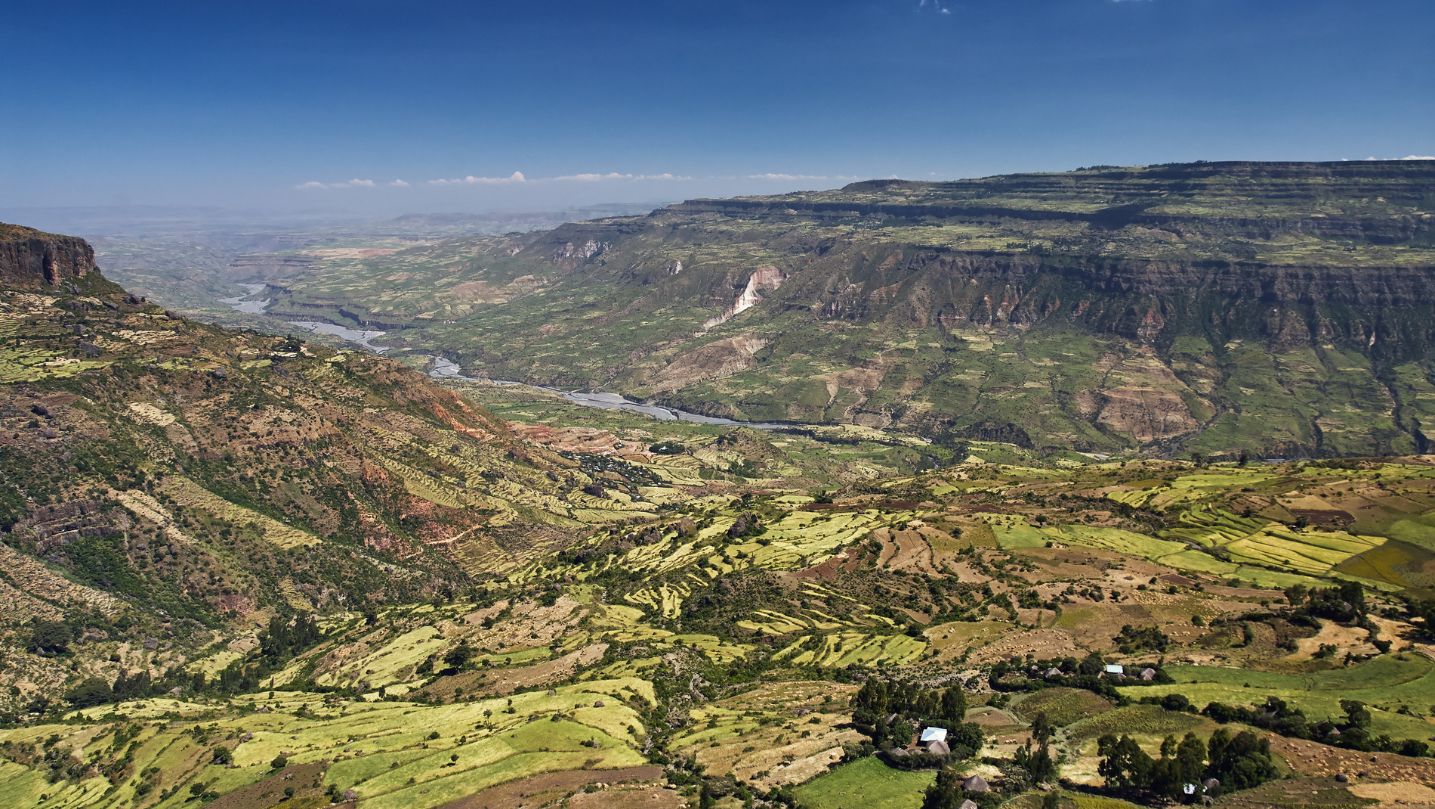
Kenya is part of the Great Rift Valley, often called the “Cradle of Mankind.” Fossil discoveries in sites like Olduvai Gorge (near the border) and Koobi Fora reveal some of the earliest hominid remains, dating back millions of years. Early human ancestors walked these lands long before recorded history.
The dramatic Great Rift Valley landscape, a defining feature of Kenya’s geography:

Kenya’s majestic Mount Kenya, Africa’s second-highest peak and a sacred site for many communities:
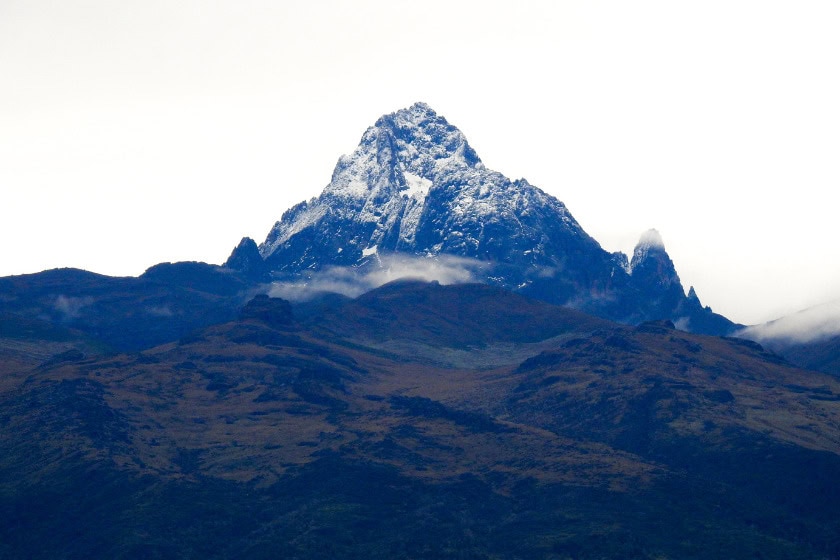
When to Go to Mount Kenya National Park – Discover Africa
Ancient and Pre-Colonial Era: Diverse Kingdoms and Trade
Before European arrival, Kenya was home to diverse ethnic groups including the Bantu, Nilotic, and Cushitic peoples. Coastal city-states like Mombasa, Malindi, and Lamu thrived as part of the Swahili civilization, engaging in Indian Ocean trade with Arabs, Persians, Indians, and later Portuguese explorers from the 15th century.
Inland, pastoralist communities like the Maasai maintained nomadic traditions centered on cattle herding and warrior culture.
Traditional Maasai warriors in their iconic red shuka clothing, symbolizing Kenya’s living cultural heritage:
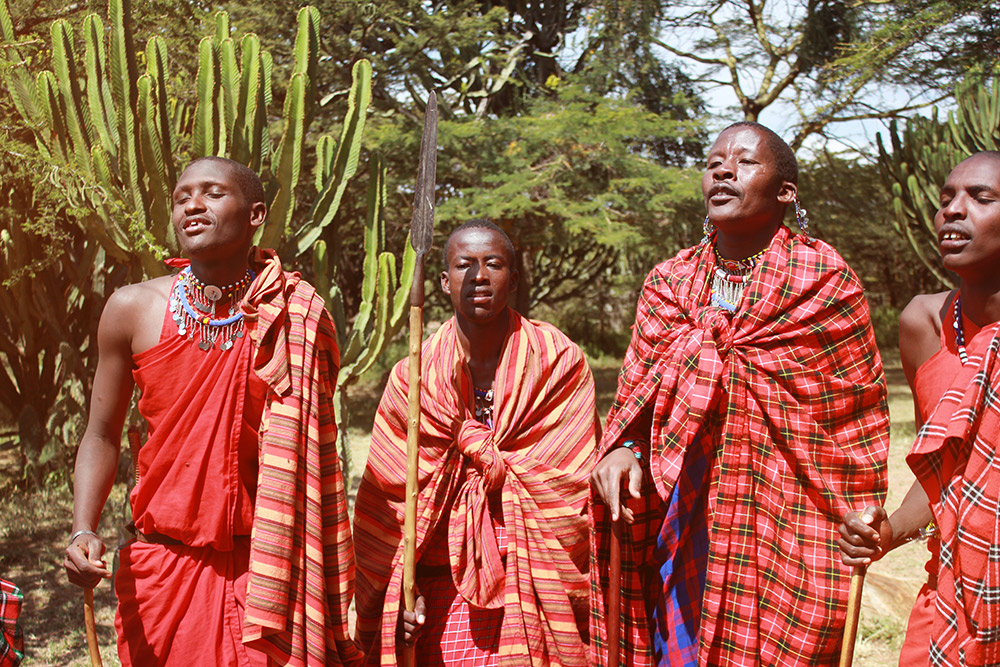
The Maasai Shuka Cloth: A Cultural Story | G Adventures
Colonial Period: British Rule and the Struggle for Freedom
European colonization began in the late 19th century. In 1895, Britain established the East Africa Protectorate, later renamed the Kenya Colony in 1920. Large-scale white settler farming displaced indigenous communities, particularly in the fertile “White Highlands.”
Resistance grew, culminating in the Mau Mau Uprising (1952–1960), a guerrilla war against British rule led by the Kenya Land and Freedom Army. The colonial response was brutal, but the uprising accelerated the push for independence.
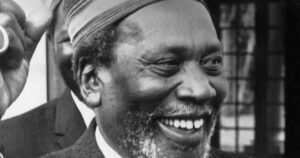
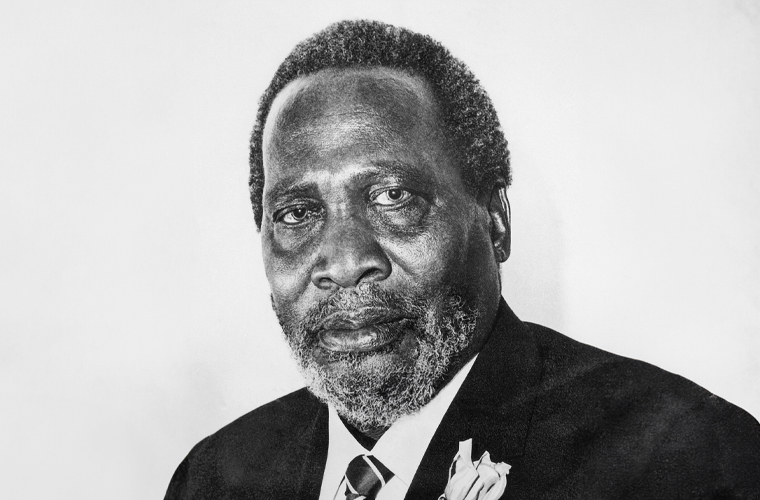
Jomo Kenyatta, the iconic leader of the independence movement and Kenya’s first president:
Independence and the Modern Republic
Kenya gained independence on December 12, 1963, with Jomo Kenyatta as its first prime minister (later president until 1978). The country became a republic in 1964. Under Kenyatta and his successor Daniel arap Moi (1978–2002), Kenya experienced economic growth but also one-party rule and political repression.
Multi-party democracy returned in the 1990s, leading to the 2002 peaceful transition of power. The 2007–2008 post-election violence highlighted ethnic tensions, but reforms followed, including a new constitution in 2010 that devolved power and strengthened rights.
Today, Kenya is a regional economic hub, known for its tech innovation (“Silicon Savannah”), tourism, and agriculture.
The bustling modern skyline of Nairobi, Kenya’s vibrant capital and East Africa’s largest city:
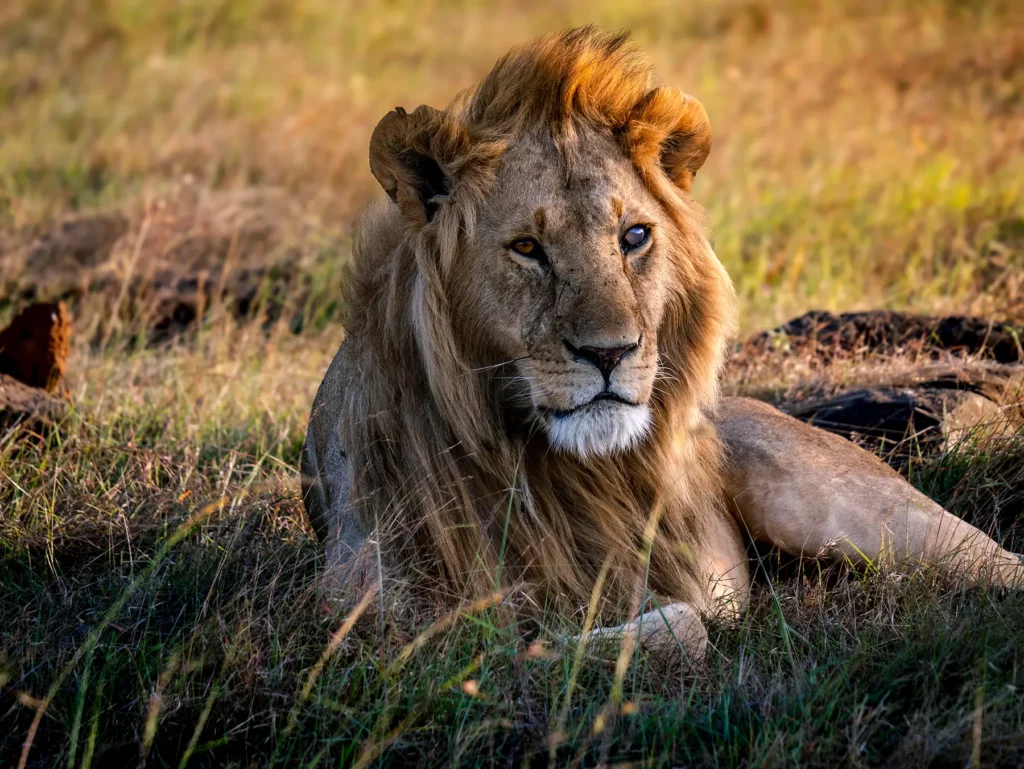
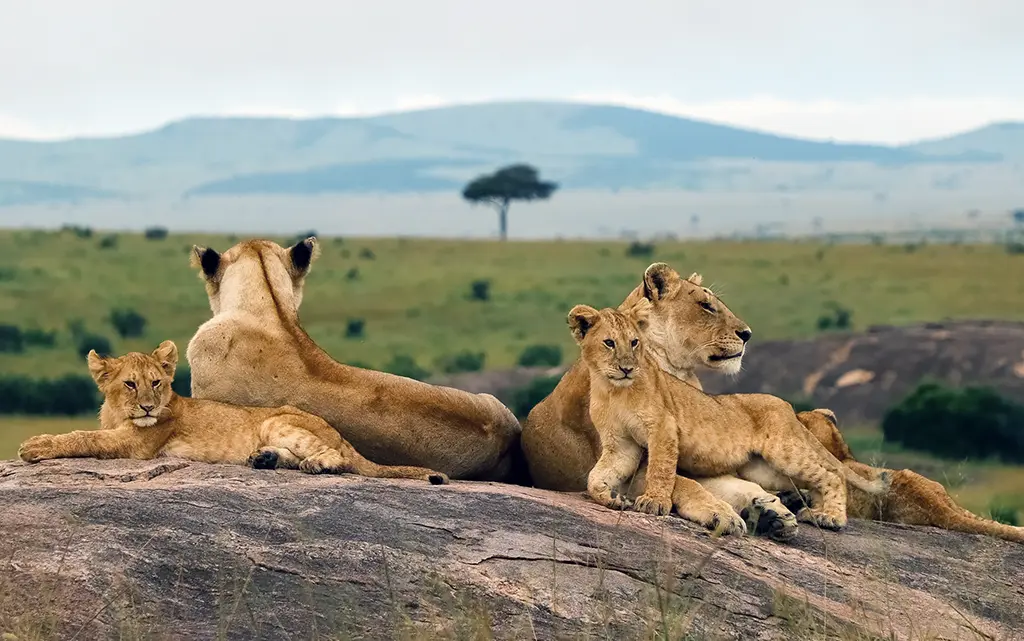
Kenya’s world-famous wildlife, exemplified by the lions of the Maasai Mara during the great migration:
Kenya Today A Land of Diversity and Promise
With over 40 ethnic groups, stunning national parks, coastal beaches, and a youthful population, Kenya continues to blend ancient traditions with modern aspirations. Challenges like climate change, inequality, and political stability persist, but its entrepreneurial spirit and natural wonders make it a standout African nation.