Luxembourg, a small landlocked country nestled between Germany, France, and Belgium, boasts a remarkably rich and turbulent history spanning over a thousand years. Often called the “Gibraltar of the North” due to its strategic fortress, Luxembourg has survived conquests, occupations, and major European conflicts to emerge as a prosperous modern state and a key player in the European Union.
If you’re searching for the origins of Luxembourg, its path to independence, or how this tiny Grand Duchy became a global financial powerhouse, this comprehensive guide covers the essential milestones.
The Founding of Luxembourg: 963 AD – The Birth of a Nation
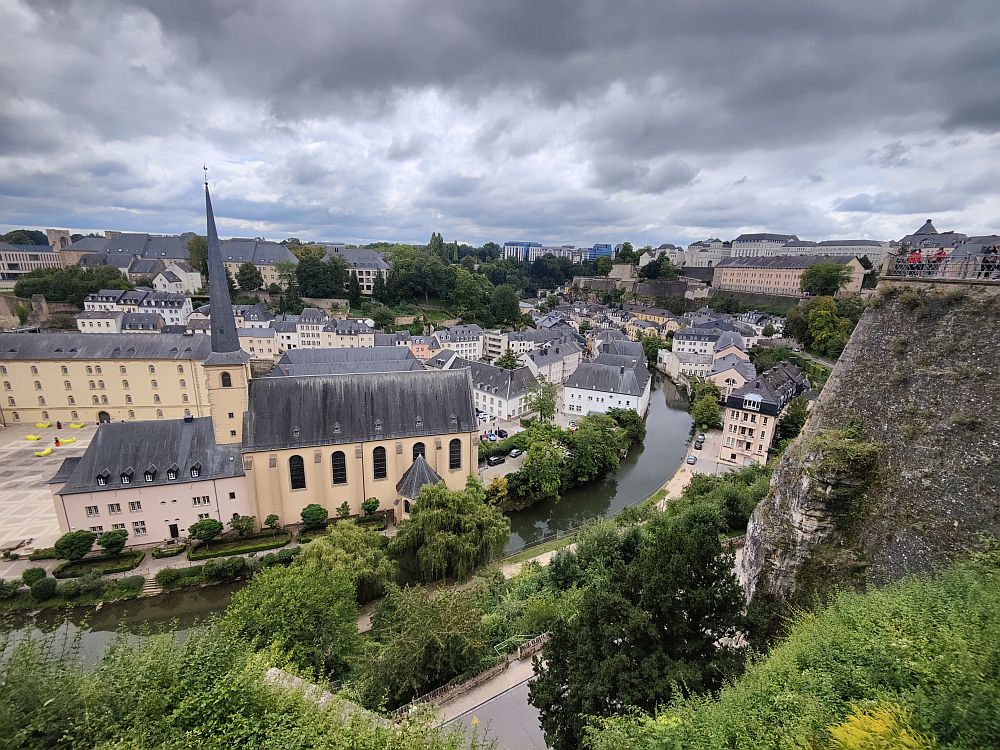
The recorded history of Luxembourg begins in 963, when Count Siegfried (Sigefroi) of the Ardennes acquired a small rocky promontory overlooking the Alzette River from the Abbey of St. Maximin in Trier. The site, known as Lucilinburhuc (“little fortress” in Old Saxon), became the foundation of Luxembourg City and the entire country.
- Siegfried built a castle on the Bock promontory, marking the symbolic birth of Luxembourg.
- His descendants expanded the territory through marriages, conquests, and inheritances.
By around 1060, Conrad became the first to officially use the title Count of Luxembourg, establishing the County as a recognized entity within the Holy Roman Empire.
The Golden Age: The House of Luxembourg (13th–15th Centuries)
The House of Luxembourg rose to prominence in the 14th century, producing several Holy Roman Emperors and Kings of Bohemia:
- 1308 – Henry VII (Henry of Luxembourg) elected Holy Roman Emperor.
- 1346 – Charles IV (grandson of Henry VII) becomes Emperor and elevates Luxembourg to a Duchy in 1354.
- The dynasty provided four emperors and significant influence across Central Europe.
This era represented Luxembourg’s greatest political power before centuries of foreign rule.
Centuries of Foreign Domination (15th–19th Centuries)
After the House of Luxembourg died out, the Duchy passed through powerful hands:
- 1443 – Conquered by Philip the Good, Duke of Burgundy.
- 1477 → Habsburg control (through marriage).
- 1555–1713 – Spanish Netherlands period.
- 1713–1795 – Austrian Habsburg rule.
- 1795–1814 – Annexed by Revolutionary and Napoleonic France (as part of the French département des Forêts).
Luxembourg’s strategic fortress made it a constant prize in European power struggles.
Path to Independence: 19th Century Milestones
Modern Luxembourg emerged from the chaos following the Napoleonic Wars:
- 1815 – Congress of Vienna creates the Grand Duchy of Luxembourg in personal union with the Netherlands (King William I also becomes Grand Duke) and joins the German Confederation (with Prussian garrison in the fortress).
- 1830–1839 – Belgian Revolution; Luxembourg partially joins the uprising.
- 1839 – First Treaty of London recognizes Luxembourg’s borders (losing western territories to Belgium) and establishes it as a Grand Duchy under Dutch rule.
- 1867 – Second Treaty of London guarantees full independence and perpetual neutrality after the “Luxembourg Crisis.” The fortress is dismantled, ending its military role.
1890 – Death of King William III of the Netherlands; the personal union ends, and Luxembourg gains its own ruling line under the House of Nassau-Weilburg (still reigning today).
20th Century: Occupations, Neutrality, and European Integration
Despite declared neutrality, Luxembourg suffered greatly:
- 1914–1918 – Occupied by Germany during World War I.
- 1940–1944 – Nazi occupation in World War II; severe repression and forced Germanization.
- Post-1945 – Abandons neutrality, joins NATO (1949) and becomes a founding member of the Benelux Union (1944), the European Coal and Steel Community (1951), and later the European Union.
These steps transformed Luxembourg into a central hub for European institutions, including the European Court of Justice and European Investment Bank.
Modern Luxembourg: From Steel to Global Finance
In the 20th century, Luxembourg shifted from iron and steel production to become one of the world’s leading financial centers, known for banking secrecy, investment funds, and a high standard of living.
Today, the Grand Duchy remains a constitutional monarchy under the Grand Duke (currently Henri), with three official languages (Luxembourgish, French, and German**) reflecting its position at the crossroads of Europe.
Key Timeline of Luxembourg History
- 963 – Siegfried acquires Lucilinburhuc; founding of Luxembourg.
- 1354 – Elevated to Duchy.
- 1815 – Congress of Vienna creates Grand Duchy.
- 1839 – Treaty of London defines modern borders.
- 1867 – Full independence and neutrality guaranteed.
- 1890 – End of Dutch personal union.
- 1949 – Joins NATO.
- 1957 – Founding member of the European Economic Community (predecessor to EU).
Luxembourg’s story is one of resilience: a small territory that turned strategic vulnerability into enduring independence and prosperity.
Whether you’re planning a visit to Luxembourg City’s UNESCO-listed fortifications or researching European history, understanding this journey reveals why the Grand Duchy remains a unique gem in the heart of Europe.