Nestled in southeastern Africa, Malawi often called the “Warm Heart of Africa” for its friendly people is a landlocked nation bordered by Tanzania, Zambia, and Mozambique. Famous for Lake Malawi (the third-largest lake in Africa and a UNESCO World Heritage site), the country boasts a rich history shaped by ancient migrations, powerful empires, colonial struggles, and a resilient path to independence. If you’re exploring the origins of Malawi, its colonial past under British rule (as Nyasaland), or its modern challenges and triumphs, this comprehensive guide dives into the key eras.
From prehistoric settlements to its role in the African independence movement, Malawi’s story reflects broader themes of African history, including trade, resistance, and nation-building.
Prehistoric and Early Settlements (Millions of Years Ago – 15th Century)
Malawi’s human history stretches back millions of years:
- Fossil evidence, including a hominid jawbone dated to around 2.3–2.5 million years old, indicates early human ancestors in the region.
- Around 50,000–60,000 years ago, early humans inhabited areas near Lake Malawi, with remains from 8000 BCE showing traits similar to peoples in the Horn of Africa.
- By 1500 BCE, remains resemble the San people, who may have created rock paintings in places like Chencherere and Mphunzi.
According to oral traditions, the first inhabitants were dwarf archers known as Akafula or Akaombwe. Bantu-speaking peoples arrived between the 1st and 4th centuries CE, introducing ironworking and slash-and-burn agriculture. A second wave from the 13th–15th centuries assimilated earlier groups, setting the stage for organized societies.
Islam arrived via Swahili traders from the east coast in the 7th–9th centuries, influencing coastal areas like Nkhotakota by the 1860s.
The Maravi Empire and Pre-Colonial Kingdoms (15th–19th Centuries)
By the 15th century, the region was dominated by the Maravi Empire (also spelled Maravi or Malawi), a powerful Bantu confederation:
- Founded by the Chewa people around the southern end of Lake Malawi in the 16th century, it spanned modern-day Malawi, Mozambique, and Zambia.
- The empire thrived on trade in ivory, gold, and slaves with Portuguese merchants on the coast.
- Other groups like the Yao established empires near Blantyre and Zomba.
Swahili traders set up lakeside posts, linking to Zanzibar. This era saw a blend of African traditions, including matrilineal societies among the Chewa.
European Exploration and Colonial Rule (19th–Mid-20th Century)
European involvement began with explorers and missionaries:
- In 1859, Scottish explorer David Livingstone reached Lake Malawi (which he called Lake Nyasa), turning up the Shire River after failing on the Zambezi.
- His reports sparked missionary interest; Scottish Presbyterians established stations, combating the slave trade.
- By 1891, Britain declared the British Central Africa Protectorate (later Nyasaland in 1907), drawing borders amid the Scramble for Africa.
Colonialism brought plantations, forced labor, and resistance:
- In 1915, John Chilembwe led an uprising against exploitative policies, marking early nationalism.
- From 1953–1963, Nyasaland joined the Federation of Rhodesia and Nyasaland with Northern and Southern Rhodesia, opposed by locals for favoring white settlers.
Path to Independence (1950s–1964)
Nationalism surged post-World War II:
- The Nyasaland African Congress (later Malawi Congress Party, MCP) formed in 1944, led by figures like Hastings Kamuzu Banda.
- Banda returned from exile in 1958, mobilizing for independence amid the “Wind of Change” in Africa.
- Protests and the 1959 state of emergency fueled the push; the federation dissolved in 1963.
Malawi gained independence on July 6, 1964, as a constitutional monarchy under Queen Elizabeth II, with Banda as prime minister.
Post-Independence Era: Authoritarianism to Democracy (1964–Present)
- 1966: Malawi became a republic and one-party state under President Banda, who ruled autocratically until 1994.
- Banda’s regime emphasized agriculture, infrastructure, and ties with apartheid South Africa, but suppressed dissent.
Multiparty democracy arrived amid economic woes and protests:
- In 1994, Bakili Muluzi won the first multiparty elections, ending Banda’s rule.
- Subsequent presidents included Bingu wa Mutharika (2004–2012), Joyce Banda (2012–2014), Peter Mutharika (2014–2020), and current President Lazarus Chakwera (since 2020).
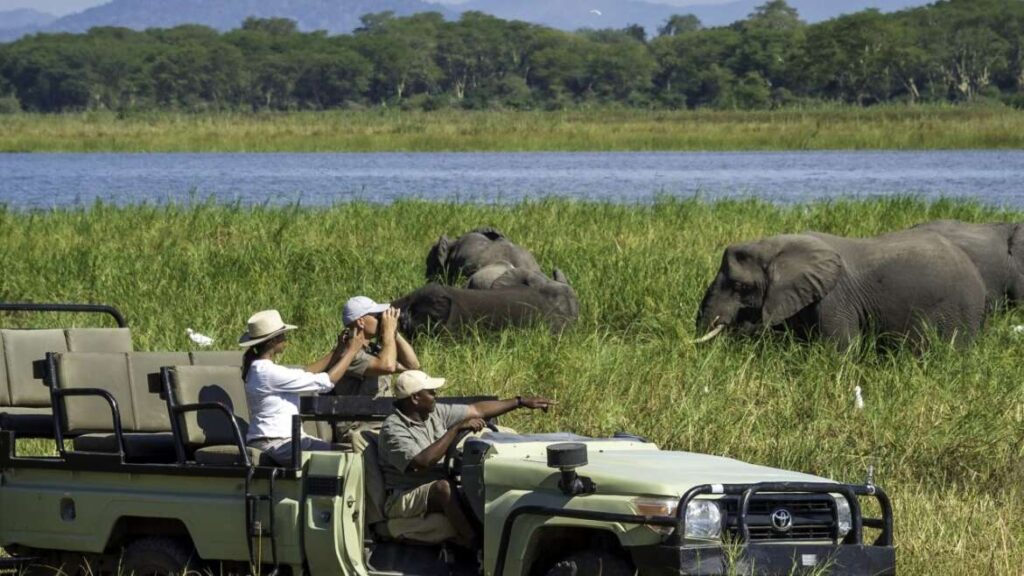
Today, Malawi faces challenges like poverty, climate change, and health issues (e.g., HIV/AIDS), but thrives on tourism, tobacco exports, and its stunning landscapes.
Key Timeline of Malawi History
- ~2.5 MYA: Earliest hominid remains.
- 13th–15th Centuries: Bantu migrations and Maravi Empire rise.
- 1859: David Livingstone explores Lake Nyasa.
- 1891: British Central Africa Protectorate established.
- 1915: Chilembwe Uprising.
- 1953: Federation of Rhodesia and Nyasaland formed.
- July 6, 1964: Independence as Malawi.
- 1966: Becomes a republic under Banda.
- 1994: Multiparty democracy established.
- 2020: Lazarus Chakwera elected president.
Malawi’s history is a testament to endurance: from ancient lakeside villages to a vibrant democracy. Whether visiting Lake Malawi’s beaches or learning about its freedom fighters, this “Warm Heart” offers timeless lessons in African resilience.