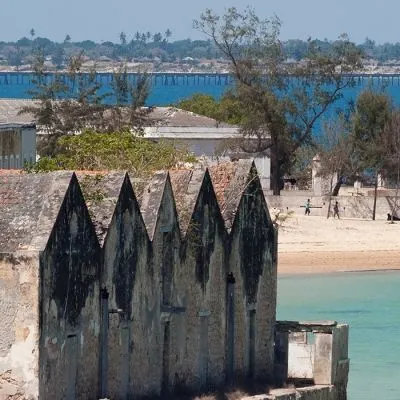
Mozambique is a Southeast African nation with a rich and complex history shaped by ancient trade, colonial rule, and a long struggle for independence. Located along the Indian Ocean, Mozambique has long served as an important connection between Africa, the Middle East, and Asia.
Early Civilizations and Coastal Trade
Long before European arrival, Mozambique was inhabited by Bantu-speaking communities who practiced farming, fishing, and trade. By the first millennium, coastal settlements had become active trading centers connected to the Indian Ocean trade network.
Also See : Unveiling the Sands of Time The Enigmatic History of Mauritania
Arab and Swahili merchants frequently visited these ports, exchanging goods such as gold, ivory, and spices with local communities.
Portuguese Exploration and Colonial Rule
In 1498, Portuguese explorer Vasco da Gama arrived along the Mozambican coast during his historic voyage to India. Soon after, Portugal established trading posts and gradually took control of the region.
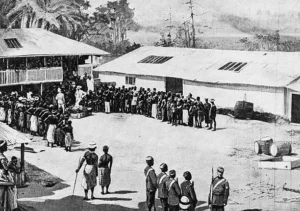
For centuries, Mozambique remained a Portuguese colony. During this period, the economy relied heavily on agriculture, mining, and labor systems that often exploited the local population.
The Struggle for Independence
In the mid-20th century, nationalist movements began demanding freedom from colonial rule. The most prominent group was the FRELIMO, which launched an armed struggle against Portugal in the 1960s.
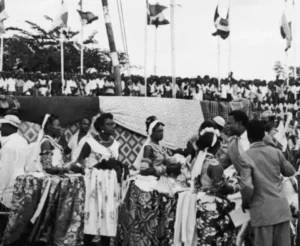
After years of conflict and political change in Portugal, Mozambique finally gained independence in 1975.
Civil War and National Reconstruction
Soon after independence, Mozambique was plunged into a long and devastating civil war between government forces and rebel groups. The conflict lasted from 1977 until 1992 and caused significant economic and social damage.
Peace agreements in the early 1990s allowed the country to begin rebuilding its institutions and economy.
Mozambique in the Modern Era
Today, Mozambique continues to develop while facing challenges such as poverty, natural disasters, and economic inequality. Despite these obstacles, the country remains rich in culture, natural resources, and coastal beauty, making it an increasingly important nation in Southern Africa.