Namibia is a southern African nation known for its vast deserts, rich wildlife, and diverse cultural heritage. Although it is one of the most sparsely populated countries in the world, Namibia has a deep and complex history shaped by indigenous communities, colonial powers, and a long struggle for independence.
Early Indigenous Communities
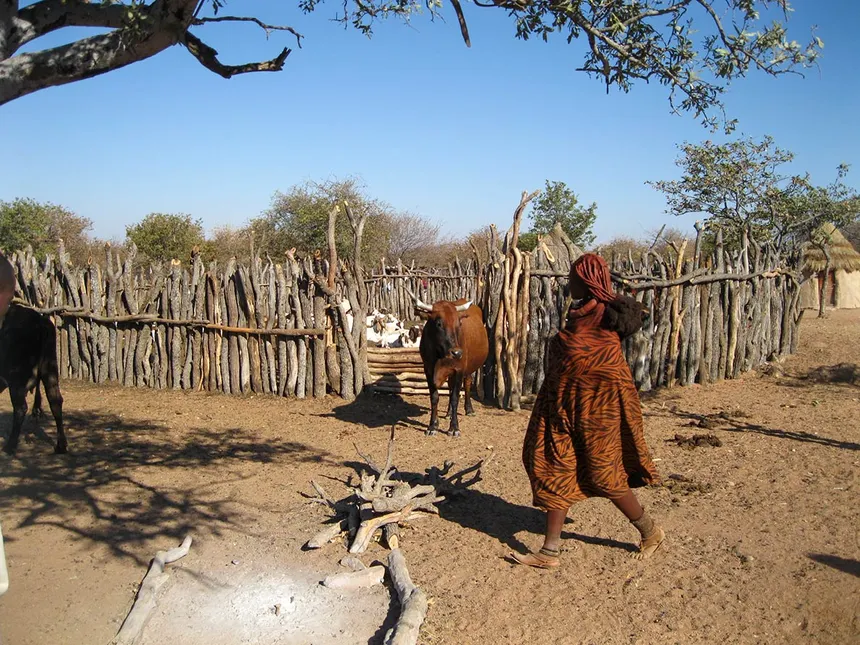
Long before European explorers arrived, Namibia was inhabited by indigenous groups such as the San, Damara, Nama, and Herero peoples. These communities lived in the region for thousands of years, adapting to the harsh environment of the Namib Desert and surrounding landscapes.
The San people, in particular, are considered among the oldest continuous cultures in the world, known for their hunter-gatherer lifestyle and ancient rock art.
Also See : Unveiling the Sands of Time The Enigmatic History of Mauritania
German Colonial Rule
In the late 19th century, Namibia became a colony of Germany known as German South West Africa. German settlers established control over the land, leading to tensions and conflict with indigenous populations.
One of the darkest chapters in Namibian history occurred between 1904 and 1908 during the Herero and Namaqua Genocide, when thousands of Herero and Nama people were killed during German military campaigns.
South African Administration
After Germany’s defeat in World War I, Namibia came under the administration of South Africa through a mandate from the League of Nations. South Africa imposed many of its apartheid policies on the territory, which led to international criticism and resistance from local groups.
The Struggle for Independence
In the 1960s, the nationalist movement SWAPO began fighting for independence. The conflict lasted several decades and was supported by international diplomatic efforts.
Finally, Namibia achieved independence in 1990, marking the end of colonial and foreign rule.
Modern Namibia
Since independence, Namibia has developed into a stable democratic nation with a growing economy based on mining, tourism, and agriculture. Its breathtaking landscapes, including the famous Namib Desert, make it one of Africa’s most unique and beautiful destinations.