Niger is a landlocked country in West Africa known for its vast Sahara landscapes and deep historical roots. Although modern Niger became an independent nation in the 20th century, the region has been home to powerful civilizations and important trade routes for centuries.
Early Civilizations and Trans-Saharan Trade
For thousands of years, the territory of Niger was inhabited by various ethnic groups including the Tuareg, Hausa, and Songhai peoples. Its strategic location made it an important hub for trans-Saharan trade, connecting North Africa with sub-Saharan regions.
Merchants transported valuable goods such as gold, salt, textiles, and spices across the desert using camel caravans.
Also See : Unveiling the Sands of Time The Enigmatic History of Mauritania
Influence of Regional Empires
Several powerful African empires controlled parts of the Niger region throughout history. One of the most influential was the Songhai Empire, which dominated West African trade and culture during the 15th and 16th centuries.
Islam also spread throughout the region during this time, shaping religious practices and education among many communities.
French Colonial Rule
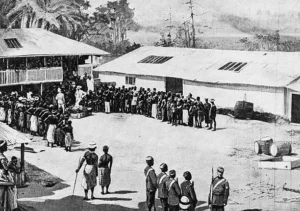
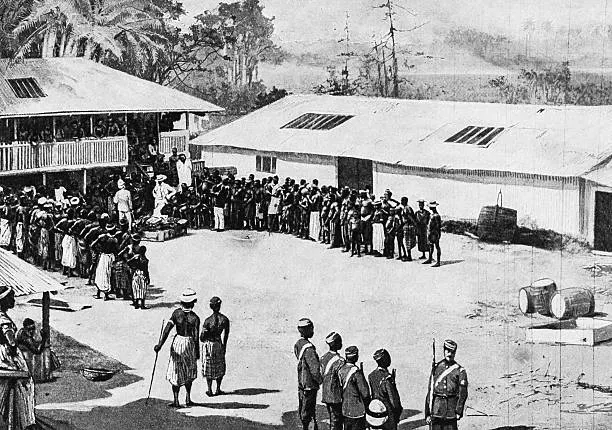
In the late 19th century, European colonial expansion reached the region. Niger became part of the colonial empire of France and was incorporated into French West Africa.
During this period, colonial authorities introduced new administrative systems and economic structures, often focusing on resource extraction and agriculture.
Independence and Nation Building
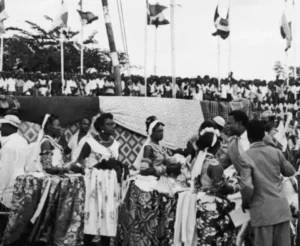
Niger gained independence from France in 1960. The early years of independence were marked by efforts to build national institutions and improve economic development.
However, like many post-colonial African states, Niger faced challenges such as political instability, military coups, and economic hardship.
Niger Today
Today, Niger continues to work toward economic growth and political stability. The country is rich in natural resources, including uranium, and plays an important role in the regional dynamics of West Africa.
Despite environmental challenges such as desertification, Niger remains culturally diverse with strong traditions rooted in its historic communities.