Nigeria is the most populous country in Africa and one of the continent’s most historically influential nations. Located in West Africa along the Gulf of Guinea, Nigeria’s history includes ancient kingdoms, colonial rule, and modern political development.
Ancient Kingdoms and Civilizations
Long before colonial influence, the region that is now Nigeria was home to powerful kingdoms and sophisticated societies. One of the earliest known civilizations was the Nok culture, famous for its unique terracotta sculptures.
Later, major kingdoms such as the Benin Kingdom and the Oyo Empire became influential political and economic powers in West Africa.
Also See : Unveiling the Sands of Time The Enigmatic History of Mauritania
Trade and Cultural Development
Nigeria’s location made it an important center for trade routes connecting West Africa with North Africa and the wider world. Islamic influence spread through northern regions, while southern areas developed complex political systems and artistic traditions.
Cities such as Kano and Ibadan became significant centers of commerce and culture.
British Colonial Rule
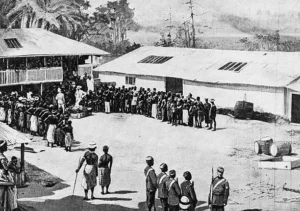
In the late 19th century, Britain gradually took control of the region through treaties and military campaigns. By 1914, the British combined the northern and southern protectorates to form the colony of Nigeria under the rule of the United Kingdom.
Colonial administration introduced new political structures and economic systems but also created regional divisions that later influenced national politics.
Independence and Civil War
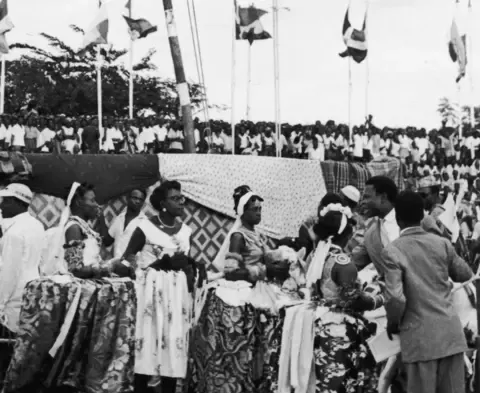
Nigeria gained independence in 1960. However, tensions among ethnic and regional groups eventually led to the Nigerian Civil War (1967–1970), also known as the Biafran War.
The conflict had major humanitarian consequences but ended with Nigeria remaining a unified country.
Nigeria in the Modern Era
Today, Nigeria is a federal republic and a major economic and cultural force in Africa. With vast oil resources, a large population, and a vibrant cultural scene, the country plays an important role in global politics, entertainment, and business.