Early Settlements and Tribal Life
Qatar’s history dates back thousands of years, with early settlements formed by nomadic Arab tribes. The region’s economy was traditionally based on fishing and pearl diving, which became a major source of income before the discovery of oil.
Ottoman Rule and Regional Influence
During the 19th century, Qatar fell under the influence of the Ottoman Empire. Although control was limited, it played a role in shaping the region’s political landscape and relations with neighboring Gulf territories.
Also See : The History of Palau From Ancient Island Culture to Independent Pacific Nation
British Protectorate Period
In the early 20th century, Qatar became a British protectorate, providing stability and protection in exchange for influence over foreign affairs. This period lasted until the mid-20th century and helped define Qatar’s modern borders and governance system.
Independence and Economic Transformation
Qatar gained independence in 1971 under the leadership of Ahmad bin Ali Al Thani. The discovery of vast oil and natural gas reserves transformed the country into one of the wealthiest nations in the world, rapidly modernizing its infrastructure and economy.
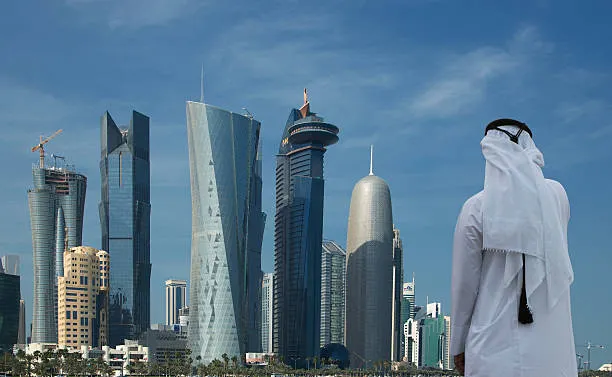
Modern Qatar
Today, Qatar is a global energy leader and an influential player in international politics. It is also known for hosting major global events such as the FIFA World Cup 2022, showcasing its rapid development and global presence.